
Reviewed · WALKING TOURS
Walking tour in Sucre: History, Culture & Amazing Views
Sucre’s oldest streets tell their stories in layers: colonial courtyards, an old mayor’s office, Indigenous art, mountain views, and tunnels beneath the city. This tour also uses local transport, so you see more than the neat central grid. Guides such as Carla, Henry, Claire, Manu, and Bryan bring their own knowledge of Sucre and Bolivia to the walk.
I like the small group of up to 10 people, which gives you a better chance to ask questions and keep a sensible pace. I also like the mix of sights: the Recoleta viewpoint and colonial tower provide fine views, while Gato Negro and the Museo de Arte Indígena add local character. The main drawback is that the route is not suited to people with mobility impairments, and tunnels are optional but require care.
Key points
- A local-bus ride expands the tour beyond central Sucre, giving you a wider look at the city.
- Guereo Mansion includes the old mayor’s office and gardens, with the longest stop on the route.
- Gato Negro marks the area where Sucre began, linking the walk to the city’s earliest chapter.
- Recoleta offers mountain views, while the old colonial tower provides a final look across Sucre.
- The Museo de Arte Indígena adds living local culture, not just colonial architecture.
- Guides adjust the pace when needed, and the tour runs in English or Spanish.
Why this three-hour walk works well in Sucre
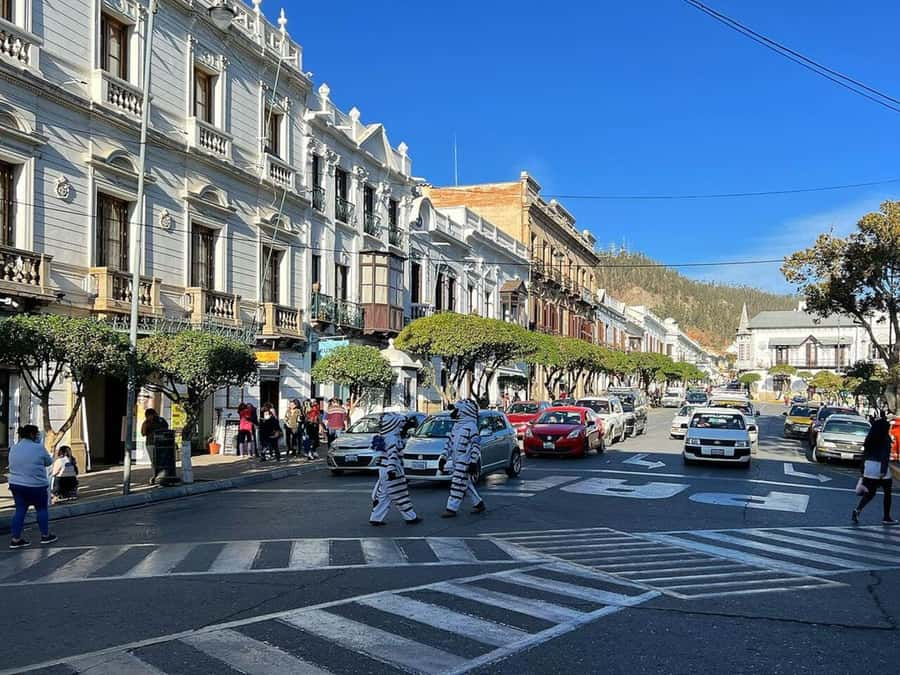
Sucre rewards a slow start. Its white colonial buildings and old streets can look polished at first glance, but the city becomes more interesting when someone explains how its public squares, religious buildings, university, Indigenous communities, and political past connect.
This tour gives you that framework in three hours. You walk through the oldest part of the city, use public transport for part of the route, and finish with views from an old colonial tower. That combination matters. A purely central walking tour can leave you with handsome buildings but little sense of how Sucre extends beyond its postcard core.
The group is limited to 10 people, and the guide speaks English or Spanish. I would choose this experience early in a Sucre stay, since it gives you useful orientation before you explore alone. You can then return to the places that catch your attention, perhaps with more time for photographs or a closer look.
The tour takes place rain or shine. Bring comfortable shoes, and bring a small flashlight if you want to enter the colonial tunnels. A phone light is acceptable, but a real flashlight is more practical if the passage is dark.
More historical sites near Bolivia:
- Walking tour – A journey through the History of Santa Cruz
★ 4.8 · 61 reviews - Sucre: Free Walking tour (History, culture and traditions)
★ 4.8 · 47 reviews - Sucre: A Day Spent Exploring the Historic Area of the City
★ 4.8 · 4 reviews
Starting at Cochabamba Square
The meeting point is Cochabamba Square, on Nicolas Ortiz Street near Azurduy Street, in front of San Felipe de Neri Church. This is a clear central reference point, but arrive with enough time to locate the church and guide before the three-hour schedule begins.
The route starts with the city itself rather than a long introduction in a classroom. That is a good choice in Sucre. Streets, façades, plazas, and courtyards make more sense when your guide explains them while you are standing beside them.
Public transport is included. The supplied schedule lists a public-transport segment, though the exact duration is not clear, so you should confirm the departure time when booking. The important point is practical: you will not spend the entire tour inside the central historic area. A local bus ride adds a small slice of ordinary city life and helps connect the old center with the wider city.
Guereo Mansion and its old mayor’s office
Guereo Mansion receives the longest visit, about 45 minutes. You can expect a photo stop, a guided visit, and time to walk through the property.
The key attraction is not just the architecture. You visit the old office of the Mayor of Sucre and see the gardens, which give the stop a more personal, lived-in feel than a quick façade viewing. Your guide can connect the building to municipal life and the city’s changing past.
I would pay attention to how the mansion is arranged. Courtyards and gardens are central to the character of old Sucre, offering an open-air pause between enclosed rooms and narrow streets. The stop also gives you time to ask questions, something that can be difficult during a fast-moving city walk.
Because this is the longest stop, it anchors the tour. If you prefer architecture and civic history, you will probably find this part especially useful. If you mainly want panoramic views, the later stops will be more important to you.
Gato Negro and Sucre’s beginnings
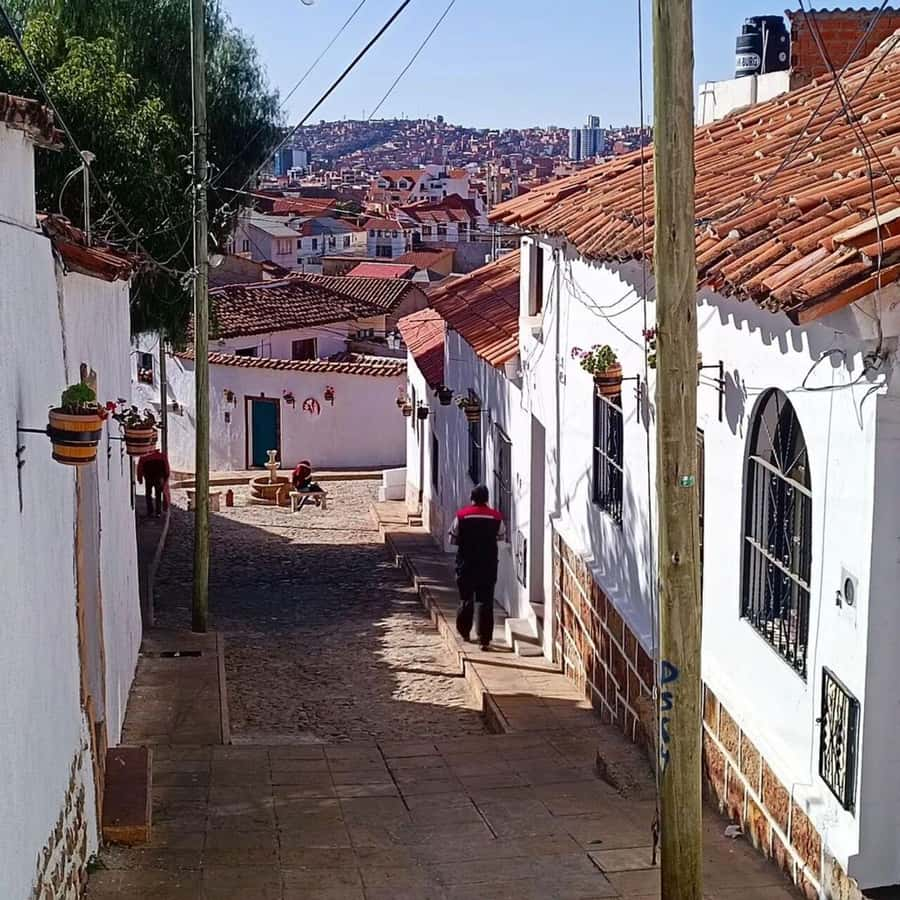
The next stop is Gato Negro, with about 20 minutes for a guided visit. This is described as the street where the city was born, so the value here is historical context rather than a long museum visit.
A place like this can be easy to overlook if you walk through Sucre alone. The street may not demand much time visually, but it gives your guide a chance to explain the earliest development of the city and how the old center took shape.
The stop is brief, which keeps the three-hour route moving. You should not expect a large attraction with a long indoor visit. Instead, think of Gato Negro as a compact piece of the city’s origin story, placed within a broader walk through colonial Sucre.
More walking tours in Bolivia:
- La Paz and El Alto: Cable Car Rides and Walking Tour
★ 4.8 · 790 reviews - La Paz Half-Day Walking Tour
★ 4.8 · 591 reviews - Walking city tour La Paz
★ 3.9 · 25 reviews - Walking tour in Cochabamba not your average
★ 5.0 · 21 reviews
Recoleta viewpoint and mountain views
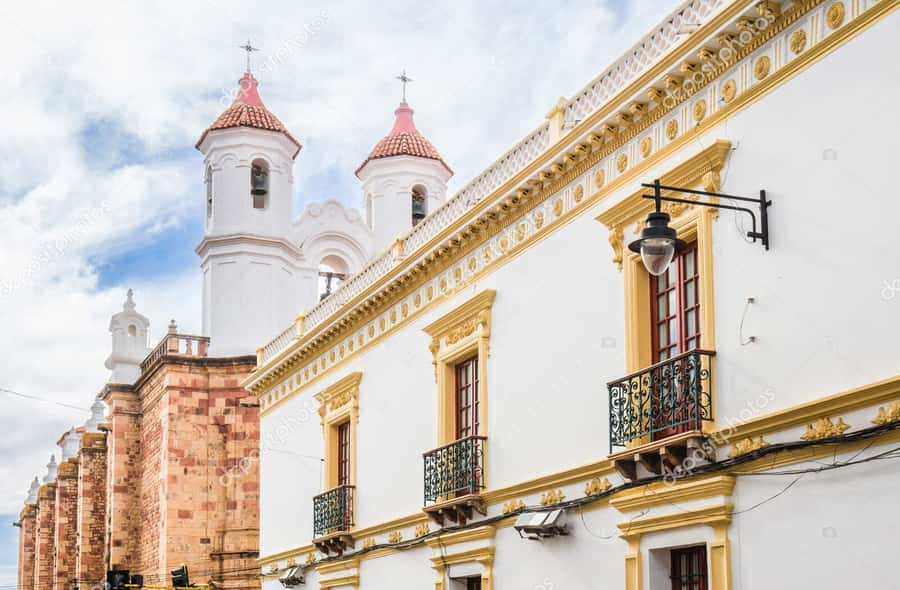
The Mirador de La Recoleta is one of the tour’s main scenic moments. You spend about 20 minutes here with the guide, taking in views of Sucre and the surrounding mountains.
This is where the tour steps back from street-level detail. After looking at old offices, gardens, and historic streets, you get a sense of the city’s full setting. The viewpoint also helps you understand Sucre’s shape, even if you do not know every neighborhood below.
Bring your camera, but do not rush the explanation. The views are the obvious draw, yet the guide can help place the city’s buildings and neighborhoods in context. The stop is short, so you may want to use the first few minutes for the view and the rest for questions.
There may be a climb or uneven walking connected with reaching viewpoints and old sites. The tour is specifically not suitable for people with mobility impairments, so consider your comfort with walking and changing surfaces before booking.
Indigenous art near Sucre
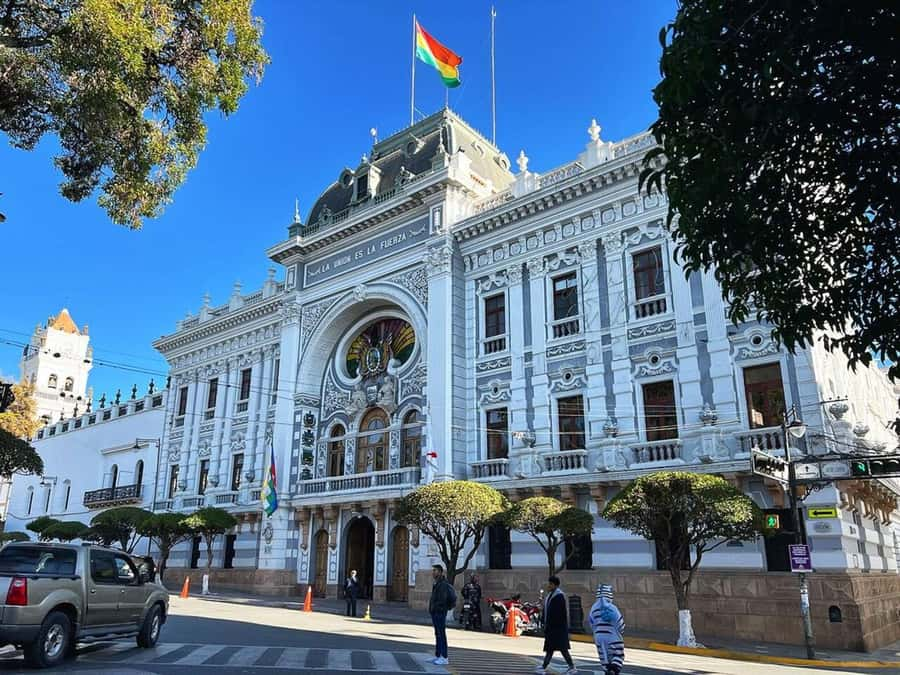
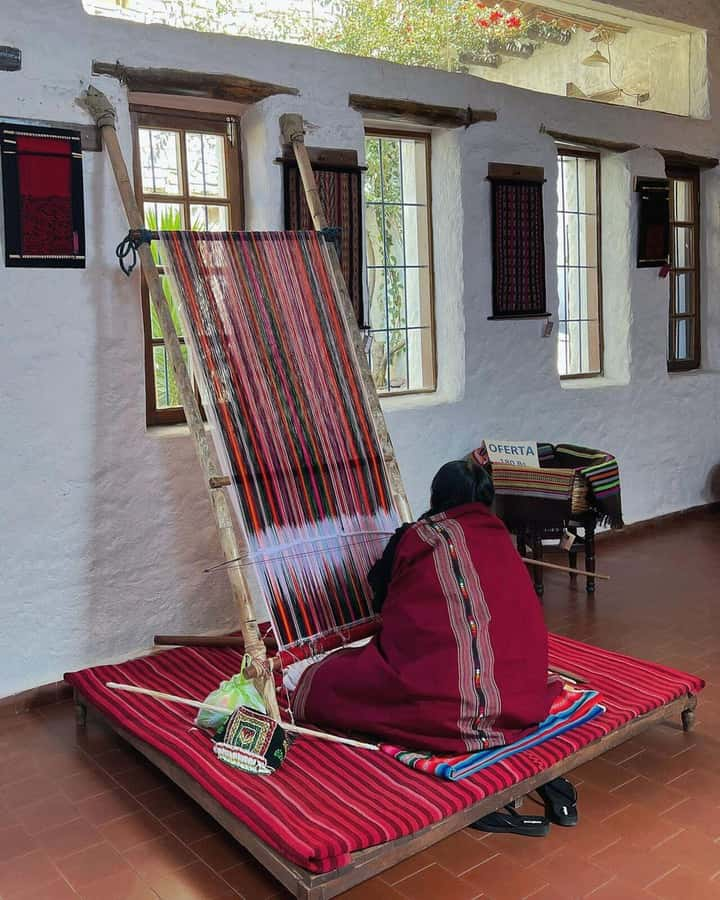
The Museo de Arte Indígena receives another 20-minute guided visit. This changes the tone of the tour. Instead of focusing mainly on colonial buildings and civic history, you look at Indigenous art from communities living near Sucre.
That balance is important. Sucre’s story is not only about colonial streets, church buildings, and old officials. Indigenous traditions remain part of the cultural life around the city, and this museum gives those traditions space within the tour.
Twenty minutes is enough for an introduction, but not for an exhaustive museum visit. You will likely get a focused look at selected art and an explanation of its cultural setting. If this subject interests you, note the pieces that catch your eye and consider asking the guide what else you can see during your time in Sucre.
This stop also makes the tour more useful for people who want culture rather than architecture alone. The experience connects what you see in the museum with the communities and traditions around Sucre.
Plaza de Armas 25 de Mayo
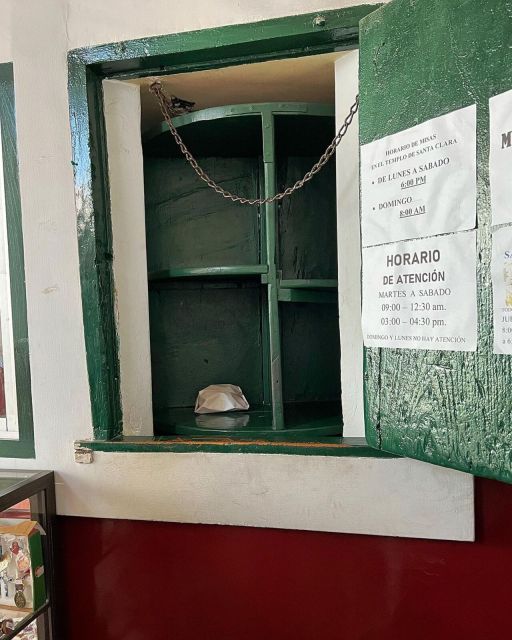
The main square, Plaza de Armas 25 de Mayo, gets about 30 minutes. This is a good place for your guide to pull together the city’s history, culture, and political life.
A central square is often where a city’s main stories meet. Here, you can expect an explanation of Sucre’s role in Bolivia’s past and an introduction to its public life. The guide’s approach matters at this stop, since the value comes from the connections between the buildings, the square, and national history.
The half-hour timing gives you more than a quick photograph. You have enough time to take in the setting, listen, and ask questions. It is also a useful pause after the viewpoint and museum.
Several guides have been praised for explaining both Sucre and Bolivia more broadly. Carla, in particular, is described as covering the city’s history, culture, and political setting. Manu also used the tour to explain the history and culture of the wider country. That broader focus suits the main square, where local and national stories overlap.
University courtyards at USFX
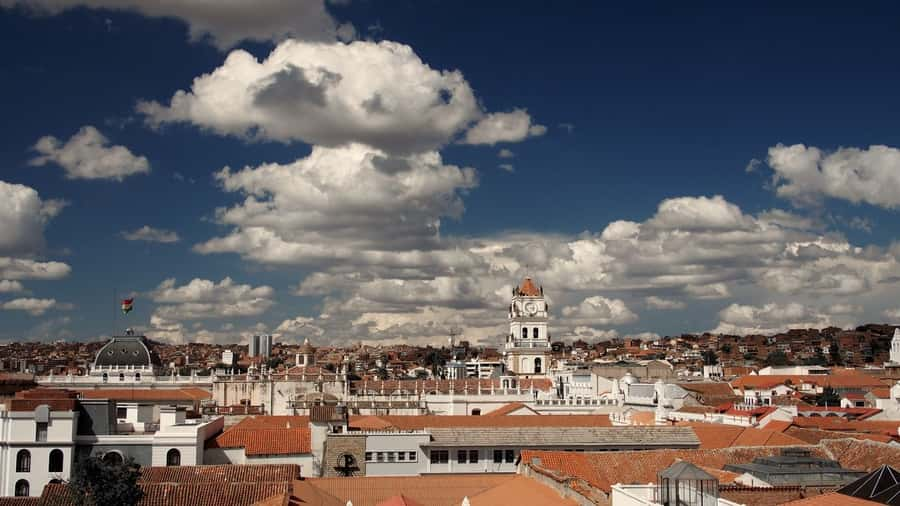
The tour then visits the courtyards of Universidad Mayor, Real y Pontificia de San Francisco Xavier de Chuquisaca, usually shortened to USFX. You spend about 20 minutes with the guide.
The university gives the walk another useful angle. You are not just seeing old walls. You are seeing a place tied to education and public life in Sucre. Courtyards can be quieter and more intimate than major squares, and they let you notice architectural details that are easy to miss from the street.
This stop is best for visitors who enjoy institutions and the way they shape a city. Your guide can explain why the university matters to Sucre and Bolivia, though the exact emphasis may vary by guide and by what is open on the day.
Access can change during holidays, weekends, or unexpected city events. If the university or another site cannot be visited, the operator says a substitute will be provided. That flexibility is useful, but it also means the precise route is not fixed.
The old colonial tower and optional tunnels
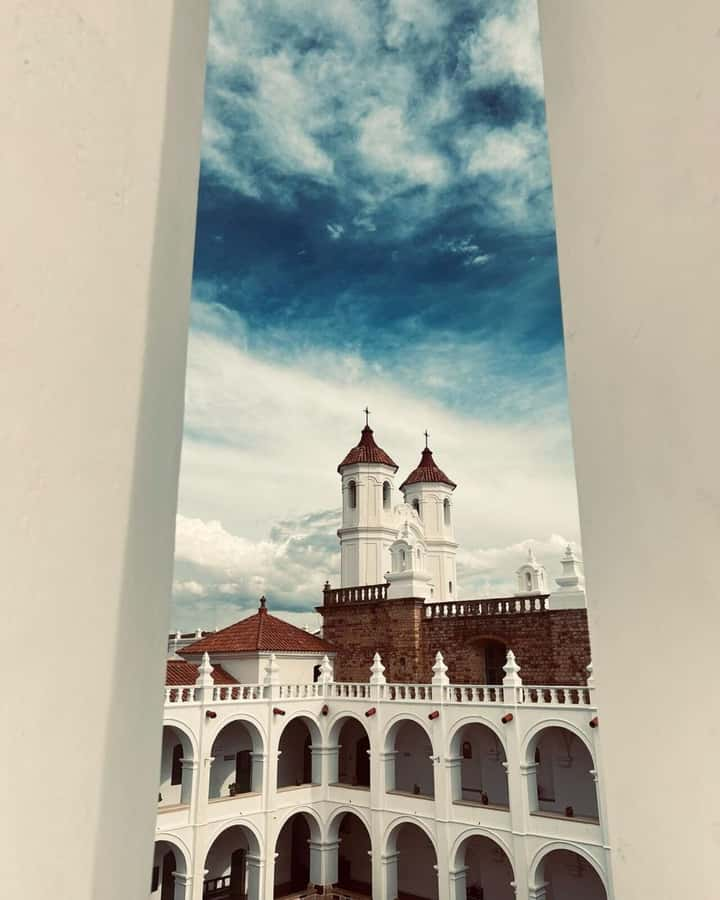
The tour finishes at Suipacha 202, where you explore an old colonial tower and take in another view of Sucre. Ending high above the streets gives the walk a satisfying visual finish.
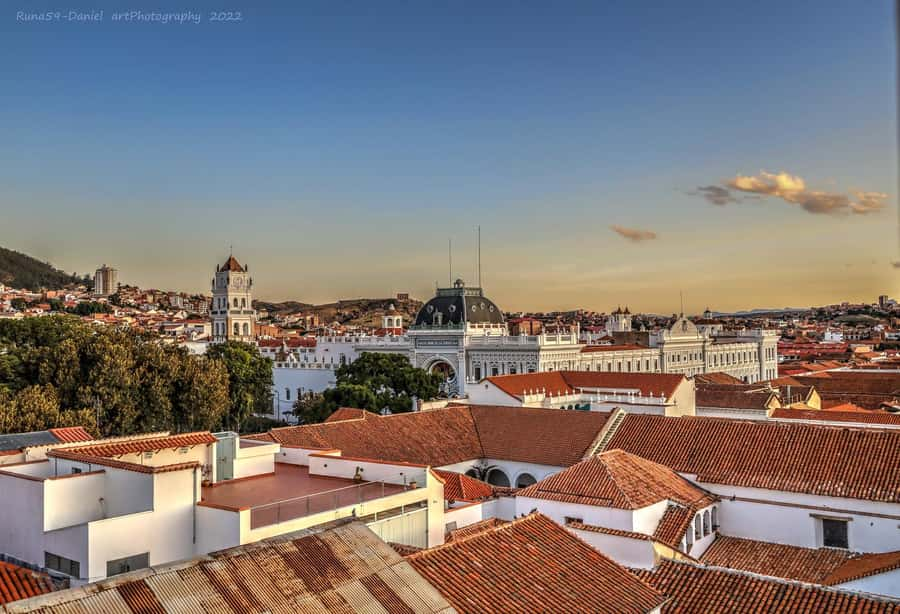
The tower offers a different perspective from Recoleta. At Recoleta, you look out across the city and mountains from a broad viewpoint. From the colonial tower, you get a closer look at Sucre’s rooftops and old center. The two views complement each other.
Colonial tunnels are visited during the tour, but entering them is optional. Bring a small flashlight if you want to go inside, or use your phone light. Since the route takes place rain or shine, a wet day could make old passageways and streets less comfortable, so wear shoes with a secure grip.
The optional tunnel access is a nice feature for curious visitors, but do not feel obliged to enter. You still receive the main walking tour without going underground. Anyone uneasy with enclosed or dark spaces can skip this part.
What the guide adds to the experience
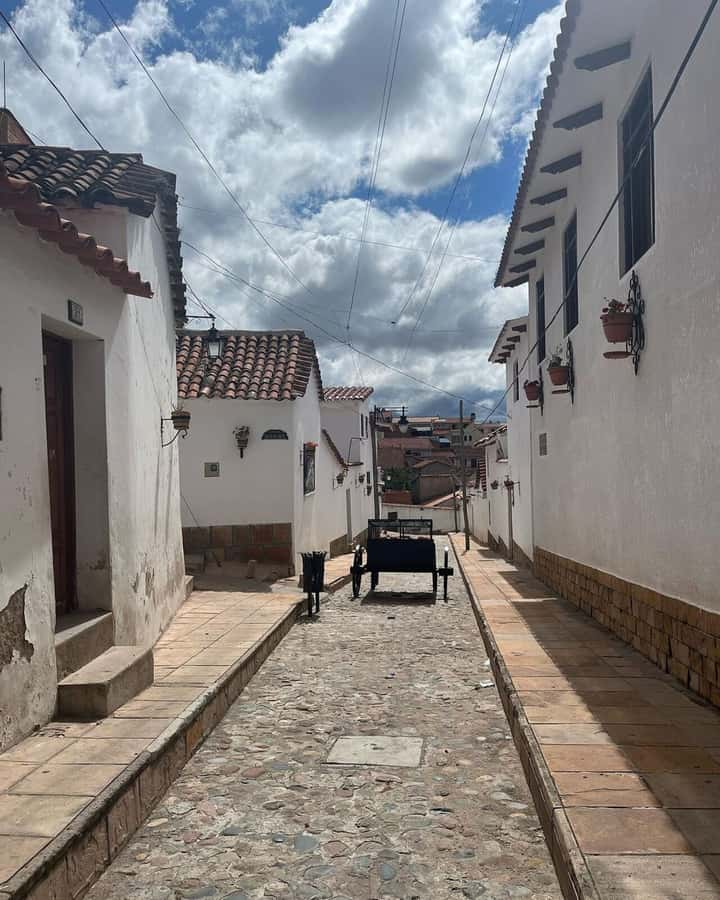
The guide is the main reason to book this instead of following a map. The route includes several places that could seem disconnected without explanation, including Gato Negro, the university, Indigenous art, the main square, and the two viewpoints.
The available guides include Carla, Henry, Claire, Manu, and Bryan. Carla has led several of the reported departures and is described as enthusiastic, attentive, and flexible. One useful detail is her willingness to slow the pace for less active members of a group. That matters on a route with several stops and some potentially uneven walking.
Henry is associated with a special trip through the city, while Claire is described as friendly and well informed. Manu led a very small departure that effectively became a private tour, and Bryan was praised for his explanations of Sucre. The guide assigned to your date may differ, but the language options remain English and Spanish.
The small-group format helps. With no more than 10 participants, you can ask about a building, a political event, or a piece of art without needing to shout across a crowd. Group size may also affect how personal the experience feels. If only two people book, the tour can function almost like a private outing, though that cannot be guaranteed.
Is $13 good value for three hours?
At $13 per person, this is a strong value if you want an introduction to Sucre rather than a single monument visit. The price includes transportation and a specialized bilingual guide, along with access to a route that covers views, colonial buildings, Indigenous art, a university, a main square, and an old tower.
The value comes from variety. You are not paying only for a walk around the central plaza. The local-bus segment extends the outing, and the guide supplies context at places you might otherwise pass without understanding.
The three-hour limit also keeps the price realistic. You will not have unlimited time at every site, and the museum and viewpoints receive about 20 minutes each. If you want a slow museum visit or lengthy photography stops, you may prefer to explore those places again on your own.
You can cancel up to 24 hours ahead for a full refund, and you can reserve while paying later. Those terms are useful if your Bolivia plans may shift, but the main value decision is simple: this suits someone who wants several important pieces of Sucre in one well-organized morning or afternoon.
Who should book this Sucre walk?
I would recommend it to first-time visitors who want a clear introduction to the city, especially if you enjoy history, architecture, Indigenous culture, and city views in equal measure.
It is also a good fit if you have only a short stay in Sucre. Three hours covers a lot, and the guide can help you decide what deserves a longer visit later.
You should think twice if you have mobility limitations, dislike walking on older streets, or want a relaxed tour with long stops at just one or two sites. The route moves through several locations, includes public transport, and runs in all weather.
Wear comfortable shoes. Bring a flashlight for optional tunnels, and keep your schedule flexible because holidays, weekends, and unexpected events can change the order or replace a stop.
FAQ
Where does the tour start?
The tour starts at Cochabamba Square on Nicolas Ortiz Street, near Azurduy Street, in front of San Felipe de Neri Church.
How long does the tour last?
The walking tour lasts three hours.
What languages are available?
The live guide speaks English or Spanish.
How large is the group?
The tour is limited to 10 participants.
Is transportation included?
Yes. Transportation is included, and the route uses public transport for part of the experience.
Do I need a flashlight?
Bring a small flashlight if you want to enter the colonial tunnels. You can also use your cellphone’s light. Entering the tunnels is optional.
Is the tour suitable for people with mobility impairments?
No. The experience is listed as unsuitable for people with mobility impairments.
Should you book it?
Book this tour if you want a broad, guided introduction to Sucre for a modest price. You will see colonial places, Indigenous art, university courtyards, city viewpoints, and a section beyond the central streets, all within three hours.
The best reason to choose it is the mix of local context and practical sightseeing. Guides such as Carla and Manu have helped connect Sucre’s buildings and traditions to the wider story of Bolivia, while the small group allows room for questions. Skip it if you need an accessible route or want to spend an entire morning at one museum or monument. For most active first-time visitors, it is a sensible way to get your bearings and see why Sucre rewards looking beyond its white façades.
Just added around Bolivia
- Uyuni tour express from Sucre by bus (round trip)★ 4.2 · 4 reviews
- Uyuni: Classic Uyuni Salt Flats Tour + Hotel Pickup★ 3.0 · 4 reviews
- Uyuni: Salar de Uyuni Traditional Tour+Sunset Tour★ 4.8 · 3 reviews
- UYUNI SALT FLAT: SUNRISE & STARLIGHT EXPERIENCE★ 3.1 · 3 reviews
- UYUNI SALT FLAT: SUNSET & STARLIGHT EXPERIENCE★ 5.0 · 3 reviews
- Uyuni: 3-Days Salt Flats and Desert Adventure Tour with Food★ 3.8 · 4 reviews
- Uyuni: Full-day tour, Salt flats and Sunset experience★ 4.8 · 5 reviews
- Uyuni: Salar de Uyuni and San Pedro de Atacama 3-Day Tour★ 4.2 · 4 reviews
Walking Tours, compared.
La Paz and El Alto: Cable Car Rides and Walking Tour
Read our review →
Walking tour – A journey through the History of Santa Cruz
Read our review →
Free Walking tour (History, culture and traditions)
Read our review →
Browse the lists this tour appears in