
Reviewed · WALKING TOURS
Walking tour – A journey through the History of Santa Cruz
Santa Cruz de la Sierra’s story is bigger and more complicated than its palm-lined central plaza suggests. This 150-minute walk connects the city’s early beginnings, independence movement, political struggles, and rapid modern growth through several museums and historic sites.
I like the small group limit of four, which gives Paul, the guide, room to explain details and answer questions. I also like the useful local advice folded into the walk, including restaurant tips and suggestions for seeing more of the city’s art galleries. The main consideration is the pace and heat: you will spend most of the time on foot, and this tour is not suitable for wheelchair users or people with mobility impairments.
Key points about the Santa Cruz history walk
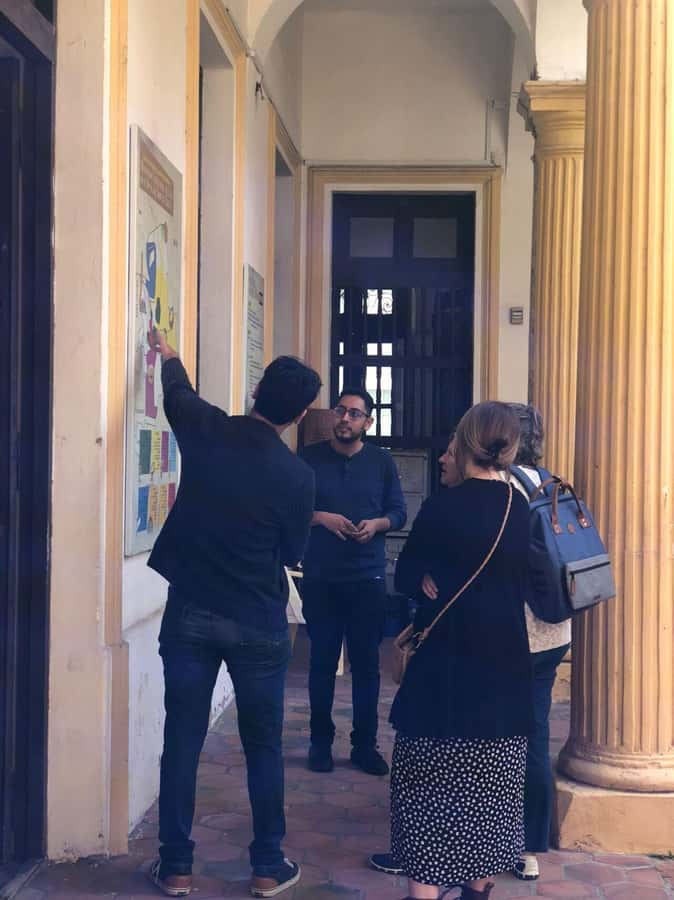
- Paul’s local perspective: He was born and raised in Santa Cruz de la Sierra and connects major events with personal knowledge of the city.
- Four museums and cultural sites: Your admissions cover the History Museum, Independence Museum, City Museum, and Melchor Pinto Cultural Center.
- A compact old-town route: The walk begins beside September 24 Square and returns to the Casa Municipal de Cultura Raúl Otero Reiche.
- History from early settlement to today: The tour covers prehistoric times, civic development, independence, political conflict, and modern Santa Cruz.
- Good value at $11: The price includes the guide and museum entry, not just a walk around the plaza.
- Best for active sightseers: Comfortable shoes, light clothing, water, a hat, and sunscreen will make a real difference.
Why Santa Cruz history is worth two and a half hours
Santa Cruz can be easy to underestimate. Many visitors use it as a gateway to other parts of Bolivia, yet the city has its own long story and a strong sense of regional identity. This walking tour helps you see how a once smaller settlement grew into Bolivia’s most important city by population and economic weight.
The tour does not treat history as a string of dates. It looks at the city’s civic, historical, and political struggles, then places those changes inside the streets and institutions of the old center. That matters because Santa Cruz’s modern role makes more sense when you understand how its earlier development unfolded.
I see this as a good first activity if you have limited time in the city. At $11 per person, the price is low for a guided walk that includes four admissions. You are paying for interpretation as much as entry tickets, and that is where the experience gets its value.
The current score is 4.8 from 61 ratings, and the strongest pattern is clear: Paul’s explanations are the heart of the experience. He guides in English or Spanish, and the small group format should make it easier for you to ask about both the official story and everyday life in Santa Cruz.
More historical sites near Bolivia:
- Walking tour in Sucre: History, Culture & Amazing Views
★ 4.8 · 79 reviews - Sucre: Free Walking tour (History, culture and traditions)
★ 4.8 · 47 reviews - Sucre: A Day Spent Exploring the Historic Area of the City
★ 4.8 · 4 reviews
Meeting at September 24 Square
You meet in front of the Casa Municipal de Cultura Raúl Otero Reiche, beside September 24 Square. This is a practical starting point because the square gives you an immediate sense of the city center and makes the meeting place fairly easy to identify.
The square is also the right place to begin a history lesson. Instead of starting with an isolated museum room, you first get a sense of how the historic center functions as a public gathering point. The guided walk around this area takes about 15 minutes.
The route may pass through market areas early on, which gives you a glimpse of daily city life before the more formal museum visits begin. If you prefer tours that mix history with street scenes, this is a useful part of the opening. If you want the historical explanation to begin at once, you should know that the first portion is more of a walk through the center than a long lecture.
Bring water from the start. Santa Cruz can feel hot, and the provided advice to wear light clothing, a hat, and sunscreen is practical rather than decorative.
Starting with the Museum of History
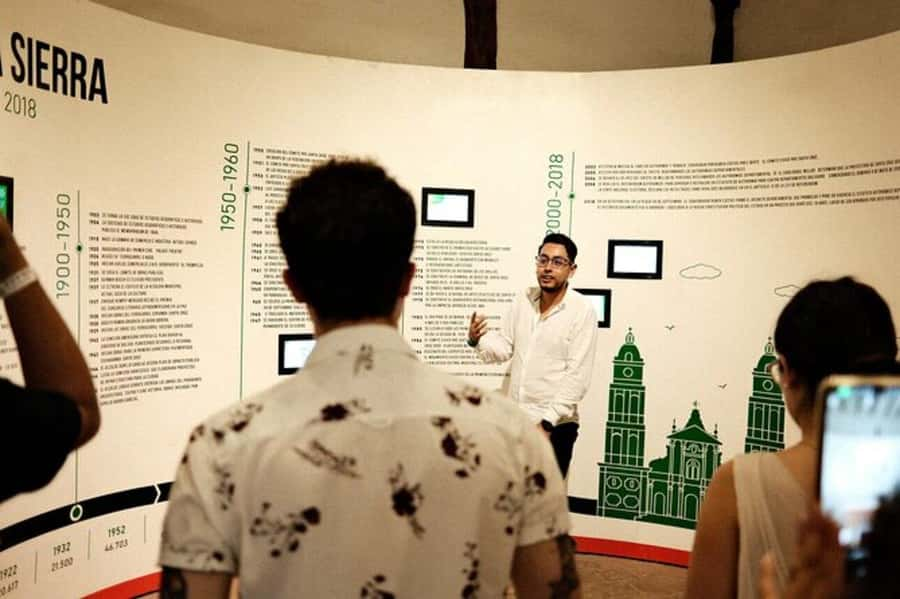
The first major stop is the Museo de Historia de la UAGRM, where you spend about 40 minutes with a guided visit. This is the point where the tour reaches back to the early moments of Santa Cruz and the area’s prehistoric past.
A 40-minute stop gives Paul time to establish the basic timeline without forcing you to race through every room. You can expect the focus to be on how the city developed, how earlier inhabitants fit into the story, and how Santa Cruz changed over time.
This museum is especially useful if you know little about the city before arriving. Santa Cruz is not simply a modern commercial center. Its present identity rests on several layers of settlement, civic growth, and political change, and the museum gives you a foundation for understanding the rest of the walk.
Photography is allowed, but flash photography is not permitted inside the museums. Keep your camera ready for exterior views, but switch off the flash before entering.
The cathedral and the city center
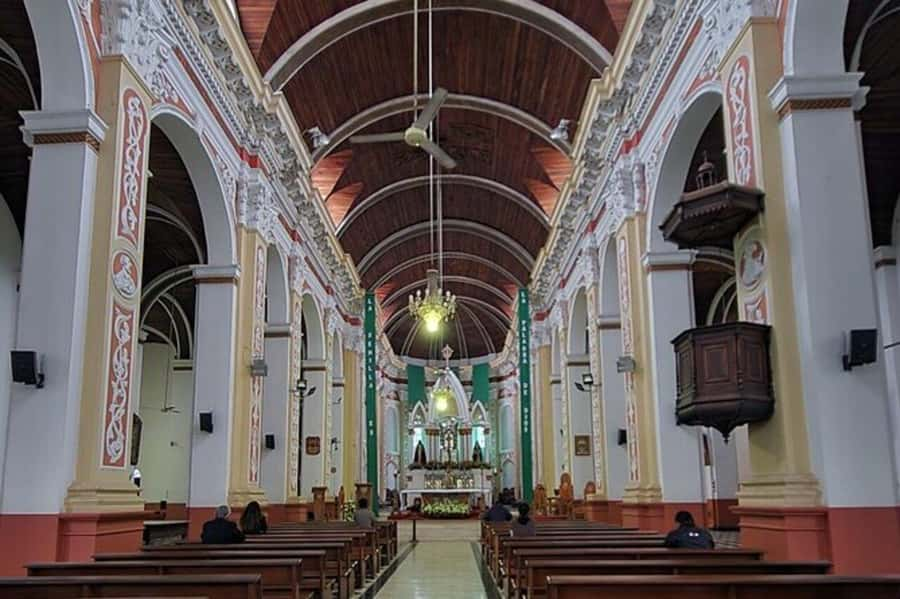
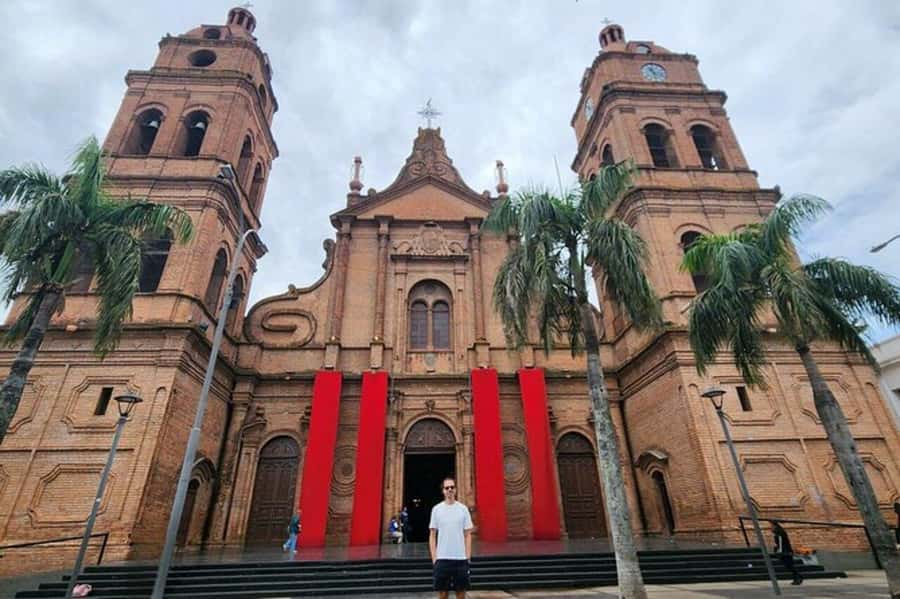
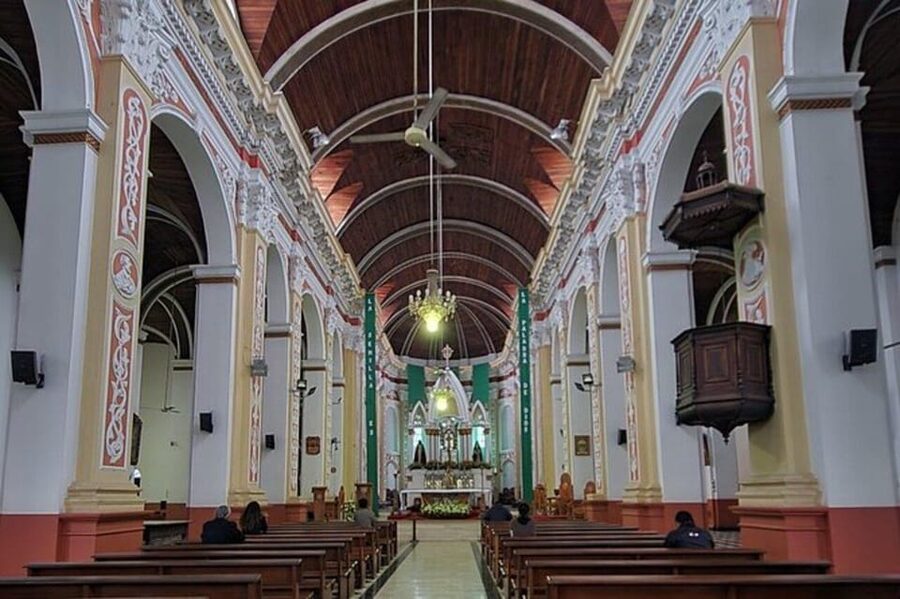
The Catedral Metropolitana Basílica Menor de San Lorenzo de Santa Cruz comes next, with about 20 minutes for a visit, guided explanation, and photographs. The cathedral adds a religious and architectural stop to a route otherwise focused heavily on museums and civic history.
You should think of this as a compact visit rather than a long architectural study. The tour gives you time to see the cathedral and understand its place in the center, but the schedule is designed to keep the group moving toward the next cultural sites.
The cathedral also helps break up the museum sequence. After the early history at the UAGRM museum, you move into a central landmark that remains part of the city’s public identity. This change of setting makes the two-and-a-half-hour route feel less repetitive.
A camera is useful here, though the same museum photography restriction may apply indoors. Follow the guide’s directions and avoid flash photography.
More walking tours in Bolivia:
- La Paz and El Alto: Cable Car Rides and Walking Tour
★ 4.8 · 790 reviews - La Paz Half-Day Walking Tour
★ 4.8 · 591 reviews - Walking city tour La Paz
★ 3.9 · 25 reviews - Walking tour in Cochabamba not your average
★ 5.0 · 21 reviews
Independence at the Museum of Santa Cruz
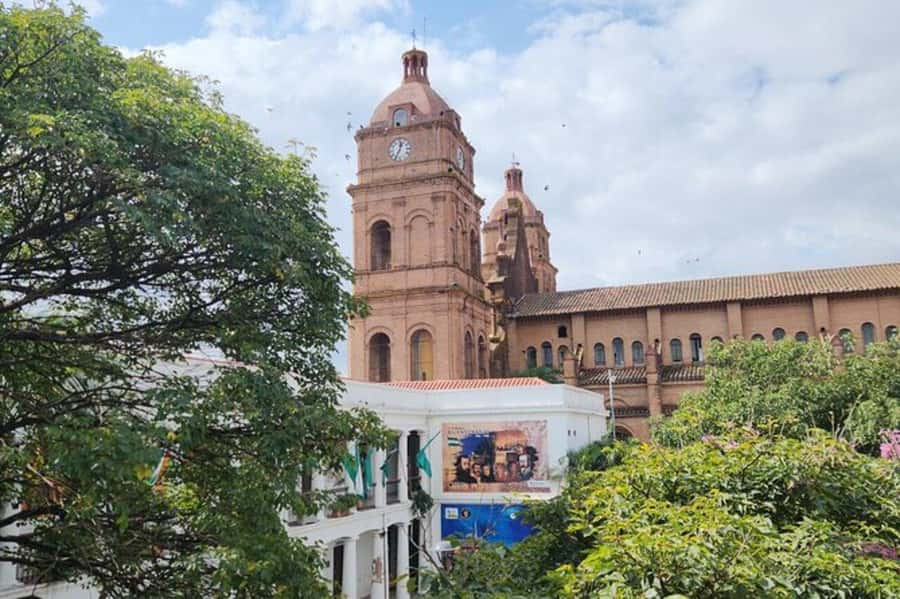
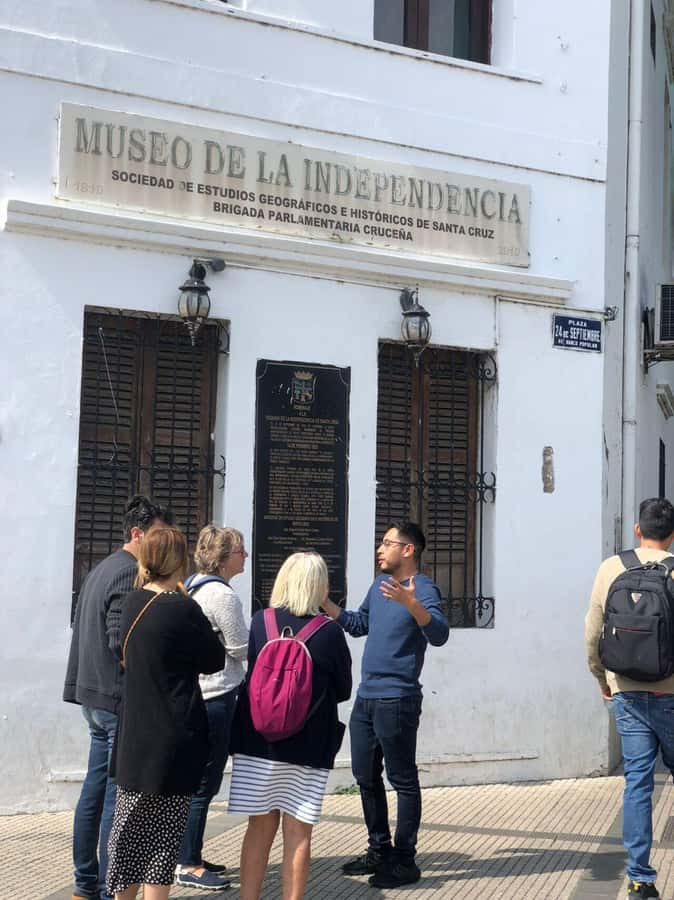
The Museum of Santa Cruz Independence is one of the key stops on the route. Its purpose is to place the city within the independence movement and explain why that period mattered locally.
National history can sometimes make local places disappear. A city-focused independence museum does the opposite. It gives you a closer look at Santa Cruz’s own role, civic disputes, and political changes rather than treating Bolivia’s independence as a distant event that happened elsewhere.
Paul’s role matters at this stop because the subject can quickly become a list of names and dates. The tour is intended to connect independence with the development of Santa Cruz itself, helping you see how political change shaped the city’s identity.
The exact timing at this stop is not separately listed, so expect the guide to manage the museum visit as part of the full 150-minute schedule. That is worth remembering if you like to read every display at length. This is a guided overview with context, not an unhurried museum afternoon.
Art, civic life, and the City Museum
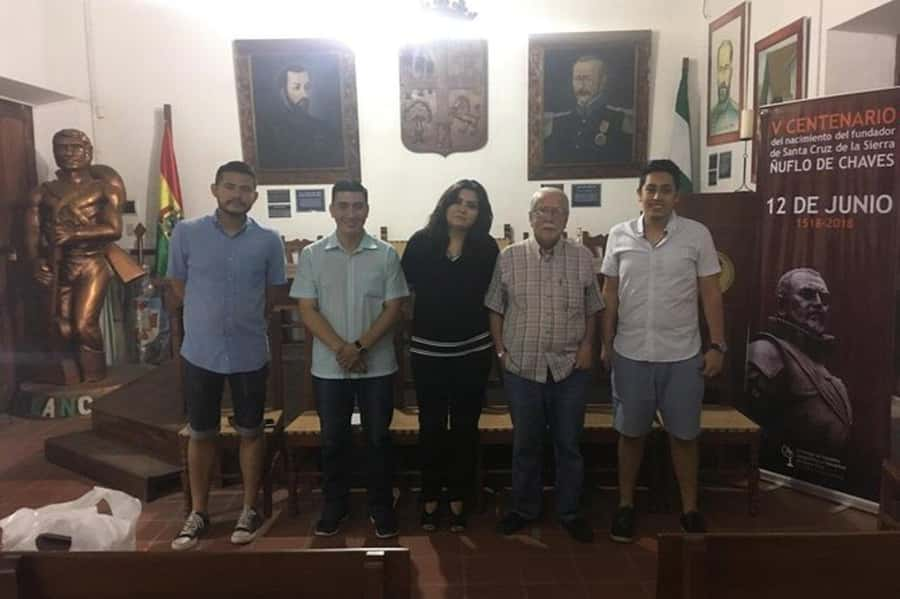
The City Museum adds another layer by combining Santa Cruz’s history with an art gallery. This is a useful stop for anyone who wants more than political history and monuments.
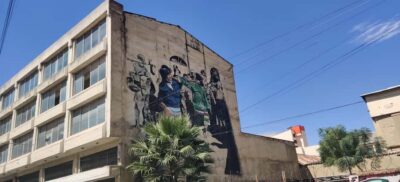
You can expect a shift in tone here. The earlier museums focus on origins and independence, while the City Museum brings the city’s cultural life into the picture. Art helps show how Santa Cruz represents itself and how local identity can be expressed outside official historical accounts.
The art gallery component is also a clue that you may want extra time in the center after the tour. One participant specifically noted that many art galleries are worth visiting. The walking tour cannot cover them all in 150 minutes, but it can help you understand where to continue exploring.
I like this stop because it prevents the tour from becoming too narrow. Santa Cruz is not only a political story. Its museums and galleries also show how the city sees its own character.
Finishing at Casa Cultural Melchor Pinto Parada
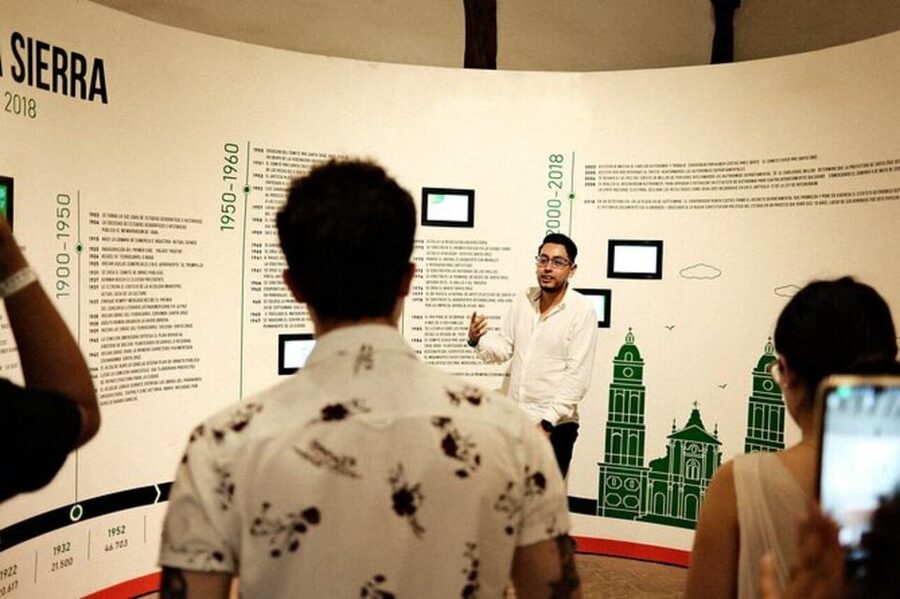
The final cultural stop is the Casa Cultural Melchor Pinto Parada, described as the 20th-century museum. You spend about 30 minutes here before returning to the Casa Municipal de Cultura.
This is a smart place to finish. Once you have covered early settlement, independence, and the city’s cultural institutions, the 20th century brings the story closer to the Santa Cruz you see today. It helps explain the city’s growth and the forces that made it so important within Bolivia.
The museum also gives Paul a chance to connect older events with modern life. That link is one of the main reasons to choose a guided tour instead of visiting the buildings alone. A museum can show you objects and dates, but a guide can explain why the material matters to the city around you.
The return to the starting point keeps the route simple. You do not need to arrange transportation between museums, and you finish where you began.
What Paul adds to the walk
Paul receives repeated praise for his command of Santa Cruz’s past and present. He was born and raised in the city, and he mixes formal history with memories of growing up there. That combination can make the city easier to understand because you hear both the broad civic story and a local point of view.
His English is described as very good, which is important if you are taking the tour in English. Spanish is also available. The tour is limited to four participants, so you should have a better chance to ask questions than on a large city walk.
I also like the practical advice Paul provides after the historical discussion. He has recommended traditional restaurants, and one participant used his suggestions to try local food including spicy tongue and lizard. Those dishes may not be part of the tour, and meals are not included, but the advice can help you turn a history walk into a fuller introduction to Santa Cruz.
There is one fair limitation. The tour is mainly historical and cultural, not a food walk. If you want tastings of street food, local drinks, or market specialties, you will need to arrange that separately. You might ask Paul for recommendations during or after the walk.
Is $11 a good price?
At $11, this is inexpensive for a 150-minute guided experience with several admissions included. You receive entry to the Museum of History, the Museum of Santa Cruz Independence, the City Museum, and Casa Cultural Melchor Pinto Parada. The guide is included as well.
The value is strongest if you would otherwise visit the museums without much context. Four admissions can quickly make a self-guided visit less attractive, especially when you add the time required to work out the order and location of each stop.
The price does not cover food, drinks, personal expenses, or transportation to and from your hotel. That is normal for a central walking tour, but you should plan for your own water and any meal afterward.
The tour is also a good fit for a short stay. You see a concentrated slice of the old town and finish in 150 minutes, leaving the rest of your day available. The tradeoff is that the schedule is fairly tight, so you should not expect long independent time at every museum.
Who should book this Santa Cruz tour?
I would recommend it to you if you want a clear introduction to Santa Cruz before exploring on your own. It suits first-time visitors, people with only a short stay, and anyone interested in the connection between local history and modern Bolivian life.
It is also a good choice if you prefer a small, conversational group. A maximum of four participants is a real advantage for asking questions, checking details, and getting suggestions for restaurants or galleries.
You should think twice if you have difficulty walking, use a wheelchair, or need an electric wheelchair. The activity is not suitable for people with mobility impairments, wheelchair users, or people over 80 years old. The route involves walking between sites, and the warm conditions can make the experience tiring.
Wear comfortable walking shoes and light clothing. Take a hat, sunscreen, and a water bottle. Those simple items will help you focus on the museums instead of the heat.
Should you book this history walk?
Book it if you want Santa Cruz explained rather than simply photographed. For $11, you get a compact route through the historical center, several museum admissions, an English or Spanish guide, and Paul’s local perspective on a city that many visitors only pass through.
Skip it if your priority is food tasting, extensive gallery time, or a slow museum visit. In that case, you may prefer to use the tour as a starting point and spend another day visiting galleries and trying local dishes independently.
For most active visitors with two and a half hours available, I think the tour is a smart introduction. It gives you enough background to understand why Santa Cruz matters, while leaving room for you to keep exploring after the group returns to the Casa Municipal de Cultura.
FAQ
How long does the Santa Cruz history tour last?
The walking tour lasts 150 minutes, or two and a half hours.
How much does the tour cost?
The price is $11 per person.
Where does the tour meet?
You meet in front of the Casa Municipal de Cultura Raúl Otero Reiche, beside September 24 Square.
Where does the tour finish?
The walk returns to the Casa Municipal de Cultura Raúl Otero Reiche, the starting location.
Which languages are available?
The tour is offered in English and Spanish.
How many people are in the group?
The group is limited to four participants.
Which museums are included?
Admission is included for the Museum of History, the Museum of Santa Cruz Independence, the City Museum, and Casa Cultural Melchor Pinto Parada.
Is the cathedral part of the tour?
Yes. The route includes a visit, guided tour, and photo stop at the Catedral Metropolitana Basílica Menor de San Lorenzo de Santa Cruz.
What should I bring?
Bring comfortable shoes, light clothing, a hat, sunscreen, a camera, and a water bottle.
Is photography allowed inside the museums?
Photography is allowed, but flash photography is not permitted inside the museums.
Just added around Bolivia
- Uyuni: Classic Uyuni Salt Flats Tour + Hotel Pickup★ 3.0 · 4 reviews
- Uyuni tour express from Sucre by bus (round trip)★ 4.2 · 4 reviews
- Uyuni: Salar de Uyuni Traditional Tour+Sunset Tour★ 4.8 · 3 reviews
- UYUNI SALT FLAT: SUNRISE & STARLIGHT EXPERIENCE★ 3.1 · 3 reviews
- UYUNI SALT FLAT: SUNSET & STARLIGHT EXPERIENCE★ 5.0 · 3 reviews
- Uyuni: 3-Days Salt Flats and Desert Adventure Tour with Food★ 3.8 · 4 reviews
- Uyuni: Full-day tour, Salt flats and Sunset experience★ 4.8 · 5 reviews
- Uyuni: Salar de Uyuni and San Pedro de Atacama 3-Day Tour★ 4.2 · 4 reviews
Walking Tours, compared.
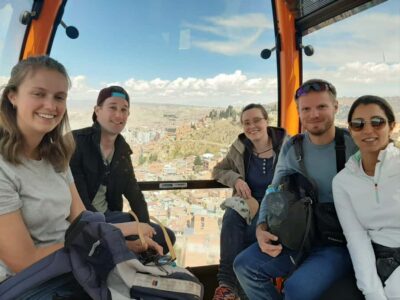
La Paz and El Alto: Cable Car Rides and Walking Tour
Read our review →
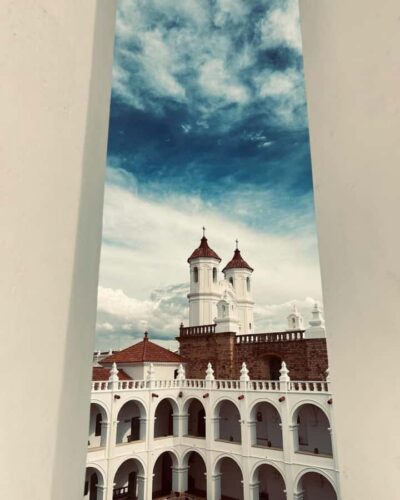
Walking tour in Sucre: History, Culture & Amazing Views
Read our review →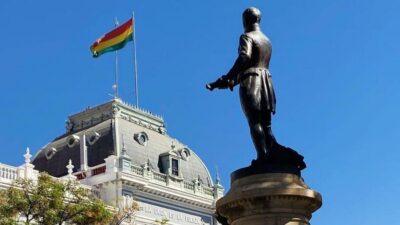
Free Walking tour (History, culture and traditions)
Read our review →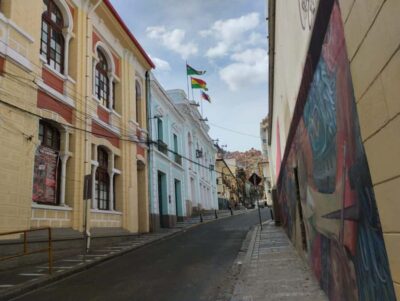
Browse the lists this tour appears in