
Reviewed · UYUNI TOURS
Uyuni: 3-Days Salt Flats and Desert Adventure Tour with Food
Uyuni’s real prize is not just the salt itself. It is the way the scenery keeps changing, from rusting locomotives and white salt crust to red water, flamingos, geysers, and volcanic peaks. I like the three-day route because it gives the desert time to reveal its best sights, and I like that you can finish in Chile instead of making the long drive back to Uyuni.
The trade-off is comfort. You spend long hours in a shared 4×4, sleep in basic accommodation, and face cold, high-altitude conditions. The second night is especially plain, and a serious booking mix-up was reported, so confirm your reservation with Salty Desert Aventours before arrival.
Key points to know before booking
- The tour goes far beyond the salt flats: Days two and three contain some of the most striking scenery, including Laguna Colorada, the Siloli Desert, geysers, hot springs, and Laguna Verde.
- Start at 10:30am in Uyuni: The first day includes the train cemetery, Colchani, the salt museum, the Dakar monument, and time on the flats.
- Chile can be the smarter finish: Continuing to San Pedro de Atacama avoids roughly eight hours of extra driving back toward Uyuni.
- Expect basic nights: One night is planned in a salt hotel and two nights in hostels, but the salt hotel may not be available during the rainy season.
- Bring water and warm clothing: You are advised to carry two liters per person, plus sun protection, a flashlight, and clothing for cold weather.
- The price includes useful basics: At $200 per person, you get 4×4 transport, meals, vegetarian options, lodging, and an oxygen tank, but entrance fees, sleeping bags, snacks, and drinks cost extra.
Why three days is better than a quick salt-flat visit
A short Uyuni outing can give you the famous white expanse, a few photographs, and little else. This three-day trip adds the high desert and border region, where the scenery becomes more varied and, in some ways, more impressive.
I would choose this length if you want more than the standard salt-flat photo stop. The salt flats are the headline, but the flamingo lakes, red lagoon, volcanic terrain, and Salvador Dali Desert give the trip its full character.
The route is also practical if you are heading to northern Chile. The tour can end in San Pedro de Atacama, and one person found that this saved about eight hours compared with looping back to Uyuni. If Chile is already part of your plan, that option gives the route a useful purpose instead of simply retracing your path.
More food tours in Uyuni:
- Bolivia: Bolivian Wine Tasting with Charcuterie Board
★ 5.0 · 10 reviews - La Paz: Street Food Walking Tour
★ 3.3 · 6 reviews - La Paz: Cable Car Ride Tour with Food Tasting
★ 4.2 · 5 reviews
Day one: trains, salt processing, and the great white plain
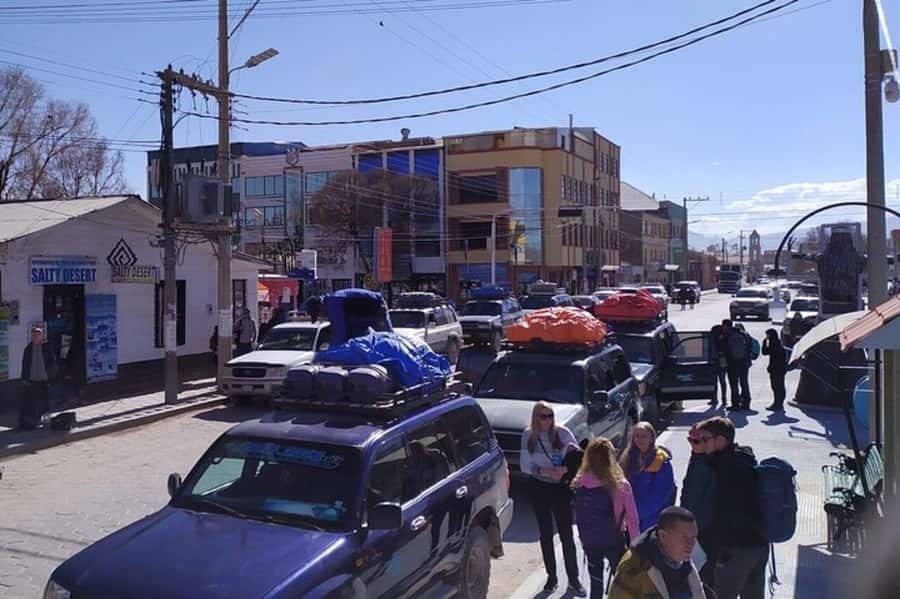
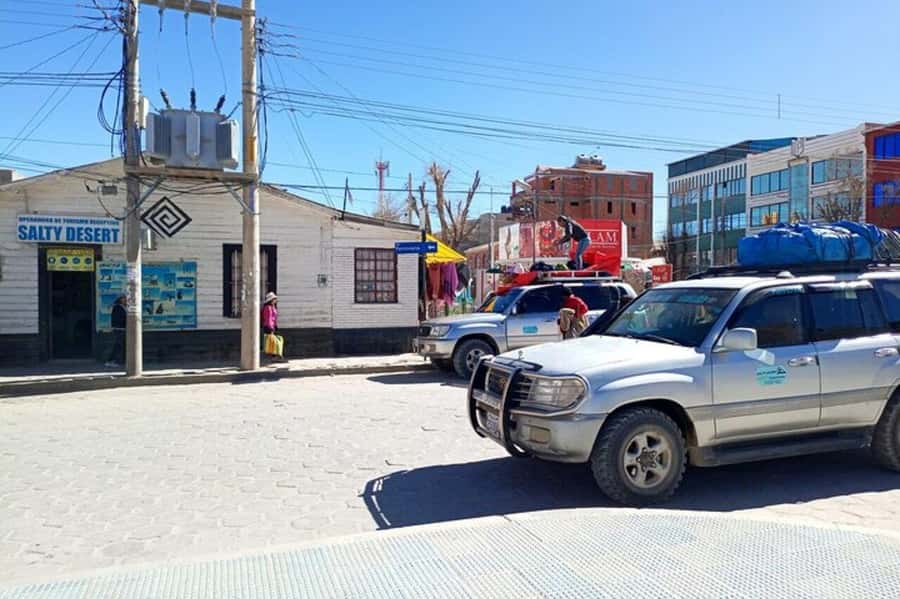
The tour leaves Salty Desert Aventours’ office in Uyuni at 10:30am. That start is late enough for a calm morning, but you should still arrive ready with water, sun protection, and warm layers.
The first stop is Uyuni’s train cemetery. Old locomotives sit outside the town, their metal bodies worn by wind and time. This is a strong opening stop because it provides texture and color before you reach the clean white surface of the Salar de Uyuni. Rusting wheels, iron frames, and open sky make it one of the easiest places on the route for striking photographs.
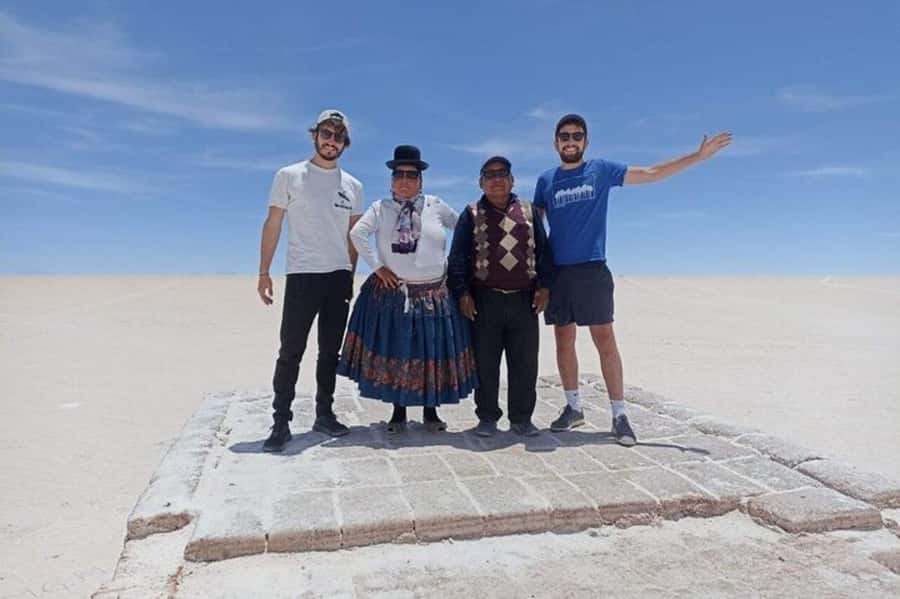
Next comes Colchani, a village linked to traditional salt processing. This stop adds useful local context. You see that the salt flats are not only a giant photo backdrop. Salt is collected and handled by people living near the salar, and the visit gives you a glimpse of that work before the road reaches the open flats.
At Playa Blanca, you visit a salt museum and see the Dakar monument. The museum is a quick cultural stop, while the monument connects the area with the famous Dakar Rally, which once crossed this part of Bolivia. Lunch is served here, with vegetarian food available.
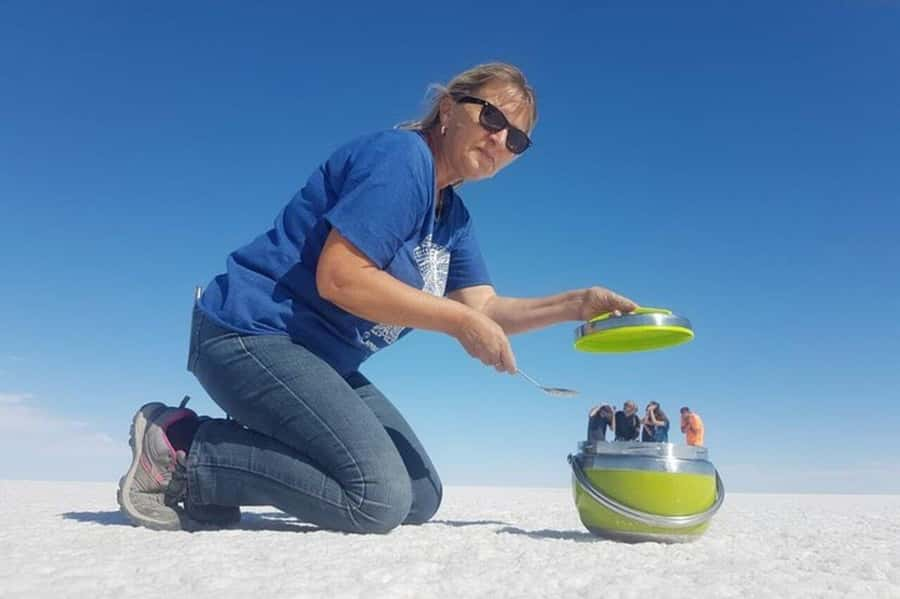
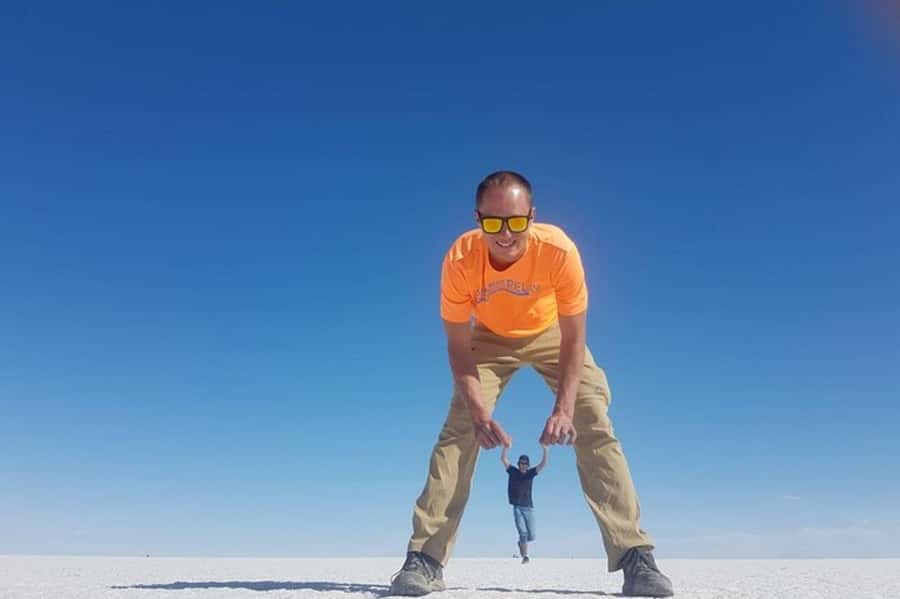
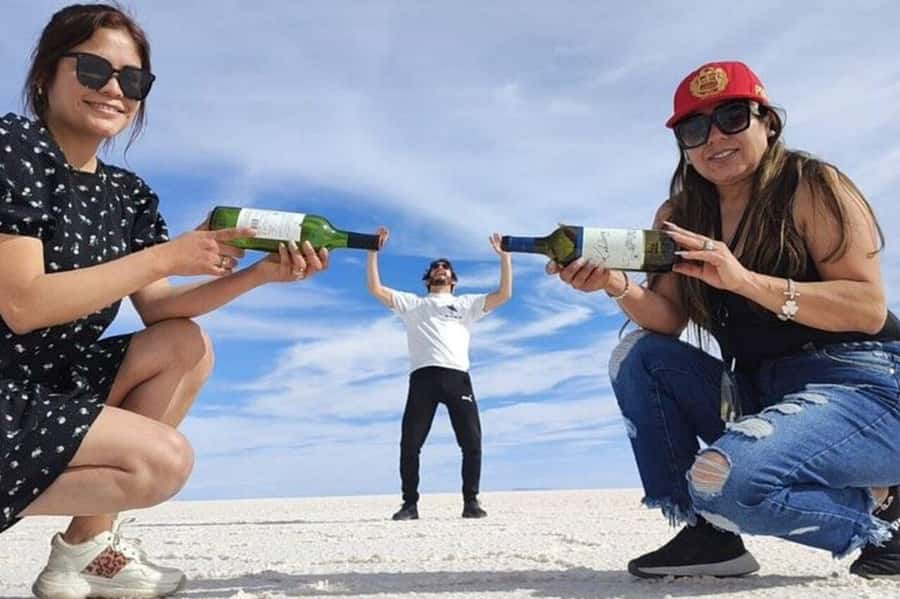
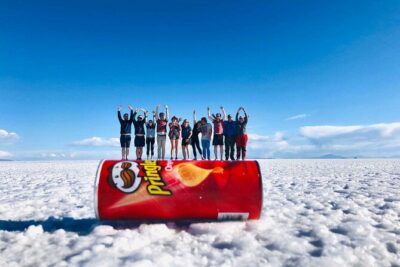
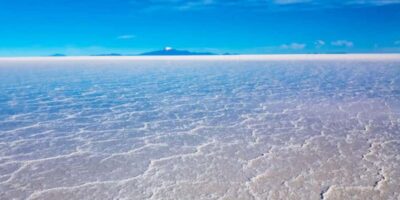
After lunch, the 4×4 heads farther onto the salar. This is when the scale becomes hard to grasp. The white surface seems to run to every edge of the horizon, and the lack of normal visual reference makes perspective photographs possible. A toy, bottle, shoe, or person can appear giant or tiny when placed at the right angle.
A sunset view may be possible, depending on the season and the day’s conditions. Do not treat it as guaranteed. The salt flats change with weather, and the rainy season brings its own limits.
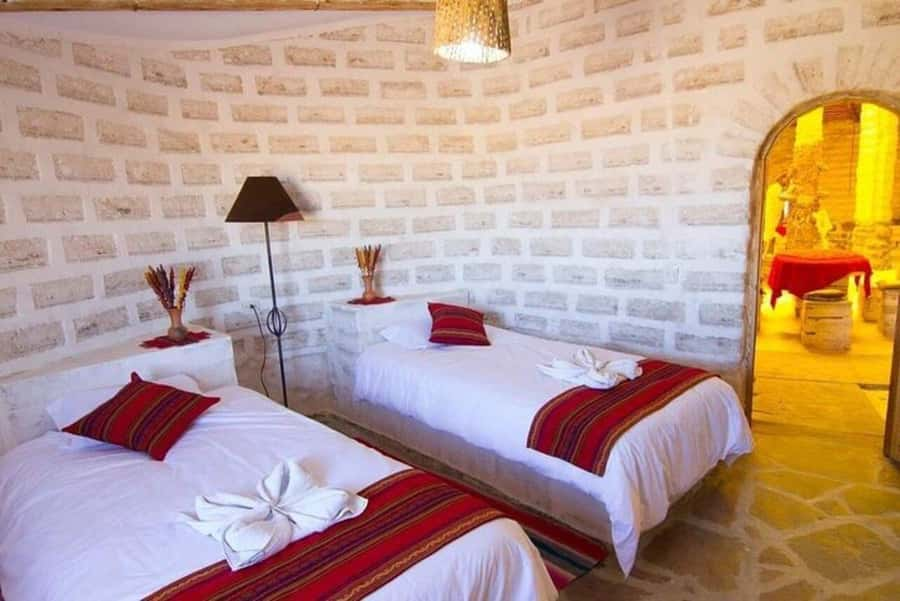
The accommodation plan includes one night in a salt hotel. That sounds memorable, and it can be, but the supplied information specifically warns that a salt hotel may not be possible during the rainy season. Confirm what will be provided for your travel dates rather than assuming the salt hotel is certain.
Day two: flamingo lakes and Laguna Colorada
Day two begins with breakfast, then the route moves away from the main salar toward the Salar de Chiguana. The scenery shifts from open white salt to rougher volcanic ground and broad high-altitude views.
At the Ollague Volcano viewpoint, you get a look across volcanic country. This is a good point to appreciate how quickly the surroundings change. You are no longer focused on the geometric salt surface. Instead, the route is about mineral colors, distant peaks, and wide open terrain.
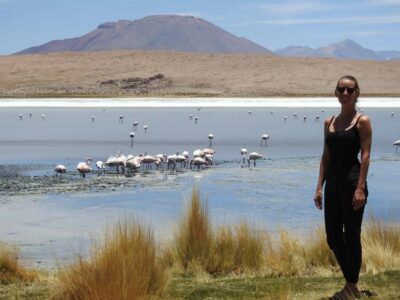
The next section visits Lakes Cañapa, Hedionda, and Chiarkota. Flamingos live in these lakes, and three species are associated with the area. You may see them feeding in the water or standing against the stark background of mountains and mineral flats.
These lake stops are among the strongest parts of the trip for wildlife. The flamingos are not placed there for display. They are part of the natural high-altitude environment, and their pink coloring against pale water and brown volcanic ground creates some of the route’s best views.
You then cross the Siloli Desert. The desert is known for unusual rock formations, including the Stone Tree. Wind and erosion have shaped the rock into a form that looks almost impossible, with a narrow base and a broader upper section.
The day ends at Laguna Colorada, one of the tour’s major highlights. Its red color comes from minerals and microscopic life in the water, and flamingos gather along its edges. The shade may vary with light and conditions, so do not expect one fixed color. Early or late light can make the lagoon look especially strong in photographs.
Day two is also where the physical side of the tour becomes more noticeable. You spend long periods in the vehicle and move through exposed, cold terrain. One June departure had sunny weather but very low temperatures, so pack for cold even if the forecast looks bright.
The second night is in a hostel. This is the weakest part of the lodging by all available accounts, and you should keep expectations modest. The trip’s value comes from the route, not from hotel comfort.
Day three: geysers, warm water, and the Chile option
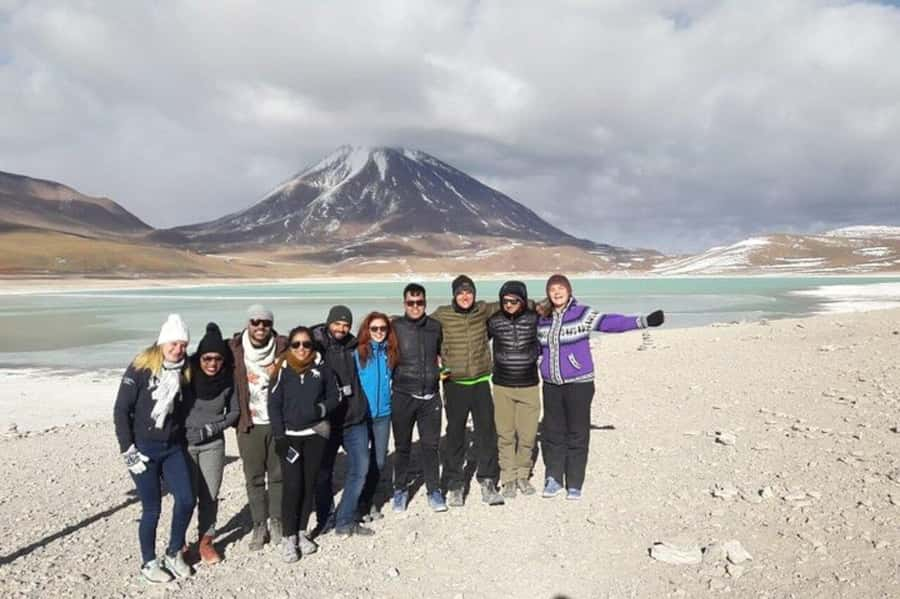
The final day begins early with the geysers of Sol de Mañana. Steam and volcanic activity give the site a raw, otherworldly feel. The early start matters because the tour needs to cover several major stops before ending around 6pm.
From the geysers, the route continues to Polques hot springs. This is the most relaxing stop of the trip. A soak in warm water, surrounded by volcanic terrain, breaks up the long drive and gives your body a chance to recover from the cold.
Bring realistic expectations. This is not a spa complex. Its appeal comes from sitting in hot water in an exposed desert setting, with volcanic scenery all around you.
The route then crosses the Salvador Dali Desert. The rock formations and open terrain have an abstract quality that recalls the work of Salvador Dali, which explains the name. This is a place for looking rather than doing. The shapes, colors, and empty space create a strange, dreamlike scene without the need for built attractions.
The last major stop is Laguna Verde. The green color comes from mineral content, and the lagoon sits within a dramatic volcanic setting. It is a fitting final sight because it combines the water, minerals, mountains, and open sky that define the route’s second and third days.
From there, the tour can finish in Uyuni or continue to San Pedro de Atacama in Chile. Choose carefully. Returning to Uyuni may suit you if your Bolivia plans continue there, but crossing onward can save a long return drive and connect naturally with a Chile itinerary.
Same corner of Bolivia, a completely different day out:
- Day Trip to Uyuni Salt Flats
★ 4.0 · 602 reviews - 3-Day Tour to Salt Flats and Lagoons
★ 4.5 · 168 reviews - From Uyuni: Red Lagoon & Uyuni Salt Flats 3-Day Guided Tour
★ 4.4 · 160 reviews - La Paz: 5-Day Uyuni Salt Flats by Bus
★ 4.3 · 153 reviews
What the $200 price really covers
At $200 per person, the price is reasonable for a three-day 4×4 route across remote terrain, provided the promised transport, meals, and lodging are delivered as expected.
The package includes 4×4 transportation, meals, vegetarian options, one night in a salt hotel, two nights in hostels, and an oxygen tank. Those inclusions matter because this is not a self-drive route. You need a vehicle capable of handling rough desert roads, and meals in such a remote area are more useful than a low headline price.
The price does not include entrance fees, sleeping bags, extra snacks, or drinks. You should budget for those items. The tour specifically recommends buying two liters of water per person, and you can buy breakfast on the first day and dinner on the final day along the route.
A sleeping bag is another practical cost to consider. The high desert can be very cold, especially in winter, and bedding is not included.
There is also a booking concern that should not be ignored. One person arrived to find that the local provider had no record of the reservation and no space available. That does not prove every booking will fail, but it is enough reason to confirm directly with Salty Desert Aventours before you travel to Uyuni.
Food, vehicle time, and group size
Meals are included, and vegetarian options are available. The information does not give detailed menus, so I would treat the food as practical fuel rather than a reason to choose this trip over another.
Carry additional snacks if you like to eat between stops. Extra drinks and snacks are not included, and the route spends long stretches away from towns.
The shared 4×4 is central to the experience. You will use it to cover the salt flats, volcanic ground, flamingo lakes, desert, and border region. A small group is advertised, limited to 15 people, which is preferable to a large convoy but still does not guarantee spacious seating.
The driving is part of the cost of seeing this much territory. You should be comfortable with long road days and simple stops. The reward is access to places that are difficult to connect independently in only three days.
An English-speaking guide is included. No guide names are provided, so you should not expect to select a particular guide.
What to pack for the salt and cold
The sun is strong on the salar, and the white surface can be hard on your eyes. Sunglasses, a sun hat, and sunscreen are essential rather than optional extras.
Bring at least two liters of water per person. Add weather-appropriate clothing, with warm layers for early mornings and nights. The June conditions were sunny but cold, a useful reminder that clear skies do not mean warm weather here.
A flashlight is listed among the required items. Pack it for hostel and salt-hotel use, especially with the early departure for Sol de Mañana.
Your basic kit should include:
- Sunglasses and sunscreen
- A sun hat
- Two liters of water
- Warm and weather-appropriate clothing
- A flashlight
- A sleeping bag
- Extra snacks and drinks
- Money for entrance fees
The combination of bright sun, cold air, wind, and basic accommodation makes careful packing more important than fashionable packing.
Who will get the most from this trip
I would recommend this tour to you if you want the full Uyuni region in a short, structured trip. It suits photographers, first-time visitors to Bolivia, and anyone planning to continue to San Pedro de Atacama.
It is also a good fit if you value scenery more than comfort. The best moments come from the changing terrain, flamingos, volcanic colors, geysers, and open sky. You need patience for long drives and a tolerance for basic lodging.
I would hesitate if you need reliable hotel standards, private transport, or a slow pace. The route covers a lot of ground, and the second hostel may feel disappointing after a full day on the road.
The tour has an overall score of 3.8 from four ratings. That suggests a generally positive experience, but the booking failure and weak second-night accommodation deserve attention. Ask for written confirmation, clarify the rainy-season salt hotel arrangement, and check the final destination before paying.
Should you book Salty Desert Aventours?
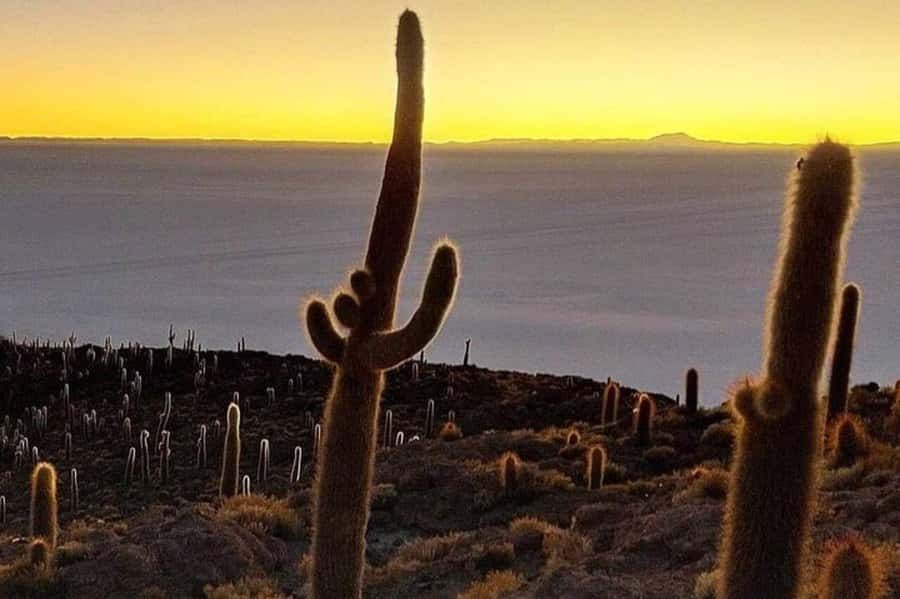
Book it if you want more than a one-day salt-flat visit and the $200 price fits your budget. The second and third days are the reason to go: Laguna Colorada, flamingos, the Siloli Desert, Sol de Mañana, Polques hot springs, the Salvador Dali Desert, and Laguna Verde create a much fuller picture of southern Bolivia.
Choose the San Pedro de Atacama finish if Chile is already on your route. Choose the return to Uyuni if you need to stay in Bolivia.
Before departure, confirm your reservation directly, ask about the salt hotel during your season, and budget for fees, water, snacks, and a sleeping bag. With those points settled, this is a strong value for a demanding but memorable three-day journey.
FAQ
Where does the tour start?
The tour starts at the Salty Desert office in Uyuni at 10:30am.
How long does the tour last?
The tour lasts three days and ends at about 6pm on the third day.
What transport is used?
Transportation is provided by 4×4 vehicle.
Is food included?
Yes. Meals are included, and vegetarian options are available.
Are entrance fees included?
No. Entrance fees are not included in the tour price.
Can the tour finish in Chile?
Yes. You can choose to return to Uyuni or continue to San Pedro de Atacama in Chile.
What should I bring?
Bring sunglasses, a sun hat, sunscreen, two liters of water per person, weather-appropriate clothing, and a flashlight. Sleeping bags, extra snacks, and drinks are not included, so plan for those separately.
Just added around Uyuni
- Uyuni: Classic Uyuni Salt Flats Tour + Hotel Pickup★ 3.0 · 4 reviews
- Uyuni: Salar de Uyuni Traditional Tour+Sunset Tour★ 4.8 · 3 reviews
- UYUNI SALT FLAT: SUNRISE & STARLIGHT EXPERIENCE★ 3.1 · 3 reviews
- UYUNI SALT FLAT: SUNSET & STARLIGHT EXPERIENCE★ 5.0 · 3 reviews
- Uyuni: Salar de Uyuni and San Pedro de Atacama 3-Day Tour★ 4.2 · 4 reviews
- Uyuni: Full-day tour, Salt flats and Sunset experience★ 4.8 · 5 reviews
- Uyuni: 2-day tour to the salt flat and altiplanic lagoons★ 3.3 · 3 reviews
- Salt Flat Uyuni from Uyuni★ 4.0 · 4 reviews
Uyuni Tours, compared.
Red Lagoon & Uyuni Salt Flats 3-Day Guided Tour
Read our review →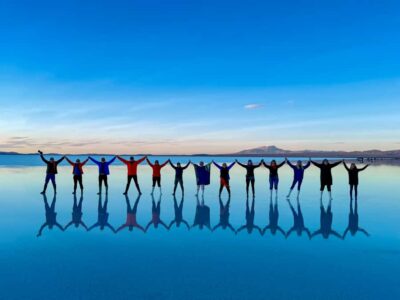
Uyuni Salt Flats and San Pedro de Atacama 3-Day Tour
Read our review →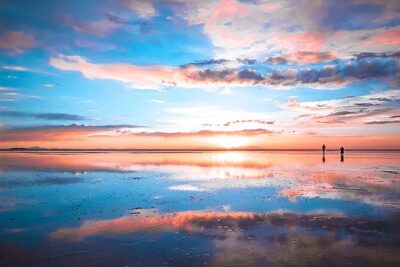
Uyuni Salt Flats 3 Days/ 2 Nights with English Speaking Guide
Read our review →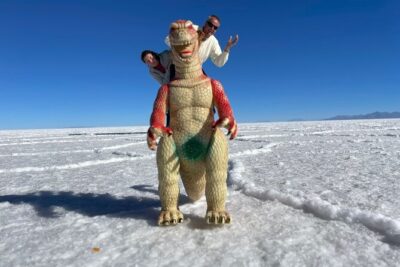
3-Day Uyuni Salt Flat Tour with Sunset and Red Lagoons
Read our review →Browse the lists this tour appears in