
Reviewed · WALKING TOURS
Sucre: Free Walking tour (History, culture and traditions)
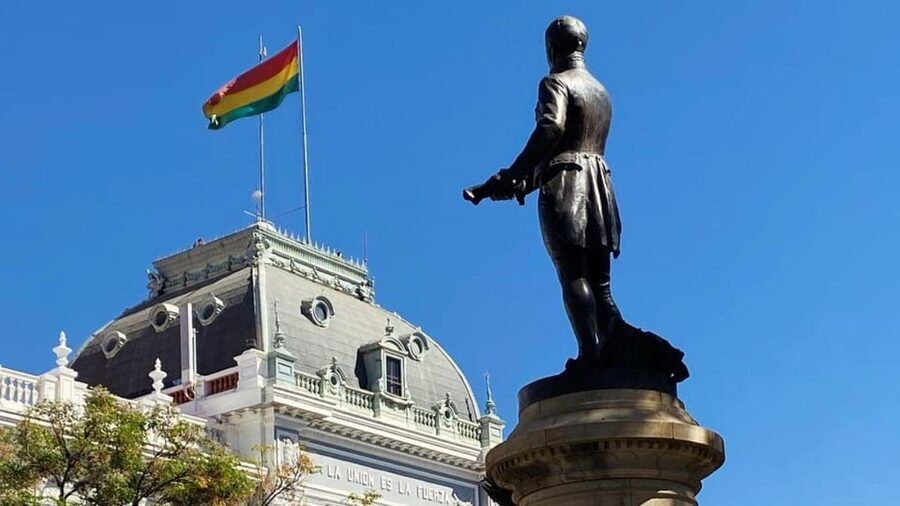
Sucre’s story unfolds best on foot, and this tour links its most telling places in one compact route. You’ll pass the city’s main square, old university courtyards, the street where Sucre began, an ancient castle, and a viewpoint looking toward the mountains. Manuel and Silvana are among the guides leading the experience, with English explanations and plenty of room for questions.
I like the way the tour joins formal history with everyday Bolivia. You get grand plazas and colonial buildings, then indigenous art and a short ride on a local bus for 2 bolivianos. The main consideration is the walking: uneven streets, several stops, and no wheelchair access make this a poor fit if mobility is limited.
Key points at a glance
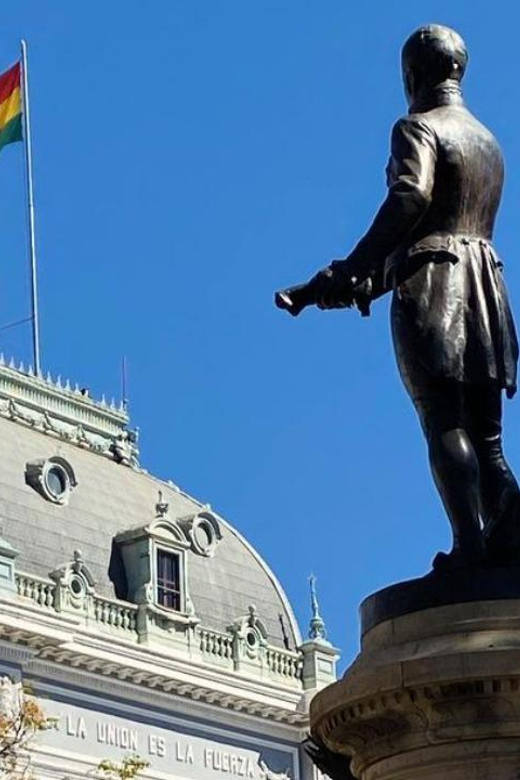
- Sucre’s story in 2.5 hours: A brisk route through the city center, old streets, squares, and historic institutions.
- An ancient castle and former mayor’s office: You’ll see the old office and its gardens, adding an unusual stop beyond the usual plaza circuit.
- The street of Cats: This old lane marks the birthplace of the city and connects Sucre’s modern streets with its earliest past.
- Indigenous art near Sucre: The tour brings local communities and their artistic traditions into the story of the city.
- A 2-boliviano local bus ride: Depending on the day’s route, public transport helps you reach the older part of Sucre.
- English-speaking guides: Manuel and Silvana are named guides associated with the tour, and both are praised for clear explanations and useful local tips.
Starting at Plaza Cochabamba
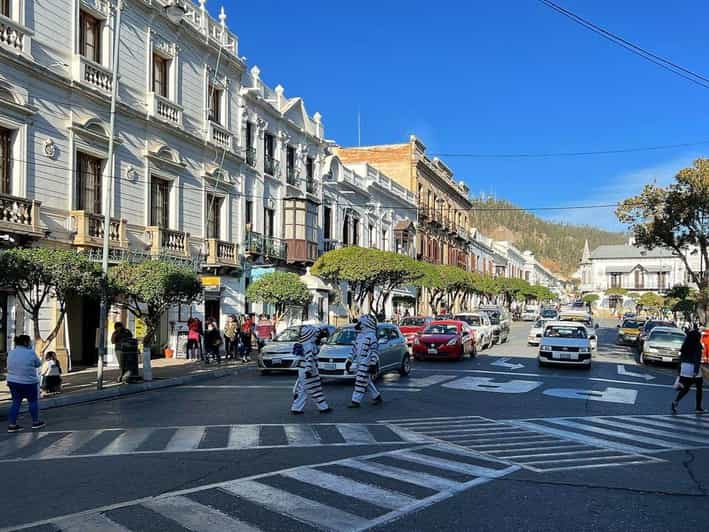
Meet in the middle of Plaza Cochabamba. This gives the tour a simple, central starting point, though you’ll want to allow enough time to find the exact meeting spot within the square.
The tour lasts about two and a half hours. That is long enough to build a useful picture of Sucre without taking up your entire day. I’d book it near the start of your stay, since the route helps you understand the city center and gives you context for later visits.
Bring cash. The listed price is about $0.50 per person, but the activity also notes 2 bolivianos for transportation. That small extra cost matters because the local bus is part of the practical side of the outing, not just a way to fill time. You get to try public transport in Sucre with a guide beside you.
The timing can change on Sundays and public holidays. Some stops have opening-hour limits, so the route may be adjusted. If a particular interior visit matters most to you, check the schedule before booking rather than assuming every stop will operate in the same way every day.
More historical sites near Bolivia:
- Walking tour in Sucre: History, Culture & Amazing Views
★ 4.8 · 79 reviews - Walking tour – A journey through the History of Santa Cruz
★ 4.8 · 61 reviews - Sucre: A Day Spent Exploring the Historic Area of the City
★ 4.8 · 4 reviews
Plaza de Armas 25 de Mayo and Sucre’s public story
The first major stop is Plaza de Armas 25 de Mayo, where you spend around 20 minutes. This is the place to get your bearings. The guide explains how Sucre developed as a center of government, education, and public life, then connects those themes to the buildings around the square.
A good guide makes a plaza more than a photo stop. Manuel, in particular, is praised for giving clear historical explanations and useful advice for seeing more of Sucre during the rest of your stay. Silvana is also noted for her strong command of the city’s past and her friendly presentation.
Expect the tour to pause often for context. You may hear about the people and institutions that shaped Sucre, as well as the role of Bolivian traditions in the city today. The value here is not a long lecture. It is the framework that helps you understand why the next streets, buildings, and artworks matter.
This is also a practical point to ask questions. If you want recommendations for the rest of your visit, use the time with the guide well. Several people who took the tour found the advice useful for making better use of a short stay in Sucre.
University courtyards at USFX
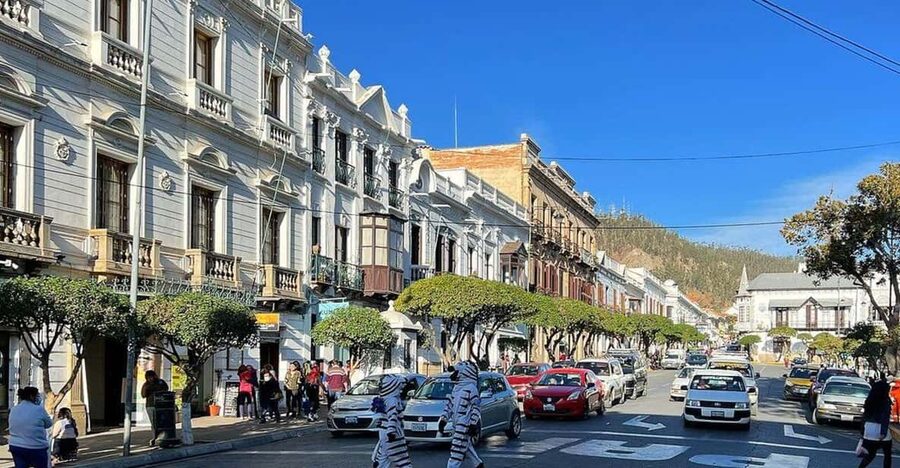
The route continues to the Universidad Mayor, Real y Pontificia de San Francisco Xavier de Chuquisaca, commonly called USFX. The visit lasts about 15 minutes and focuses on the courtyards of the old public university.
This stop adds an academic side to Sucre’s identity. The university is not simply another historic facade. Its courtyards show how education became part of the city’s public life and why Sucre has long carried an important cultural and intellectual role in Bolivia.
Fifteen minutes is enough for a look and an explanation, but not a full campus tour. Keep your expectations realistic. You’ll get a focused visit to the old courtyards rather than a detailed exploration of every room or building.
I like this stop because it breaks up the rhythm of churches, plazas, and viewpoints. It also gives the tour more substance. Instead of treating Sucre as a pretty colonial center, the guide connects the city’s appearance with its institutions and traditions.
Plaza de la Libertad and the Obelisco
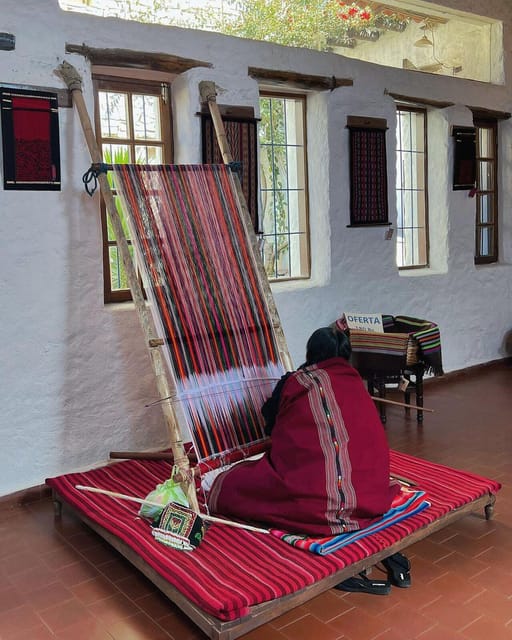
At Plaza de la Libertad, the tour pauses for about 15 minutes near the Obelisco. This stop continues the story of Sucre’s civic life and offers another view of the city’s public spaces.
The square is useful as a comparison with Plaza de Armas 25 de Mayo. Rather than seeing a series of attractive plazas with no clear connection, you can follow how each one served a different role in the city. The guide’s job here is to explain those links without burying you in dates.
This is one of the shorter stops, so the pace remains fairly brisk. Wear comfortable shoes and keep water close. The route is designed for walking, and the experience is best if you can stay with the group rather than treating each pause as a long independent visit.
More walking tours in Bolivia:
- La Paz and El Alto: Cable Car Rides and Walking Tour
★ 4.8 · 790 reviews - La Paz Half-Day Walking Tour
★ 4.8 · 591 reviews - Walking city tour La Paz
★ 3.9 · 25 reviews - Walking tour in Cochabamba not your average
★ 5.0 · 21 reviews
Indigenous art and the communities near Sucre
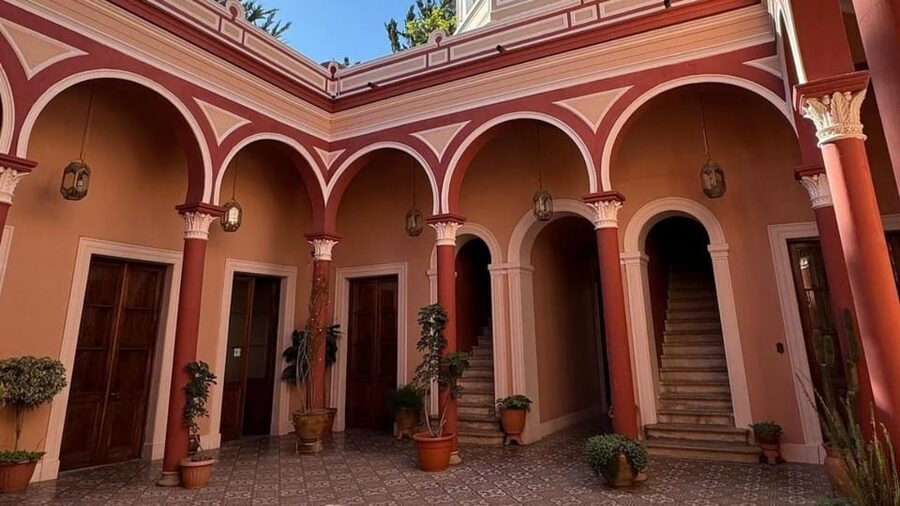
The visit to the Museo de Arte Indígena lasts around 15 minutes. It brings indigenous art into the center of the tour, which is one of its most useful features.
Sucre’s buildings and colonial squares can easily dominate a first visit. This museum adds another layer, showing artistic traditions linked to communities living near the city. You’ll see how local culture is expressed through art rather than hearing about it only in broad historical terms.
The short museum visit means you should expect an introduction, not an exhaustive gallery tour. The guide helps you notice the cultural meaning behind the objects and places the art within the wider story of the region.
This is also where the tour feels most connected to present-day Bolivia. The route does not stop with old offices and historic institutions. It includes living traditions and indigenous creativity, giving you a more balanced view of Sucre.
The ancient castle, gardens, and former mayor’s office
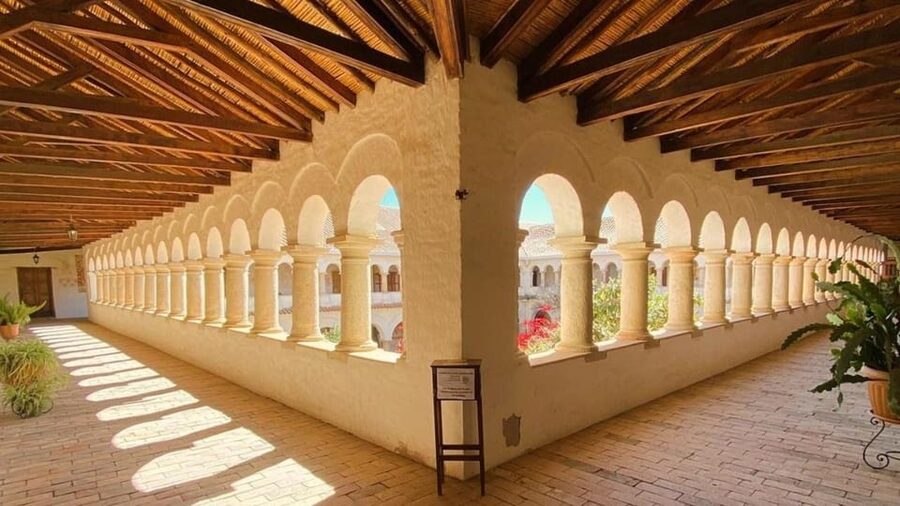
One of the more unusual parts of the experience is the visit to an ancient castle. You’ll see the former office of the Mayor of Sucre and walk through the gardens.
The castle gives the tour a change of scale and mood. After moving through public squares and university courtyards, you enter a place tied to local administration and older civic life. The former mayor’s office adds a concrete human detail to the city’s political past, while the gardens provide a calmer setting for the guide’s explanation.
The supplied details do not name the castle or promise a full interior tour, so I would think of this as a focused visit rather than a grand castle admission. You’ll see the old office and gardens as part of the walking route, with the guide supplying the background.
This stop is especially useful if you want something beyond Sucre’s central postcard views. It gives the tour a distinctive feature that you would not get from simply wandering between the main plaza and a church.
The street of Cats and the city’s beginnings
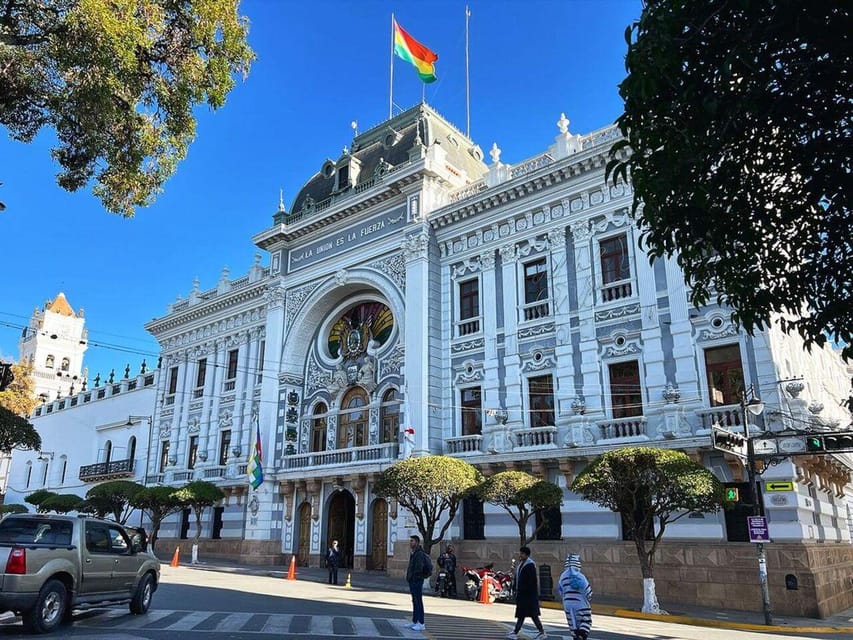
The route also follows the street of Cats, described as the place where the city was born. The name alone makes it memorable, but the historical meaning is the real reason to pay attention.
Here, the guide shifts from formal institutions to the earliest part of Sucre’s urban story. You walk through an old street and learn how the city’s first chapter connects with the streets you see today.
This is a good example of why a walking tour can be more useful than a bus sightseeing loop. A vehicle might pass the area in seconds. On foot, you can stop, look closely, and hear why the street matters.
The route’s old streets may not be smooth or easy for everyone. The tour is specifically not suitable for people with mobility impairments or wheelchair users. If you walk comfortably but dislike long periods on your feet, remember that the two-and-a-half-hour duration includes movement between stops, not just sitting and listening.
Mountain views from the city viewpoint
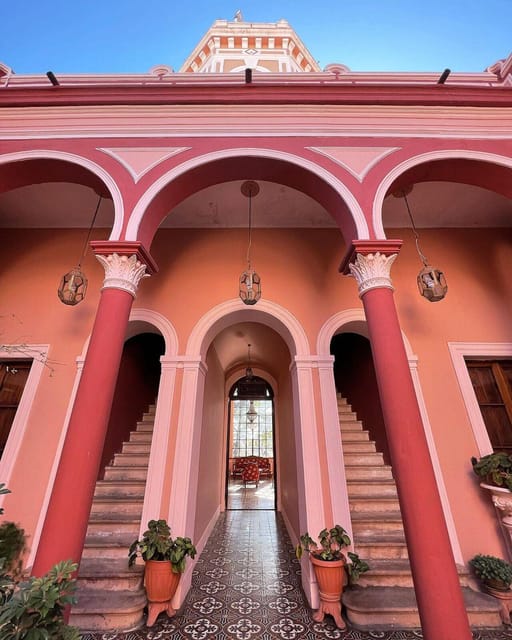
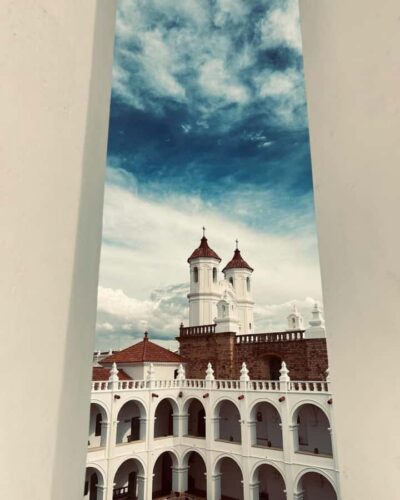
At a viewpoint near Sucre, you’ll look toward the surrounding mountains and older parts of the city. The exact viewpoint is not named, but it is described as a splendid place for wide views.
This pause gives your visit some visual balance. The center’s courtyards, squares, and narrow streets can make Sucre feel enclosed. From higher ground, you can see the city in relation to the mountains and understand its setting more clearly.
Bring a phone or camera if you want photographs, but do not expect the viewpoint to be the whole point of the tour. The guide uses it as a chance to connect geography with the city’s development and to let you take in the view before moving on.
The local bus ride may help reach the older part of Sucre or connect this section of the route. It costs 2 bolivianos per person. For many people, that is one of the most appealing details because it turns a standard sightseeing walk into a small piece of daily city life.
A short local bus ride with a useful purpose
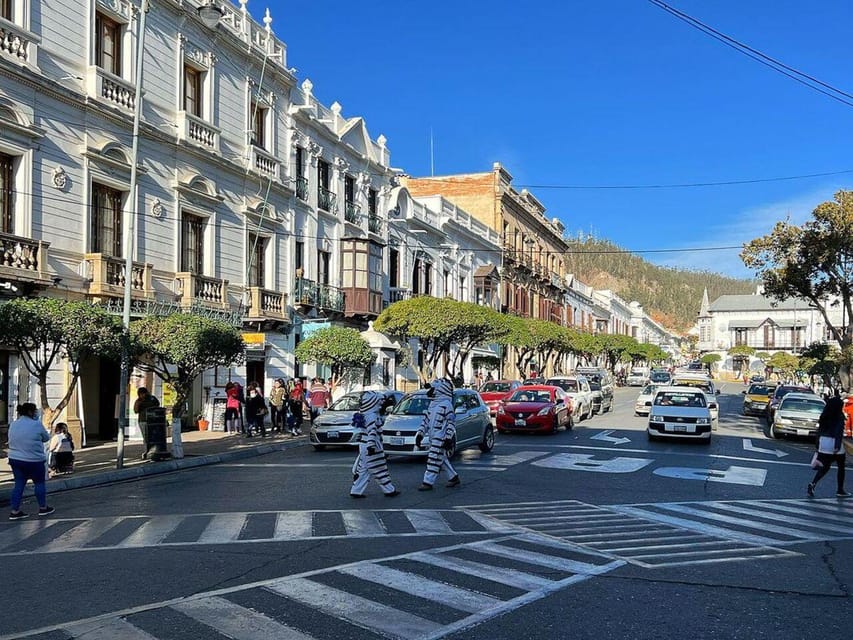
The public bus is not included in the listed price. Set aside 2 bolivianos per person in cash.
The ride matters because using local transport can be awkward when you have just arrived in a new city. The guide handles the practical uncertainty, allowing you to see how the system works without guessing where to board or how much to pay.
One important detail: the bus appears to be part of the route, but the precise timing may change on Sundays and holidays. Opening hours at other stops can affect the order or shape of the program.
I would not book this tour solely for the bus. Think of it as a small bonus that makes the day feel more connected to local life. The main value remains the guide’s explanation of Sucre and the range of places covered on foot.
The old colonial square and the finish on Suipacha 202
The walk ends at an old colonial square, where you get another fine view of Sucre. The listed finish is Suipacha 202, Sucre, Bolivia, while the meeting information also describes the activity as ending back at the meeting point. Confirm the final drop-off details when you reserve, especially if you need to reach another appointment immediately afterward.
Ending in a colonial square gives the tour a fitting final scene. You have moved from the main civic center through the university, indigenous art, old streets, gardens, and a viewpoint, then finish with one more look at Sucre’s historic character.
The final stop also gives you a chance to ask last questions. If Manuel or Silvana is leading, use the closing minutes to request practical suggestions for your remaining time in the city. The guides are praised for answering questions and helping people plan their stay.
How much value do you get for the price?
At about $0.50 per person, the tour offers exceptional value on price alone. The more important question is what you get for that small amount: an English-speaking guide, a structured route, several historic stops, indigenous art, mountain views, and an introduction to local public transport.
The 2-boliviano bus fare is a minor extra. Even with that cost, you are paying very little for two and a half hours of guided orientation.
The low price does not mean you should expect a private tour or a slow, customized visit. The route covers a lot, and the short stop lengths show that it is designed as an overview. If you want long time inside each museum or building, you may prefer independent visits afterward.
For a first day in Sucre, I think the value is strongest. You get the city’s main themes quickly, then can return to the places that caught your interest.
Who should book this Sucre walking tour?
This tour suits you if you want:
- A fast introduction to Sucre’s history, culture, and traditions
- An English-speaking guide who can answer questions
- A mix of public squares, old streets, university courtyards, art, gardens, and viewpoints
- A small taste of local transport
- A low-cost activity before exploring the city on your own
It is a weaker choice if you need wheelchair access, cannot walk for two and a half hours, or want a relaxed museum-focused day. The schedule is fairly full, and Sunday or holiday hours may change the program.
The strongest part is the range. You are not only looking at colonial architecture. You are also hearing about the university, seeing indigenous art, walking through the city’s beginnings, and looking across the mountains from above.
Should you book it?
Yes, if you want an inexpensive and practical introduction to Sucre. Book it early in your stay, bring cash, wear comfortable shoes, and expect a brisk route rather than a private deep examination of every stop.
I would choose it for the combination of history, local culture, the unusual castle visit, and the 2-boliviano bus ride. Skip it only if walking is difficult or if you prefer to explore at a very slow pace. For most able walkers, it gives you a useful map of Sucre in one morning or afternoon and leaves you with clear ideas for what to see next.
FAQ
How long does the Sucre walking tour last?
The tour lasts approximately 2.5 hours.
Where does the tour start?
The meeting point is in the middle of Plaza Cochabamba in Sucre.
Where does the tour finish?
The listed finish is Suipacha 202 in Sucre. The meeting information also says the activity ends back at the meeting point, so confirm the final location when booking.
What language is the tour conducted in?
The live tour guide speaks English.
How much does the tour cost?
The listed price is $0.50 per person.
Is transportation included?
Transportation is not included. The activity notes a local bus cost of 2 bolivianos per person.
Does the itinerary change on Sundays and holidays?
Yes. The program may change slightly because some places have different opening hours on Sundays and public holidays.
Is the tour suitable for wheelchair users?
No. The activity is not suitable for wheelchair users or people with mobility impairments.
Just added around Bolivia
- Uyuni: Classic Uyuni Salt Flats Tour + Hotel Pickup★ 3.0 · 4 reviews
- Uyuni tour express from Sucre by bus (round trip)★ 4.2 · 4 reviews
- UYUNI SALT FLAT: SUNRISE & STARLIGHT EXPERIENCE★ 3.1 · 3 reviews
- UYUNI SALT FLAT: SUNSET & STARLIGHT EXPERIENCE★ 5.0 · 3 reviews
- Uyuni: Salar de Uyuni Traditional Tour+Sunset Tour★ 4.8 · 3 reviews
- Uyuni: 3-Days Salt Flats and Desert Adventure Tour with Food★ 3.8 · 4 reviews
- Uyuni: Full-day tour, Salt flats and Sunset experience★ 4.8 · 5 reviews
- Uyuni: Salar de Uyuni and San Pedro de Atacama 3-Day Tour★ 4.2 · 4 reviews
Walking Tours, compared.
La Paz and El Alto: Cable Car Rides and Walking Tour
Read our review →
Walking tour in Sucre: History, Culture & Amazing Views
Read our review →
Walking tour – A journey through the History of Santa Cruz
Read our review →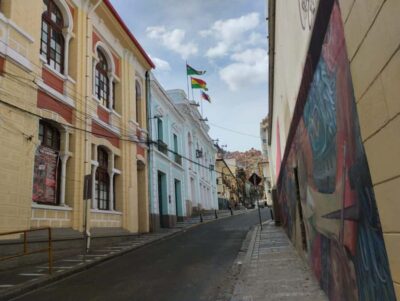
Browse the lists this tour appears in