
Reviewed · UYUNI TOURS
Uyuni: Guided 3-Day Tour Salt Flats & Avaroa National Park
At 3,663 meters above sea level, the Uyuni Salt Flats turn a simple sightseeing trip into a three-day test of altitude, cold, dust, and wonder. I like that this journey pairs the famous white salt plain with Incahuasi Island and its giant cacti, then continues into Eduardo Avaroa National Park for flamingo lagoons, geysers, hot springs, and volcanic rock formations.
I also like the small group limit of 11 and the fact that meals, transport, a local driver, and an English-speaking guide are included. The main caution is comfort: nights can reach about -10 C, lodging may have no heating or hot water, and the roads are rough. This is a spectacular trip, but it is not a soft one.
Key points to know before booking
- The salt flats are only the first act: Days two and three bring flamingo-filled lagoons, deserts, geysers, hot springs, and volcano views.
- Incahuasi Island is seasonal: From January through April, rain can make the island inaccessible.
- Expect basic overnight stops: Shared rooms, shared toilets, limited electricity, and cold conditions are part of the deal.
- The included meals add real value: You receive three lunches, two dinners, and two breakfasts along with transport and lodging.
- Bring serious cold-weather clothing: A jacket alone may not be enough for high-altitude mornings and unheated rooms.
- The tour returns to Uyuni: Arrival at the office is scheduled for about 6:30 p.m. on the third day.
The big picture: white salt, red water, and volcanic country
The first day gives you the classic Uyuni image: a seemingly endless white plain under a huge sky. But the full route is more varied than a salt-flats outing. Over three days, you move from abandoned locomotives and salt workshops to cactus-covered islands, flamingo lagoons, steaming volcanic ground, and the green and white lagoons below Licancabur Volcano.
That variety is the strongest reason to choose three days instead of a one-day salt-flats trip. You see far more of the high-altitude region, and the scenery changes sharply each day. The tradeoff is that much of the time is spent in a 4×4 on rough desert roads, with basic accommodation at night.
The price is $371 per person. For that amount, you get an English-speaking guide, local driver, 4×4 transport with a rooftop luggage rack, six included meals, and two nights of lodging. You still need to budget for at least 186 Bs in listed entrance fees for Incahuasi Island, Eduardo Avaroa National Park, and the hot springs, plus charges for toilets along the route, drinks, and personal items.
More national parks near Uyuni:
- Day Tour / Amboro National Park (north side)
★ 4.3 · 17 reviews
Day one: locomotives, salt blocks, and Incahuasi Island
Pickup takes place between 10:15 and 10:30 a.m., with the tour leaving Uyuni at about 10:40. If your hotel is not on the pickup list, you need to reach the company office at the corner of Colón Street and Camacho by 10 a.m. Airport pickup is possible, but you must provide your flight time and airline in advance.
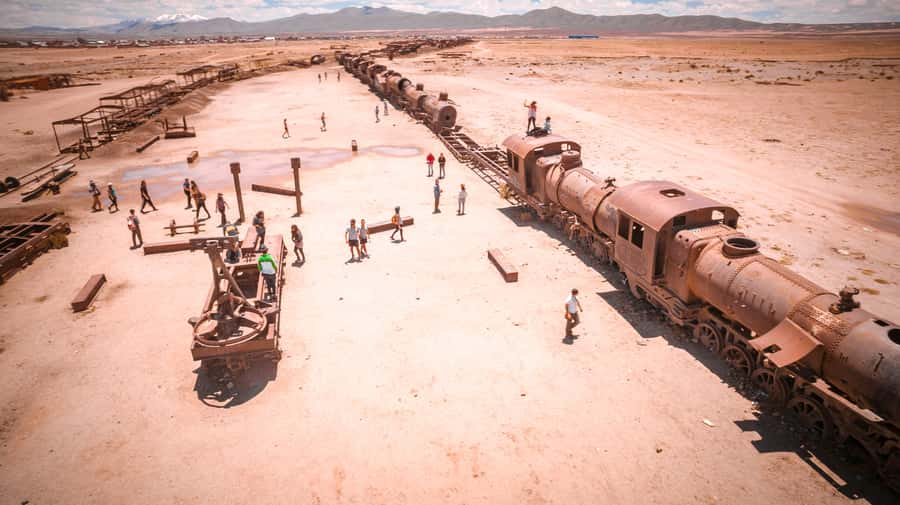
The first stop is the Train Cemetery outside Uyuni. Rusting locomotives from the eighteenth and early twentieth centuries sit in the open air, their metal frames worn down by time and weather. It is a short stop, but a good one for photographs. The shapes are stark against the empty surroundings, and the site gives the day a slightly strange opening.
At Colchani village, you see how salt is collected and processed. The visit includes a short walk through an artisanal market and a small museum. Do not expect a long cultural program, but this stop helps explain that the salt flats are not only a scenic oddity. Salt remains part of local work and commerce.
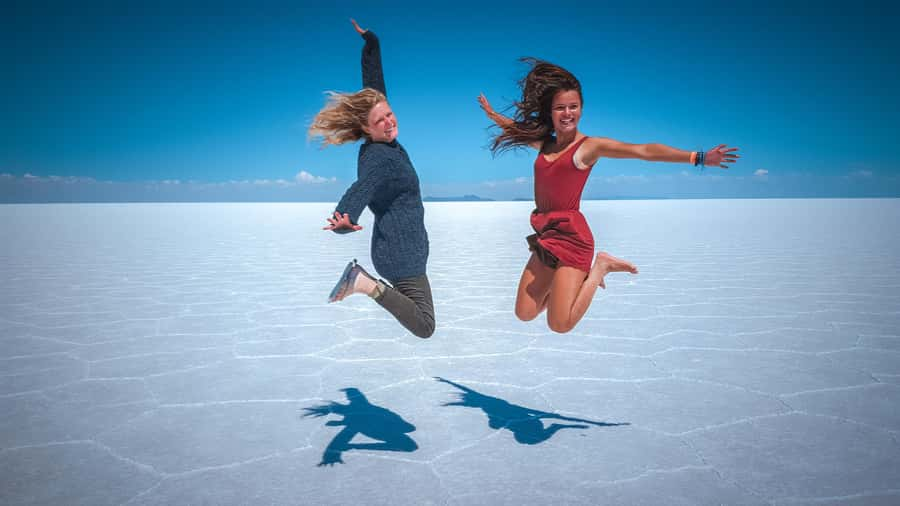
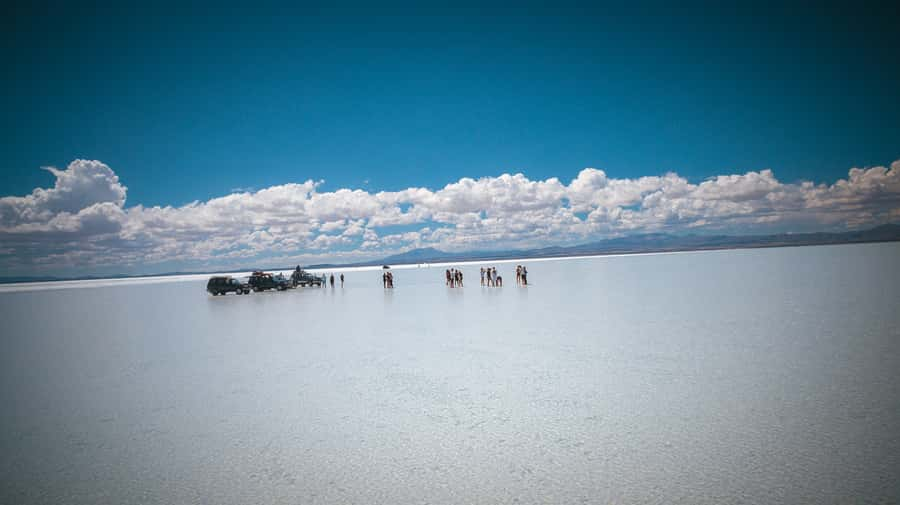
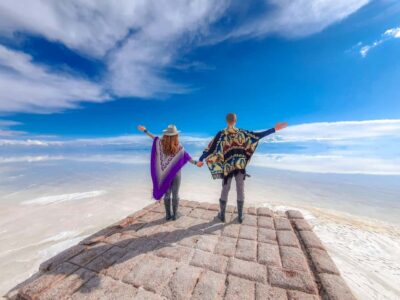
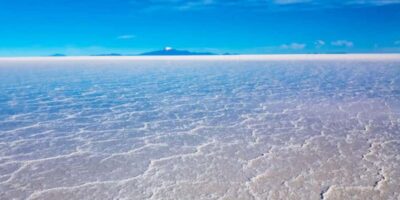
Then the 4×4 reaches the main event, the Uyuni Salt Flats. The flat covers about 12,000 square kilometers, and its size is difficult to grasp from ground level. At the salt eyes, water and minerals appear through the crust. The Salt Hotel-Museum, built from salt blocks, adds an unusual human touch to a place that otherwise feels almost empty.
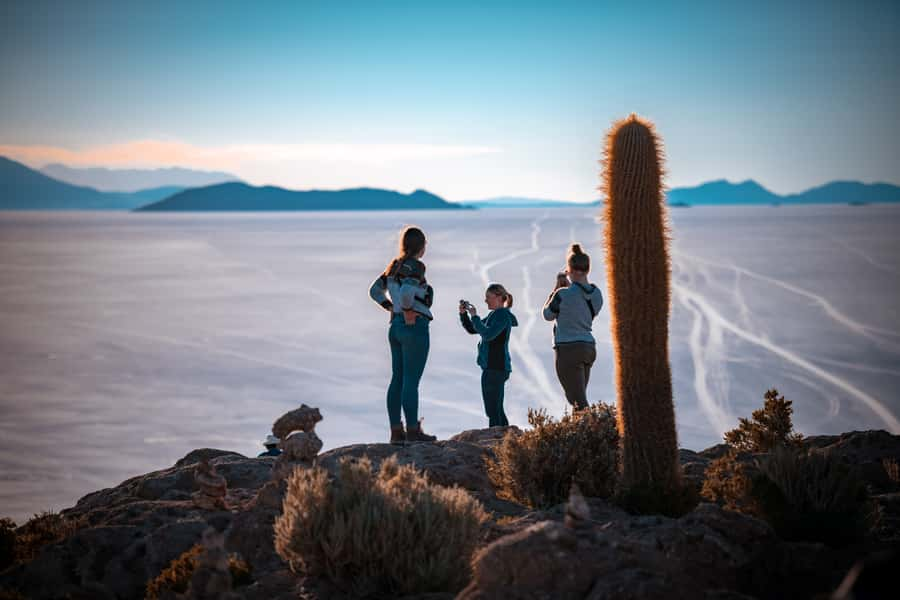
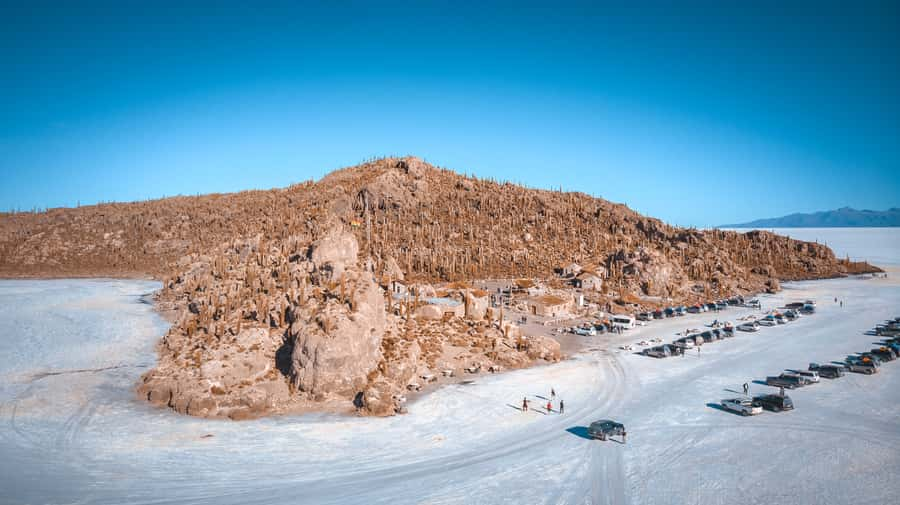
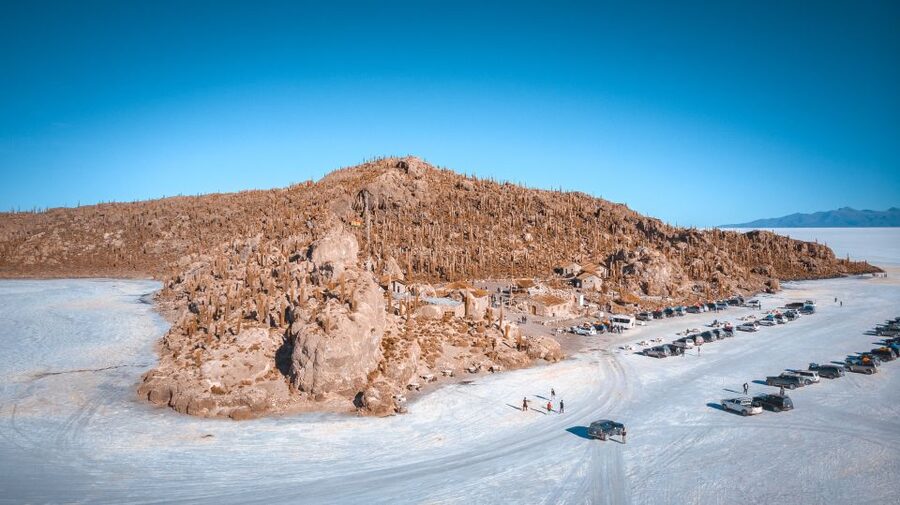
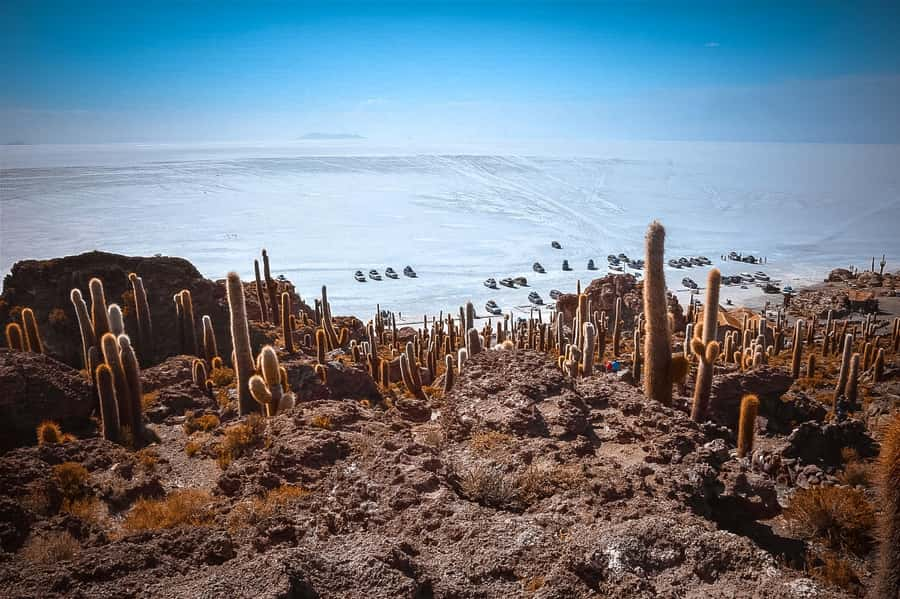
You also stop at the Dakar Monument and the Flags of the World area before continuing to Incahuasi Island. Here, giant cacti rise from the salt plain. The island gives you a higher viewpoint and a useful change of scale, since the cactus-covered rock breaks up the perfect white horizon.
The day ends with sunset and a glass of wine before dinner at the hostel. That sounds relaxed, but remember the altitude and the cold. Keep a warm layer within reach rather than buried under luggage on the roof.
How the salt flats change through the seasons
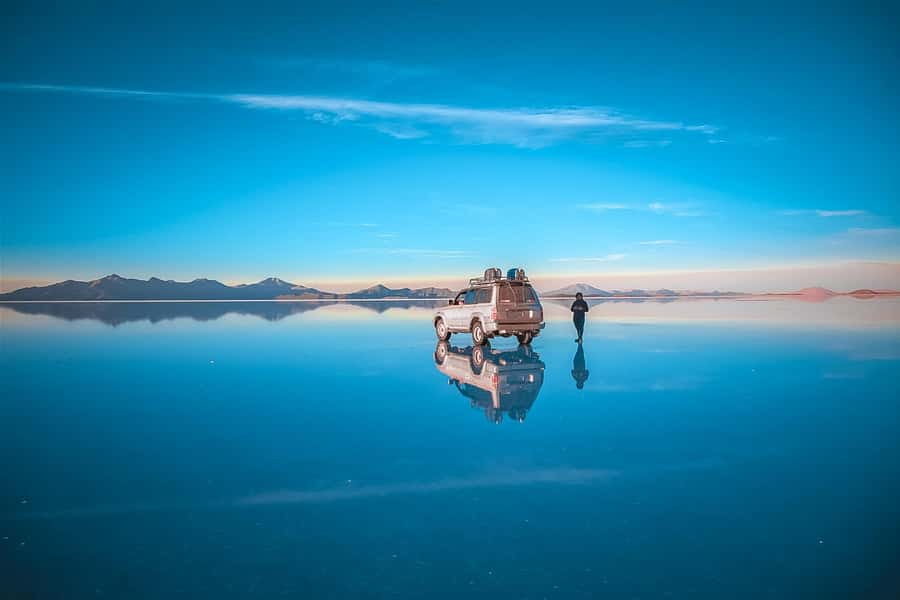
The tour description makes one important seasonal warning: from January through April, access to Incahuasi Island may not be possible because of rain. Water on the salt can create beautiful reflections, but it can also alter the route and remove the island stop.
You should treat the listed schedule as a guide rather than a guarantee. Weather, roadblocks, strikes, and other events can force changes with little notice. The tour may also sleep in a different location if road access requires it.
That flexibility is normal in this part of Bolivia. It is also why you should not book this trip expecting every stop to run like a city sightseeing tour.
Day two: flamingo lagoons and the red water of Laguna Colorada
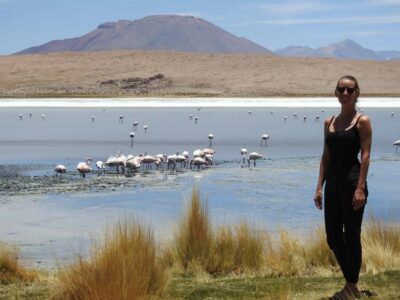
Day two starts after breakfast and heads toward Chiguana, the Ollagüe lookout, and a series of high Andean lagoons. Cañapa, Hedionda, and Chiarcota are known for their flamingos. The birds are one of the day’s main rewards, especially against the bare volcanic terrain.
Three flamingo varieties can be seen around the Red Lagoon area: Chilean, James, and Andean flamingos. The color of the water can shift with minerals, light, and conditions, so the sight is less like a single postcard and more like a changing natural display.
Lunch is included, which matters here. There are long stretches between services, and buying food on the road is not part of the plan. You receive three lunches over the whole tour, along with two dinners and two breakfasts, but drinks are not included.
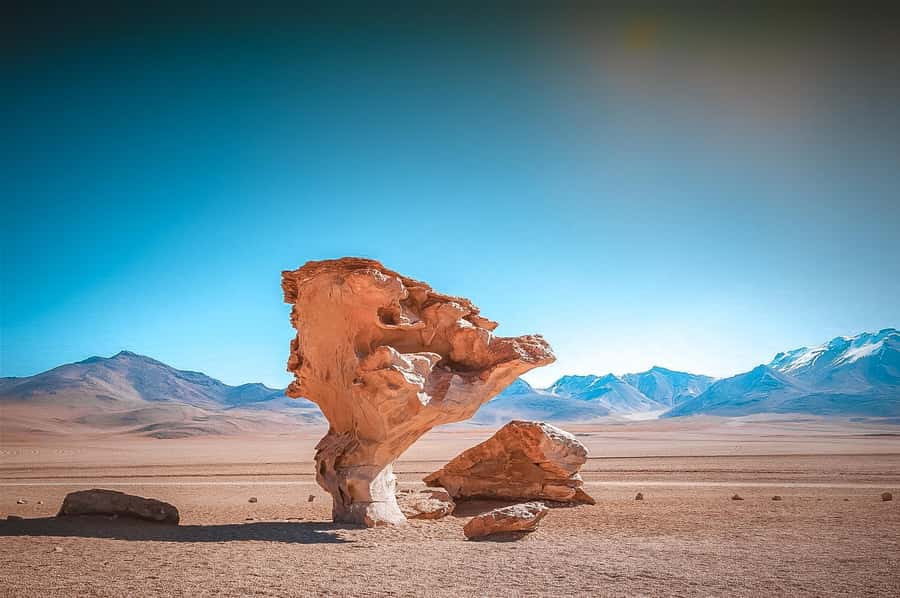
After lunch, the route crosses the Siloli Desert. The Stone Tree is the famous formation, shaped by wind over time. You will also see more rock formations and may spot vicuñas, desert foxes, or viscachas along the way. Wildlife sightings are not guaranteed, but the route passes through open country where these animals can appear.
The final major stop is Red Lagoon, within Eduardo Avaroa National Park. The lagoon is also home to flamingos, creating a strong contrast between red water, pale ground, and distant volcanic peaks. The park entrance fee is separate, so keep cash available for the 150 Bs charge.
The second night is at a hotel in the community of Huayllajara, though the exact lodging can change. This is where the trip becomes physically demanding. Reports from the route describe very basic rooms, shared toilets, cold interiors, and electricity available for only part of the evening, sometimes around three and a half hours.
Pack with that reality in mind. A sleeping bag is not included, and the tour specifically lists it as something to bring or arrange separately. Warm socks, gloves, a hat, long pants, and a long-sleeved shirt are not optional extras at this altitude.
A few more Uyuni days to weigh up
- 3-Day Tour to Salt Flats and Lagoons
★ 4.5 · 168 reviews - From Uyuni: Red Lagoon & Uyuni Salt Flats 3-Day Guided Tour
★ 4.4 · 160 reviews - Uyuni: Uyuni Salt Flats and San Pedro de Atacama 3-Day Tour
★ 4.3 · 122 reviews - Uyuni Salt Flats 3 Days/ 2 Nights with English Speaking Guide
★ 4.0 · 91 reviews
Day three: geysers, hot springs, and Licancabur Volcano
The third day begins very early, after breakfast, with a drive to the Sol de Mañana geysers. The area has fumaroles, bubbling mud, smoking holes, and a strong sulfur smell. This is active volcanic ground, so you need to follow the guide and stay aware of where you walk.
The early start is unpleasant for a few minutes, especially after a cold night, but it puts you at the geysers during the best part of the morning schedule. Bring gloves and keep your jacket accessible. The air can be severe before the sun warms the ground.
Next comes the Polques hot spring. You can pay the 6 Bs entrance fee and take a bath while looking across the high-altitude scenery. A towel is specifically listed among the things to bring, and you should pack one in an easy-to-reach day bag rather than with your larger luggage.
The Salvador Dali Desert follows, with multicolored rock formations and broad views toward the volcanoes. The name refers to the shapes and colors of the rocks, which can look oddly familiar to anyone who knows the Spanish painter’s work. It is another place where the long drive pays off with a short, memorable stop.
At the viewpoint for the Green Lagoon and White Lagoon, you also look toward Licancabur Volcano. The border with Chile is nearby, and the vehicle may sometimes stop at the Chilean border for passengers making onward connections. If you need to continue to San Pedro de Atacama, confirm the border arrangements before booking. One departure included a useful drop-off there, but the border transfer also created delays.
After lunch, the return to Uyuni passes bofedales and more rocky formations. Arrival at the Uyuni office is scheduled for about 6:30 p.m. That makes the tour useful for continuing plans, but you should avoid booking a tight same-evening connection.
Riding in the 4×4: what the long hours feel like
The vehicle is a 4×4 with a rooftop luggage rack, and the group limit is 11 people. You will spend many hours inside it, crossing dusty and bumpy desert roads. This is not a minor detail. The road conditions are one of the main physical demands of the trip.
A strong driver matters. Drivers named Oli and Ronaldo have been praised on different departures, while guides including James and Ronaldo have received positive remarks for clear information and good humor. Your own guide may be different, but the tour does include an English-speaking guide and a local driver.
The best practical habit is to keep water, a jacket, gloves, snacks if you want them, and basic toiletries in a small day bag. The luggage rack is useful, but you do not want to unpack everything each time the vehicle stops.
Accommodation and meals: useful, but firmly basic
The first night is in a hostel with four, five, or six beds and a shared toilet. The second is listed as a six-bed hotel room with a shared toilet, though the location may change because of road access. An optional upgrade is available for two hostel nights, with a private room, private toilet, toilet paper, and towel for an added final payment.
The basic option can work if you treat it as shelter between sightseeing days. It will not suit you if you need heating, reliable hot water, or a private bathroom. Cold rooms have been a serious issue on some departures, and electricity may be limited.
Meals are a better part of the package. You receive three lunches, two dinners, and two breakfasts, which removes the need to arrange food across a remote route. Drinks are extra, so carry water and plan for personal purchases.
Altitude, packing, and who should skip it
This tour reaches high elevations, and altitude sickness is listed among the reasons not to take it. The operator also says the trip is not suitable for children under 10, people with back, heart, or seizure problems, people with claustrophobia, or anyone over 95.
The combination of altitude, cold, long drives, and rough roads is the real challenge. I would not choose this trip if you want easy access, short transfer times, or comfortable hotels each night.
Bring:
- Passport or identity card
- Comfortable walking shoes
- Warm jacket, gloves, scarf, and long-sleeved shirt
- Long pants and warm layers
- Hat
- Towel for the hot springs
- Drinks
- Toiletries and toilet paper
- A sleeping bag if you need more warmth at night
Alcohol and drugs are not allowed. The tour also does not accept pets.
Should you book this three-day route?
I would book it if you want more than the famous salt-flat photograph. The first day is the clearest highlight, but the flamingo lagoons, Stone Tree, Red Lagoon, geysers, hot springs, and Licancabur views give the full trip much greater range.
I would choose a one-day option instead if your main goal is simply to see the salt flats and you dislike rough roads or basic rooms. At $371, this tour offers fair value once transport, meals, a guide, a driver, and two nights of lodging are counted, but the price does not buy comfort.
Go prepared for cold, altitude, and changeable plans. If you do, the route gives you one of Bolivia’s most unusual three-day journeys, from rusted trains to flamingo water and steaming volcanic earth.
FAQ
Where does the tour start and finish?
The tour starts in Uyuni City and finishes in Uyuni City. The scheduled arrival at the Uyuni office on day three is about 6:30 p.m.
What time is hotel pickup in Uyuni?
Hotel pickups take place between 10:15 and 10:30 a.m. You should wait in your hotel lobby. If your hotel is not on the pickup list, go to the office at the corner of Colón Street and Camacho by 10 a.m.
Is an English-speaking guide included?
Yes. The tour includes an English-speaking guide and a local driver.
How large is the group?
The tour is limited to 11 participants.
What meals are included?
You receive three lunches, two dinners, and two breakfasts. Drinks are not included.
Are the entrance fees included?
No. The Isla Incahuasi fee is 30 Bs, the Eduardo Avaroa National Park fee is 150 Bs, and the hot springs fee is 6 Bs. Toilet charges along the route are also separate.
Can I visit Incahuasi Island during the rainy season?
From January through April, Incahuasi Island may be inaccessible because of rain.
What are the overnight accommodations like?
The first night is in a hostel with four, five, or six beds and a shared toilet. The second night is in a six-bed hotel room with a shared toilet. The location may change because of road access.
Can I cancel or pay later?
You can cancel up to 24 hours in advance for a full refund. A reserve-now, pay-later option is also available.
Just added around Uyuni
- Uyuni: Classic Uyuni Salt Flats Tour + Hotel Pickup★ 3.0 · 4 reviews
- Uyuni: Salar de Uyuni Traditional Tour+Sunset Tour★ 4.8 · 3 reviews
- UYUNI SALT FLAT: SUNRISE & STARLIGHT EXPERIENCE★ 3.1 · 3 reviews
- UYUNI SALT FLAT: SUNSET & STARLIGHT EXPERIENCE★ 5.0 · 3 reviews
- Uyuni: 3-Days Salt Flats and Desert Adventure Tour with Food★ 3.8 · 4 reviews
- Uyuni: Full-day tour, Salt flats and Sunset experience★ 4.8 · 5 reviews
- Uyuni: Salar de Uyuni and San Pedro de Atacama 3-Day Tour★ 4.2 · 4 reviews
- Uyuni: 2-day tour to the salt flat and altiplanic lagoons★ 3.3 · 3 reviews
Uyuni Tours, compared.
Red Lagoon & Uyuni Salt Flats 3-Day Guided Tour
Read our review →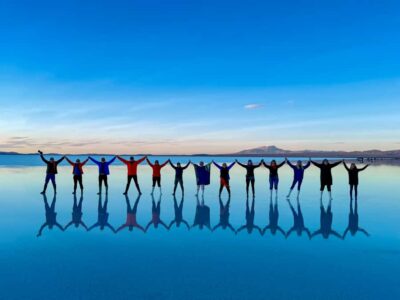
Uyuni Salt Flats and San Pedro de Atacama 3-Day Tour
Read our review →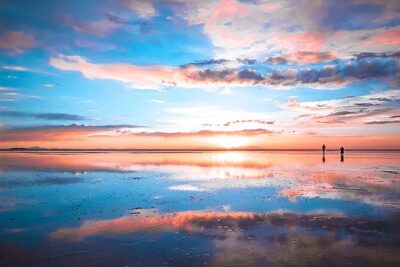
Uyuni Salt Flats 3 Days/ 2 Nights with English Speaking Guide
Read our review →
3-Day Uyuni Salt Flat Tour with Sunset and Red Lagoons
Read our review →Browse the lists this tour appears in