
Reviewed · UYUNI TOURS
From Uyuni: 3-Day Tour to San Pedro with Salt Flats Visit
The great appeal here is the sheer change of scenery: in three long days, you go from rusting locomotives and blinding white salt to flamingo-filled lagoons, smoking geysers, and the volcano-framed border road into Chile. Uyuni’s salt flats are only the beginning, not the whole show.
I like that the tour ends in San Pedro de Atacama instead of returning to Uyuni, and I like that the small 4WD group, limited to 11 people, keeps the trip more personal than a large bus excursion. The price also covers transport, meals, basic lodging, and the border transfer. The catch is comfort: the hotels are very basic, with shared six-bed rooms, shared toilets, cold conditions, and no guaranteed hot water.
Key points to know before booking
- A three-day one-way route: Begin in Uyuni and finish at San Pedro de Atacama’s main square.
- A full salt-flat experience: Visit Colchani, the salt production area, salt eyes, the Salt Hotel-Museum, Dakar Monument, world flags, and Incahuasi Island.
- Wildlife in severe terrain: See Chilean, James, and Andean flamingos around the high-altitude lagoons and Red Lagoon.
- Basic overnight stays: Sleep in shared six-bed rooms at Atulcha Salt Hostel and Huayllajara Hostel, with shared toilets.
- Important extra costs: Budget for park and attraction fees, toilets, border tax, food extras, and personal expenses in Bolivianos.
- A border crossing built into the trip: Guides assist at the Bolivian border before your transfer into Chile.
Why this Uyuni to San Pedro route works so well
This is a practical choice if your South America route runs from Bolivia into northern Chile. Instead of spending another day returning to Uyuni, you cross the high desert and arrive in San Pedro around 1:30 p.m. on the third day. That saves time and gives the journey a clear sense of progress.
You ride in 4WD vehicles, the only sensible way to cover this rough, remote route. The group size is capped at 11, and the English and Spanish-speaking guide travels with you. That matters because the trip is not just a series of photo stops. You need help understanding where to go, when to return to the vehicle, and how the border handoff works.
The $419 price is reasonable for what it bundles. You receive the 4WD transport, driver, guide, two lunches, two dinners, two breakfasts, two nights of lodging, and the transfer into San Pedro. Still, this is not an all-inclusive price. Add the Eduardo Avaroa reserve fee of 150 Bs, the Incahuasi fee of 30 Bs, hot springs entry of 6 Bs, possible border tax of 15 Bs, toilet charges of up to 30 Bs, and your own snacks and drinks. Bring at least 150 Bs for personal spending, and bring Bolivianos only.
A few more Uyuni days to weigh up
- 3-Day Tour to Salt Flats and Lagoons
★ 4.5 · 168 reviews - From Uyuni: Red Lagoon & Uyuni Salt Flats 3-Day Guided Tour
★ 4.4 · 160 reviews - Uyuni: Uyuni Salt Flats and San Pedro de Atacama 3-Day Tour
★ 4.3 · 122 reviews
Day one: rusted trains and the white expanse of Uyuni
Pickup is generally between 10:15 and 10:30 a.m. from your Uyuni hotel, with the tour starting around 10:40 a.m. If you arrive by plane, provide your airline and flight time ahead of time. If your hotel is not on the pickup list, go to the operator’s Uyuni office at the corner of Colón Street and Camacho at 10:00 a.m.
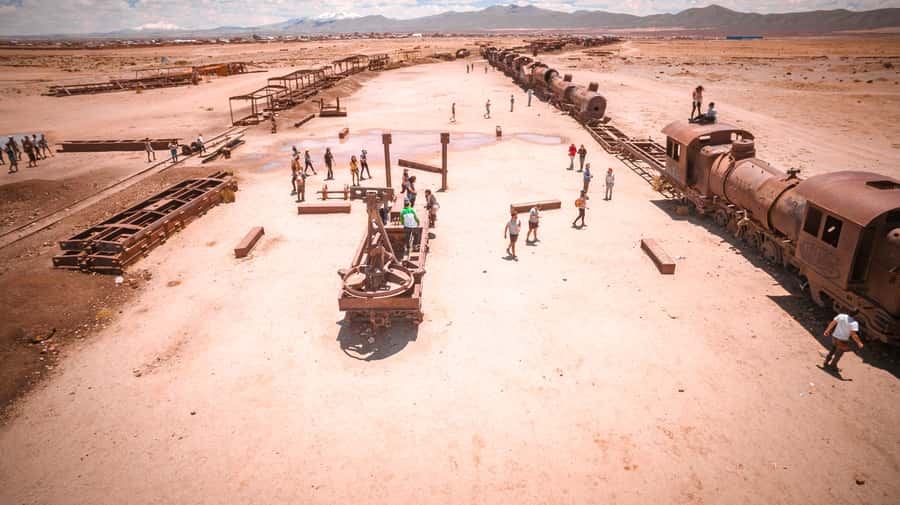
The first stop is the Train Cemetery outside Uyuni. Old locomotives and rail equipment sit exposed to the elements, their metal frames cut against the open sky. It is a short stop, but a good one for photographs. The decaying machinery gives the morning a rough, industrial opening before the route turns toward the salt.
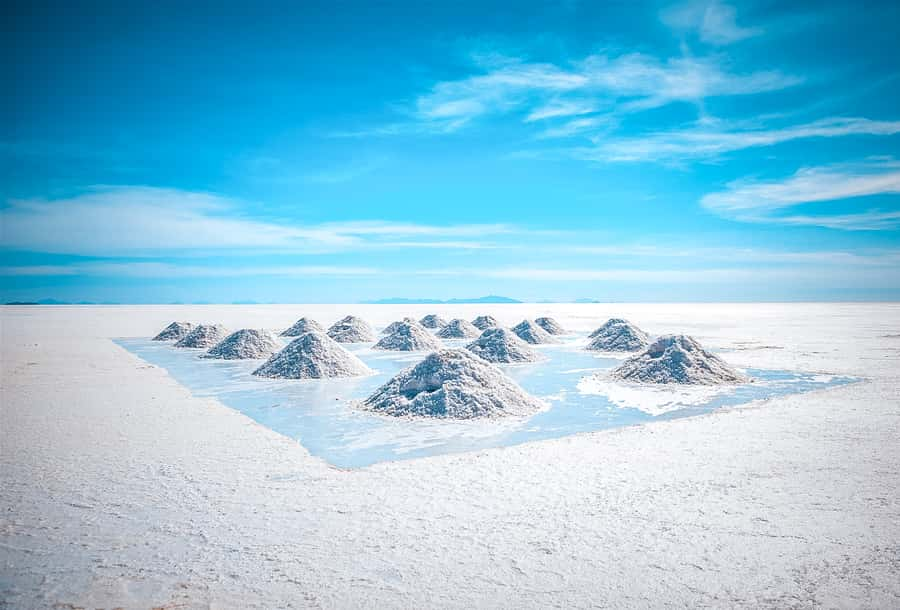
At Colchani village, you see how salt is processed and have time for the small artisanal market and museum. This is useful context. The salt flats may look empty and untouched, but people work around their edges, collecting and shaping the mineral that gives the region its identity.
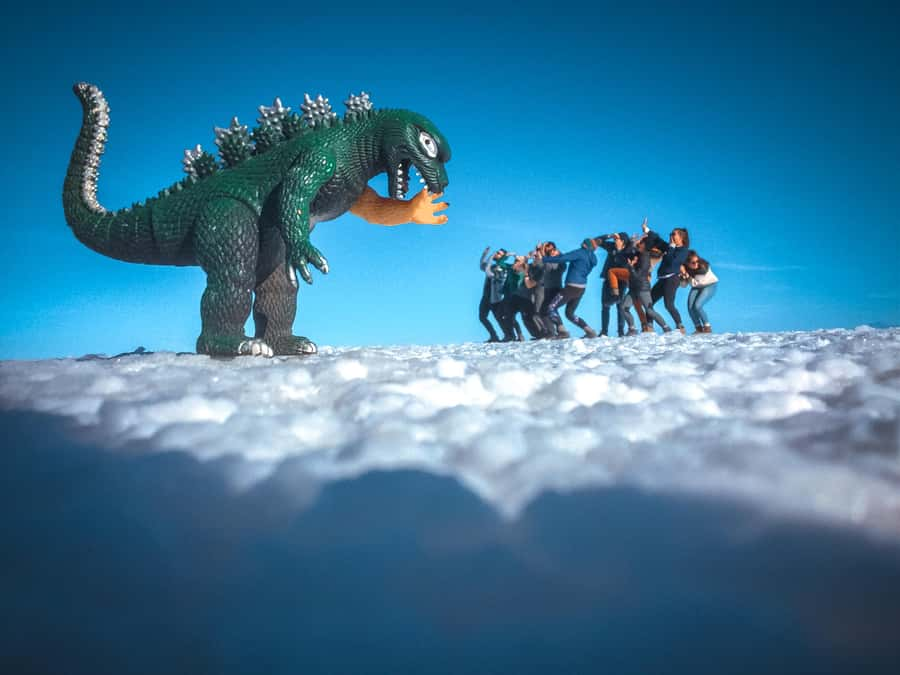
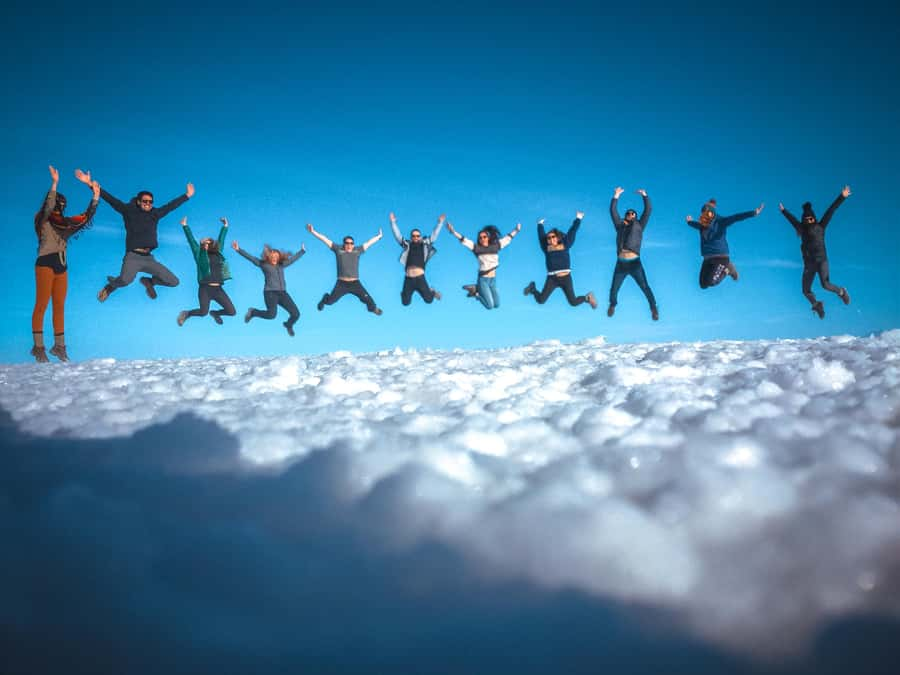
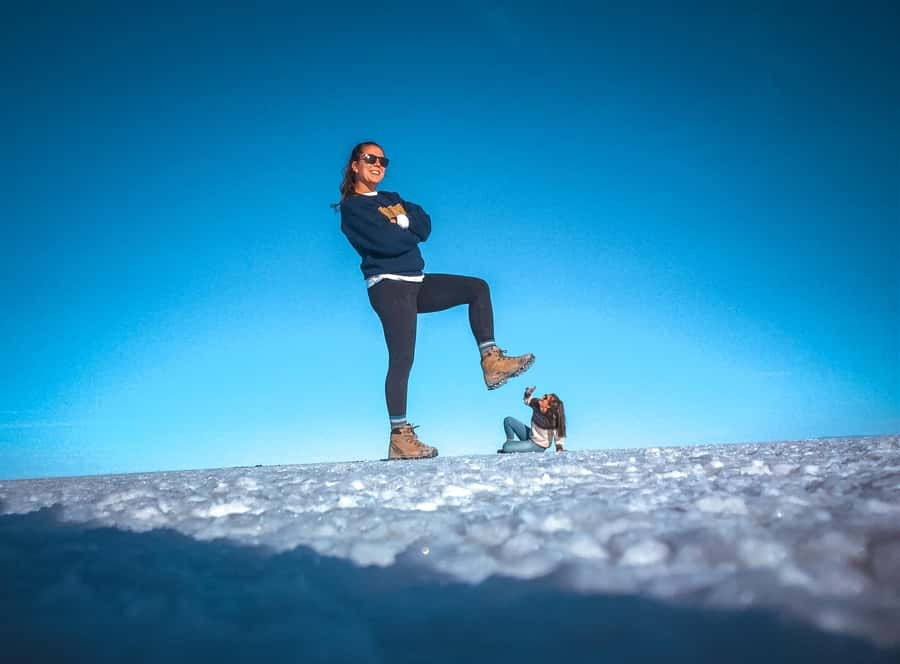
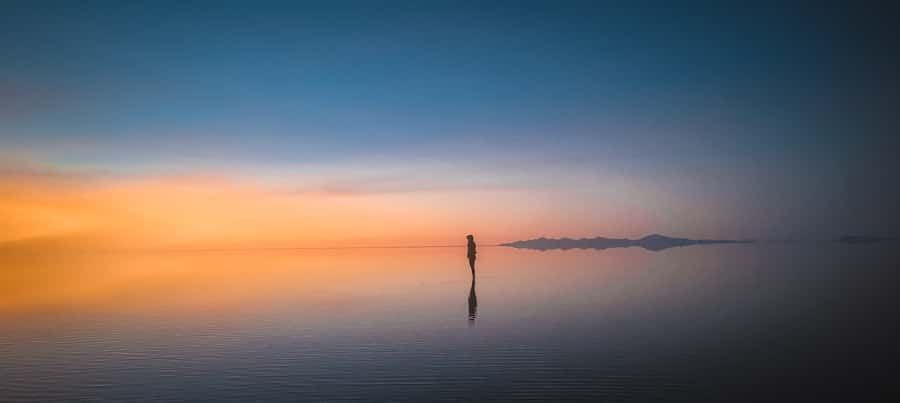
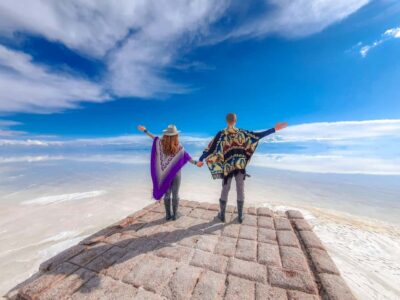
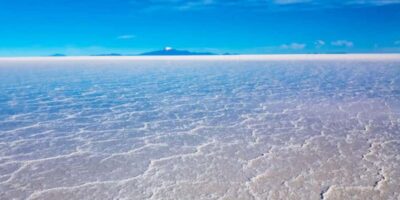
Then comes the main event: the Uyuni Salt Flats, about 3,663 meters above sea level and covering roughly 12,000 square kilometers. The scale is difficult to grasp from a vehicle. On a clear day, the white surface stretches in every direction with almost no visual break. You will want sunglasses, sunscreen, and water. The glare is strong.
The route includes salt eyes, small openings where water and brine appear through the crust. You also stop at the Salt Hotel-Museum, built from salt blocks, as well as the Dakar Monument and a display of international flags. These are tourist stops, but they help break up the huge open crossing.
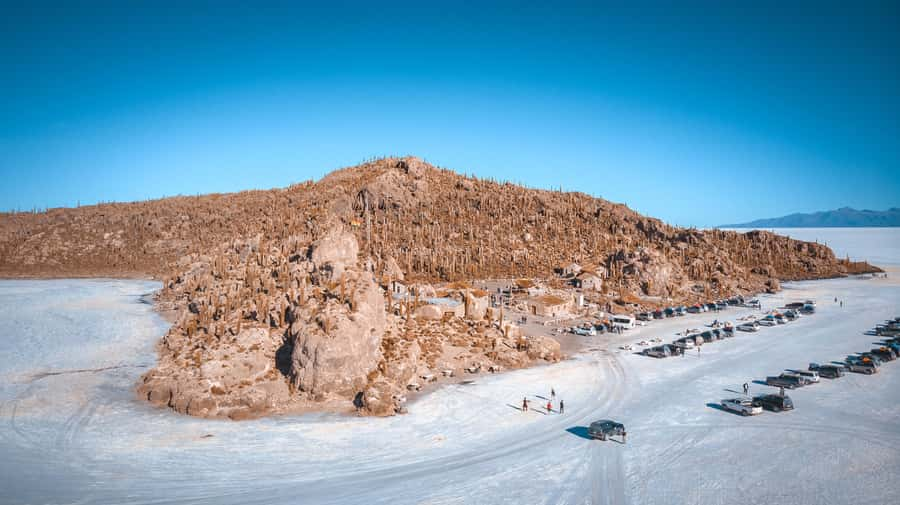
Incahuasi Island brings a change in texture. Giant cacti rise from the rocky island, and from higher points you get a wide view back across the salt. The entrance fee of 30 Bs is not included. During the rainy season, from January through April, access to Incahuasi may not be possible, and the overnight location may change because of road conditions.
The day ends with sunset and a glass of wine before dinner at the salt hostel. This sounds gentle, but remember the altitude and the early start the next morning. Keep your evening simple, drink water, and do not count on a warm, comfortable hotel room.
The first night is at Atulcha Salt Hostel in a shared six-bed room with your Jeep group. Toilets are shared. This is the point where the tour’s low-cost, expedition-style character becomes clear. You get a bed and a meal, but privacy and hotel comforts are limited.
Day two: flamingos, desert rock, and the Red Lagoon
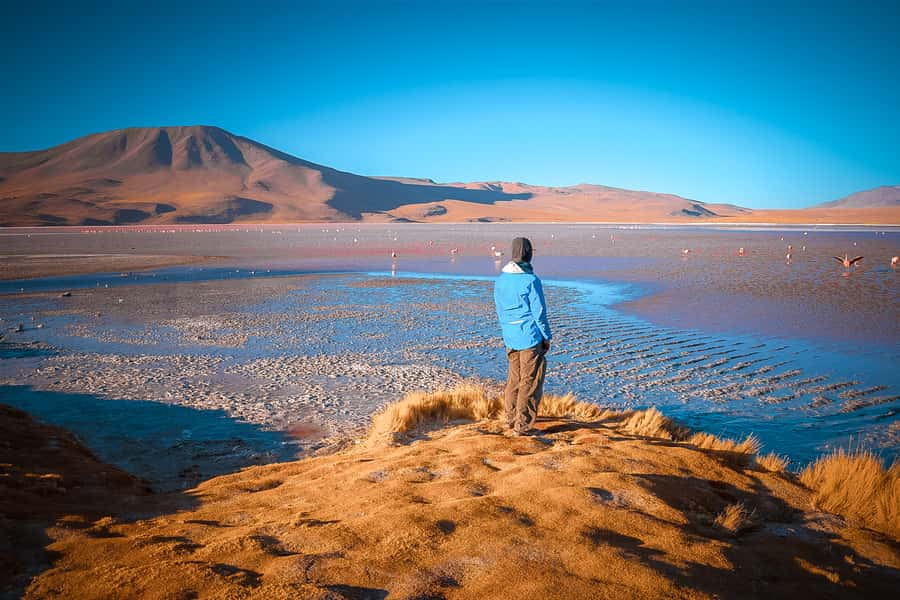
After breakfast, the route leaves the salt flats and enters the stark high-altitude terrain around Chiguana and the Ollagüe viewpoint. The scenery becomes more varied, with volcanic peaks, broad plains, and mineral-colored ground.
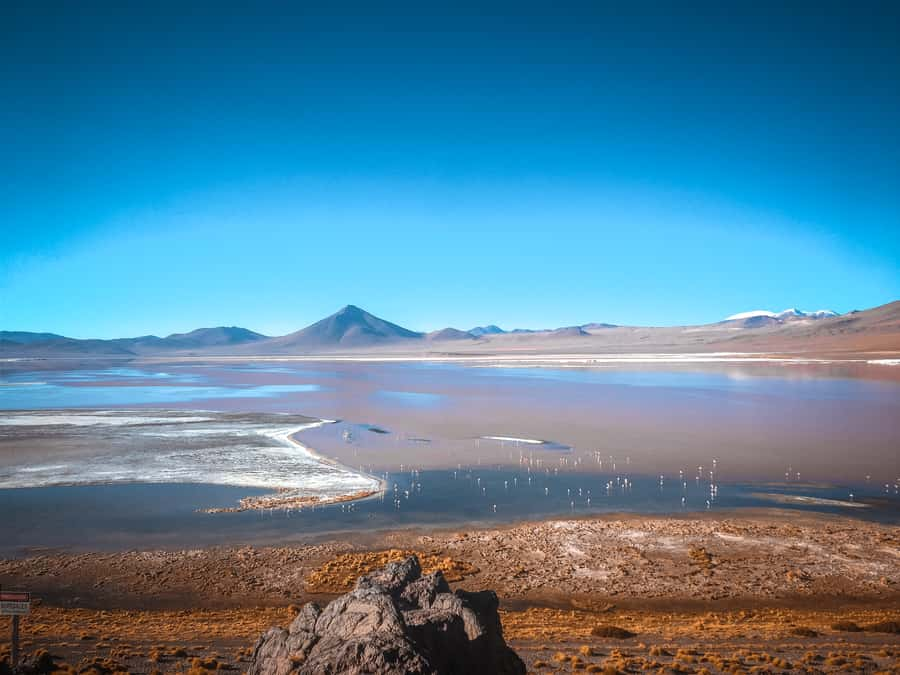
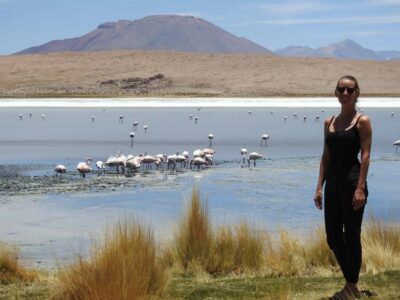
The lagoon stops are the day’s natural highlight. Cañapa, Hedionda, and Chiarcota attract flamingos, which feed in the shallow water. The birds are not decorative extras. They are part of the reason these harsh, seemingly empty places support life. You may see Chilean, James, and Andean flamingos.
Lagoon conditions can vary, but the combination of birds, water, distant mountains, and intense sky makes these stops memorable. You should bring a warm layer even if Uyuni was sunny. Wind and cold can arrive quickly at this elevation.
Lunch comes during the day, followed by the Siloli Desert and its Stone Tree. The rock formation is shaped by erosion, with a narrow base and heavier upper section. It is one of those quick roadside stops that works best when you take a moment to look beyond the required photograph. The desert around it is broad, exposed, and colored by volcanic minerals.
The Red Lagoon is the late-day destination. Its reddish tone comes from the mineral-rich water and the conditions that support large numbers of flamingos. The sight of pale birds against red water and brown desert is unusual, but the setting is also severe. This is not a gentle park visit. You are far from towns, often in cold wind, and moving between stops by rough roads.
That night is at the Huayllajara hostel in another shared six-bed room with shared toilets. Dinner is included. Hot water is not guaranteed, and past conditions have included very cold rooms and minimal hotel facilities. A sleeping bag is not included, so bring one or arrange one separately. Toiletries are also your responsibility.
Day three: geysers before breakfast and the road to Chile
The third day starts very early. That is necessary to reach Sol de Mañana, a geothermal area with fumaroles, bubbling mud, smoking vents, and the strong smell of sulfur. The ground is active, hot, and uneven, so follow your guide and keep a sensible distance from the vents.
The early hour is part of the experience. You reach the geysers when the air is cold and the steam is easy to see. It can also be the toughest morning of the tour. After two nights at altitude and in basic rooms, you may be tired, and the cold can feel sharp.
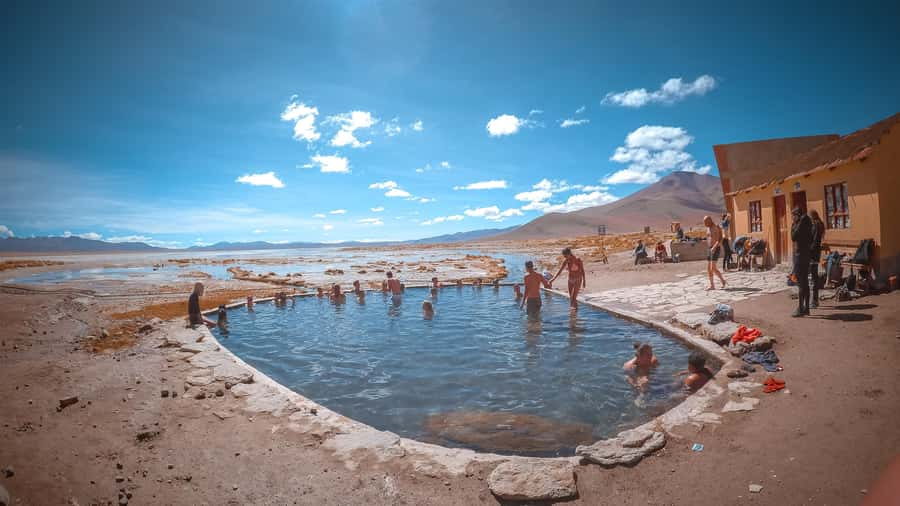
Next comes the Polques hot springs. You can pay the 6 Bs entrance fee and bathe while looking across the high desert. This is a welcome pause after the cold geyser stop, though you should carry dry clothes and keep your belongings organized. The tour does not include toiletries, so pack what you need.
The Salvador Dalí Desert follows, with multicolored rock formations and unusual shapes created by erosion. The name refers to their surreal appearance. The stop is about wide views and strange stone forms rather than a formal attraction with buildings or displays.
At the viewpoint for the Green Lagoon, White Lagoon, and Licancabur Volcano, the trip reaches its final Bolivian scenes. The green and white waters contrast with the volcanic setting, while Licancabur gives the view a strong focal point. This is one of the route’s best final stops because it gathers several distinct sights into one broad panorama.
The border process begins around 10:00 a.m., with the guides assisting you at the Bolivian side before you continue toward Chile. You are responsible for having the correct Chilean visa and entry paperwork. The operator does not take responsibility for visa requirements, so check this before booking.
A Bolivian border fee of 15 Bs may apply. Bring cash. Other currencies cannot be used during the tour, and the border crossing is not the place to discover that your wallet is empty.
You should reach San Pedro de Atacama’s main square around 1:30 p.m. The drop-off is central and convenient for continuing your trip, though your next lodging is not included.
Same corner of Bolivia, a completely different day out:
- Day Trip to Uyuni Salt Flats
★ 4.0 · 602 reviews - La Paz: 5-Day Uyuni Salt Flats by Bus
★ 4.3 · 153 reviews - From Uyuni: Salt Flats Highlights Jeep Tour with Lunch
★ 4.8 · 133 reviews - Uyuni Salt Flats 3 Days/ 2 Nights with English Speaking Guide
★ 4.0 · 91 reviews
What the transport and lodging really mean
The 4WD vehicle is both your transport and your moving shelter for three days. You will cover long distances over rough roads, with repeated stops to walk, photograph, eat, and look around. The small group limit helps, but space can still feel tight when everyone has bags and cold-weather layers.
Meals included are two breakfasts, two lunches, and two dinners. Drinks and snacks are not included, so buy supplies in Uyuni before departure. Carry water, small snacks, sunscreen, lip balm, sunglasses, and extra layers where you can reach them.
The accommodation is functional rather than comfortable. Both nights use shared six-bed rooms with shared toilets, and the group from your Jeep shares the room. One basic overnight stop may be replaced if road access changes, especially during the rainy season.
This trip suits you if you see lodging as a place to sleep between remarkable outdoor stops. It is a poor fit if you need private rooms, reliable hot water, or a flexible sleep schedule.
Altitude, weather, and physical demands
The salt flats sit at high elevation, and the route climbs and remains high across the lagoons, deserts, and geysers. Altitude sickness is listed as a concern, and the tour is not suitable for people with serious altitude problems or back problems. The roads, early starts, cold, and long vehicle days can be demanding.
The tour is also not suitable for people over 95 years old under the stated conditions. That does not mean you need to be athletic, but you should be comfortable walking short distances over uneven ground and coping with cold, wind, glare, and basic accommodation.
Bring your passport or ID card, plus warm clothes, a hat, gloves, sunscreen, sunglasses, water, a sleeping bag, toiletries, and enough Bolivianos. Pets are not permitted.
Who should book this three-day crossing?
I would choose this tour if I wanted the major Uyuni sights and needed to reach San Pedro without arranging a separate transfer. It is especially useful for a Bolivia and Chile itinerary, since the final destination is the main square in San Pedro rather than Uyuni.
I would also choose it if my priorities were scenery, wildlife, and value. The route delivers a lot: salt formations, giant cacti, flamingos, geysers, hot springs, colored lagoons, and a volcano view. The English-speaking guide, driver, meals, and transport remove much of the planning work.
I would hesitate if comfort matters more than coverage. The lodging is basic, the rooms are shared, hot water may be unavailable, and the cold is real. This is a long overland trip, not a relaxed hotel-based holiday.
The overall rating is 4.2 out of 5 from 15 bookings, with especially strong praise for the sights, the guide and driver, and the efficient way the trip connects Uyuni with San Pedro. The consistent caution is the accommodation. That is a fair reading of the experience: excellent scenery and logistics, modest comfort.
Should you book it?
Book this tour if you want a high-value, one-way high-desert adventure and can accept shared rooms, cold nights, early mornings, and extra fees. The route is packed with memorable places, and ending in San Pedro saves valuable travel time.
Skip it if you need privacy, warmth, or a gentle pace. Before paying, confirm your Chilean entry documents, set aside enough Bolivianos for fees and snacks, and pack for real cold. If you do that, the $419 price covers the hard-to-arrange parts of a spectacular crossing.
FAQ
Where does the tour start and finish?
It starts in Uyuni city, Bolivia, and finishes at the main square in San Pedro de Atacama, Chile.
How long does the tour last?
The tour lasts three days. Arrival in San Pedro is scheduled for about 1:30 p.m. on the third day.
What time is pickup in Uyuni?
Hotel pickup is generally between 10:15 and 10:30 a.m., and the tour starts around 10:40 a.m. Airport pickup requires your flight time and airline name in advance.
Is Incahuasi Island always included?
Incahuasi Island may not be accessible during the rainy season from January through April. Road access can also require a different overnight location.
What accommodation is provided?
The first night is at Atulcha Salt Hostel in a shared six-bed room with shared toilets. The second night is at Huayllajara Hostel in a basic shared six-bed room with shared toilets.
What meals are included?
The tour includes two breakfasts, two lunches, and two dinners. Drinks and snacks are not included.
Which fees are not included?
The listed extra fees include 30 Bs for Incahuasi Island, 150 Bs for Eduardo Avaroa Reserve, 6 Bs for the hot springs, up to 30 Bs for toilets, and a possible 15 Bs Bolivian migration tax. Personal expenses are also extra.
Do I need a Chilean visa?
You must arrange any Chilean visa or entry documents yourself. The provider does not assume responsibility for the requirements needed to enter Chile.
Just added around Uyuni
- Uyuni: Classic Uyuni Salt Flats Tour + Hotel Pickup★ 3.0 · 4 reviews
- Uyuni: Salar de Uyuni Traditional Tour+Sunset Tour★ 4.8 · 3 reviews
- UYUNI SALT FLAT: SUNRISE & STARLIGHT EXPERIENCE★ 3.1 · 3 reviews
- UYUNI SALT FLAT: SUNSET & STARLIGHT EXPERIENCE★ 5.0 · 3 reviews
- Uyuni: Full-day tour, Salt flats and Sunset experience★ 4.8 · 5 reviews
- Uyuni: Salar de Uyuni and San Pedro de Atacama 3-Day Tour★ 4.2 · 4 reviews
- Uyuni: 3-Days Salt Flats and Desert Adventure Tour with Food★ 3.8 · 4 reviews
- Uyuni: 2-day tour to the salt flat and altiplanic lagoons★ 3.3 · 3 reviews
Uyuni Tours, compared.
Red Lagoon & Uyuni Salt Flats 3-Day Guided Tour
Read our review →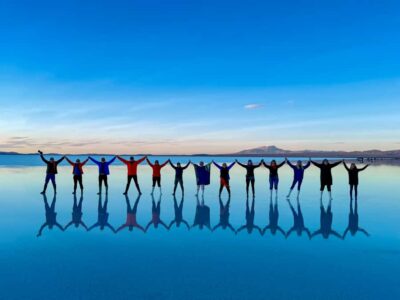
Uyuni Salt Flats and San Pedro de Atacama 3-Day Tour
Read our review →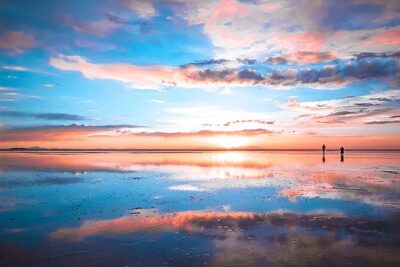
Uyuni Salt Flats 3 Days/ 2 Nights with English Speaking Guide
Read our review →
3-Day Uyuni Salt Flat Tour with Sunset and Red Lagoons
Read our review →Browse the lists this tour appears in