
Reviewed · WALKING TOURS
La Paz and El Alto: Cable Car Rides and Walking Tour
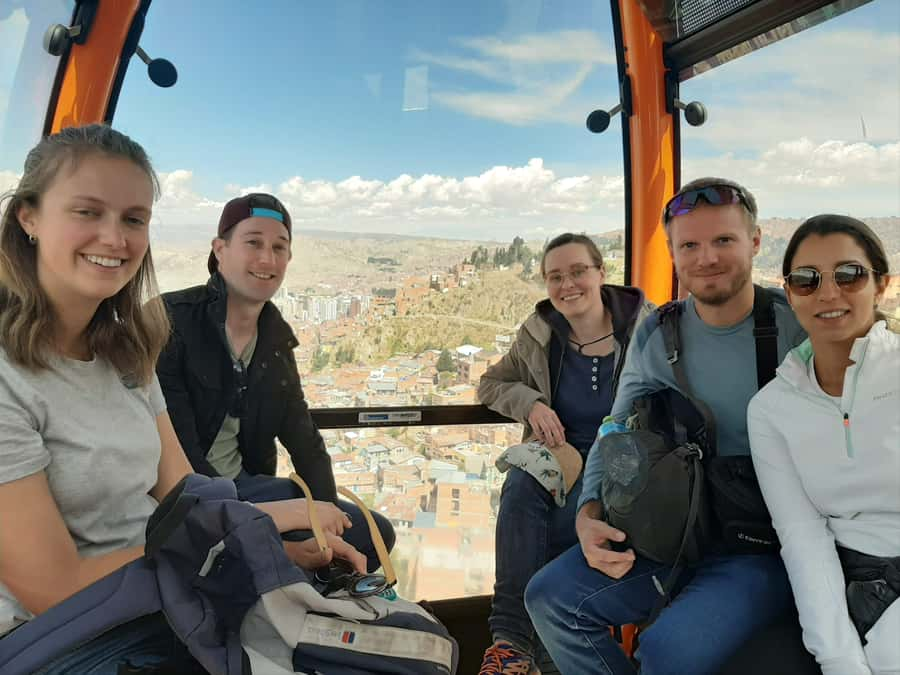
La Paz makes the most sense from above. Its cable cars skim over steep streets, brick neighborhoods, markets, and the high plateau toward El Alto, giving you a quick feel for how this extraordinary city is built. I like the panoramic views and the chance to use public transport as part of the sightseeing, not just as a way to get from point A to point B.
I also like the mix of the Witches’ Market, historic squares, and local markets, followed by Jaen Street and Plaza Murillo. Guides such as Carolina, Luis, Fernando, and Nickey have been praised for clear English and useful advice about food and areas to avoid. The main drawback is the pace: 150 minutes covers a lot, so some stops receive only a short look, and steep walking, heights, and altitude can make the outing tiring.
Key points at a glance
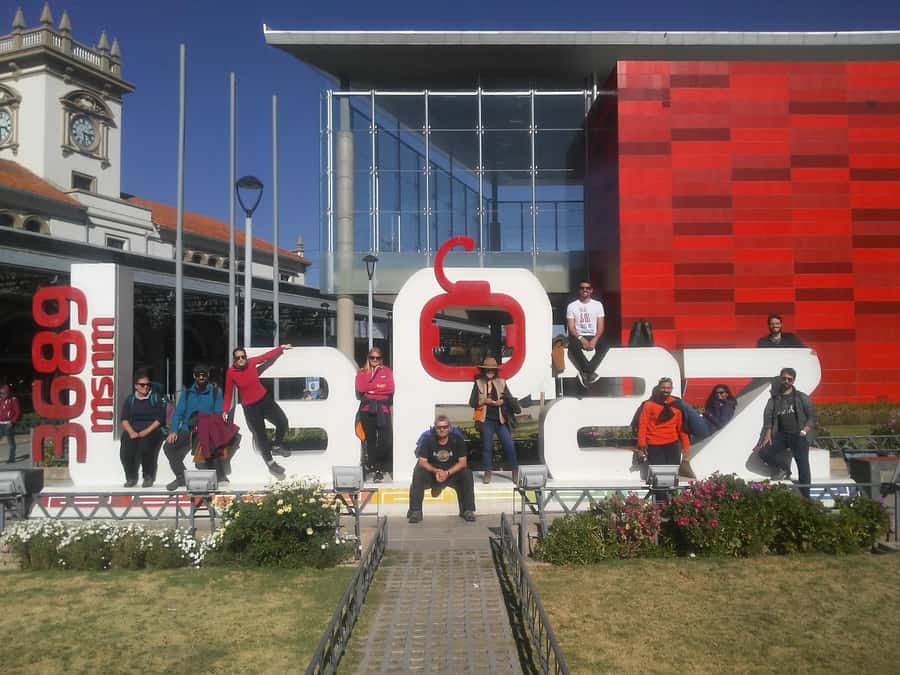
- Cable cars to El Alto: Ride several lines, often including four, for wide views over La Paz and the high plateau.
- Two very different witches’ markets: Compare the tourist-friendly La Paz market with the more active El Alto market, where a ritual may be taking place.
- A useful first-day orientation: The route links major streets, squares, markets, and transport lines in one short outing.
- Guides with local insight: English-speaking guides including Carolina, Luis, Fernando, Marcia, and Nickey explain history, politics, customs, food, and safety.
- Strong value at $10: Cable car tickets and guiding are included, making this an inexpensive way to see several parts of both cities.
- Bring only what you need: Wear comfortable shoes, carry sunglasses and a hat, and leave luggage and large bags behind.
Why the cable car is the heart of the tour
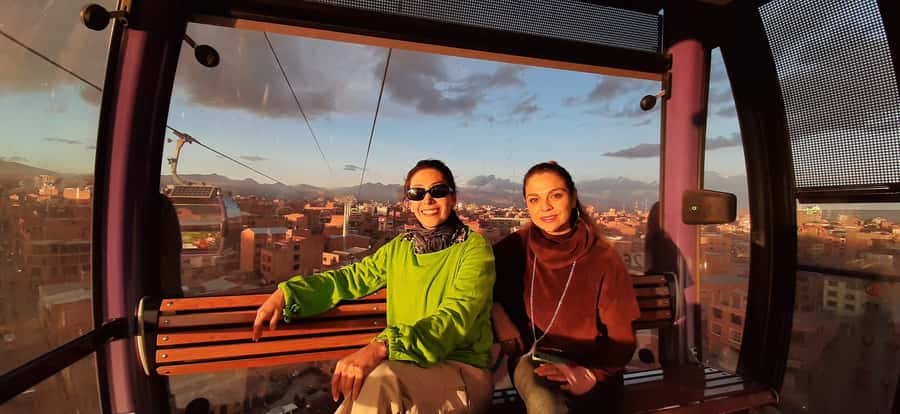
La Paz is not an easy city to read from street level. Roads climb sharply, neighborhoods spread up the sides of a great bowl, and traffic can slow even a short journey. The cable car changes that. From a cabin, you see the city as a whole: steep streets below, dense brick housing, busy commercial areas, and the flatter high ground around El Alto.
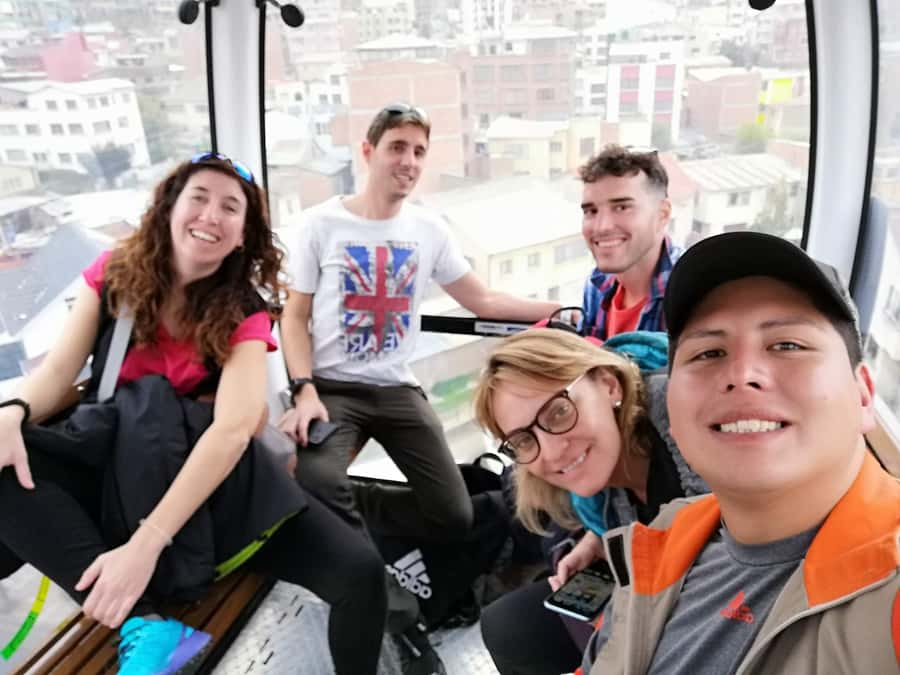
I think this is the strongest part of the experience. You are not simply looking at a view from a lookout. You are riding a working part of the city’s transport system, sharing the route with local residents, and watching the urban pattern change as the cabin moves upward and outward.
The ride also gives you breathing space between walking sections. Several guides have used multiple lines, with some outings covering four cable car lines. That makes the trip feel bigger than a standard old-town walk, although the exact route can depend on timing and the operating plan for the day.
The height is real. If you are afraid of heights or uncomfortable in enclosed cabins, this is not a good match. The cable cars are a highlight for most people, but they are not a minor part of the outing that you can simply ignore.
More cable car rides over La Paz:
- La Paz: Private City Tour with Cable Car & Moon Valley Visit
★ 4.9 · 508 reviews - La Paz: Cable Car, Cemetery, Shaman, and El Alto Tour
★ 4.7 · 218 reviews - La Paz: Cable Car Ride Tour with Food Tasting
★ 4.2 · 5 reviews
Meeting at San Francisco Church
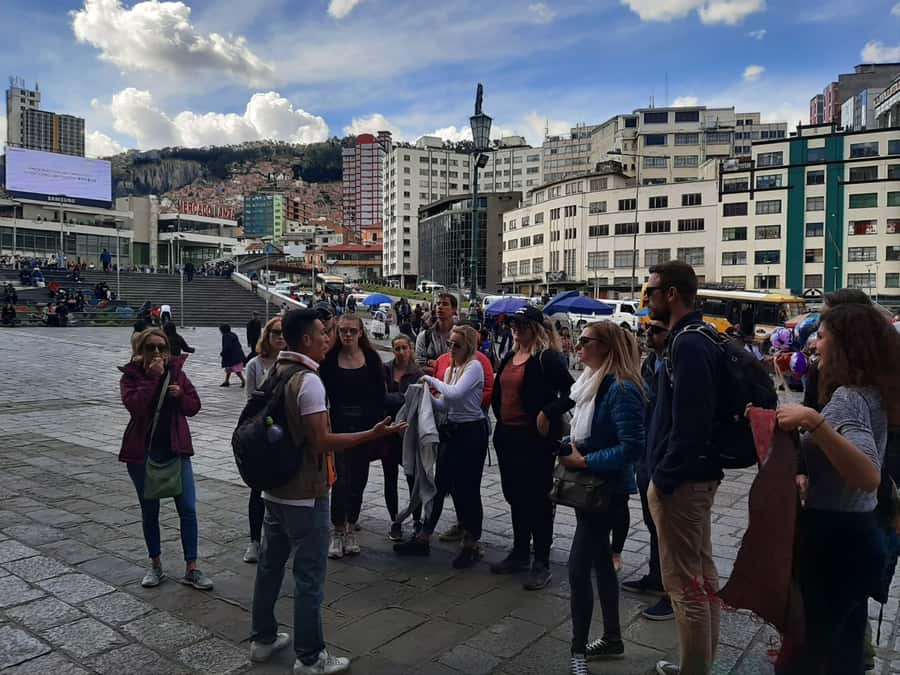
The tour begins at the main door of San Francisco Church. Look for a guide wearing a beige vest with orange pockets and the Hanaqpacha Travel logo on the back. This clear meeting point is useful in central La Paz, where streets and markets can feel confusing during your first hours in the city.
San Francisco Church also gives the outing a fitting start. From here, you are close to several of the old city’s main sights and commercial streets. Your guide sets the tone by walking rather than rushing you directly to a vehicle or station.
The activity lasts about 150 minutes, or two and a half hours. That is enough time for a strong introduction, but not enough for long museum visits or extended shopping. I would treat it as an orientation tour, then return later to any place that deserves a slower look.
The route includes walking on uneven streets and some steep hills. One useful feature is the way the walking is broken up by cable car rides, so you are not climbing continuously on foot. Still, comfortable shoes matter more here than stylish footwear.
The La Paz Witches’ Market
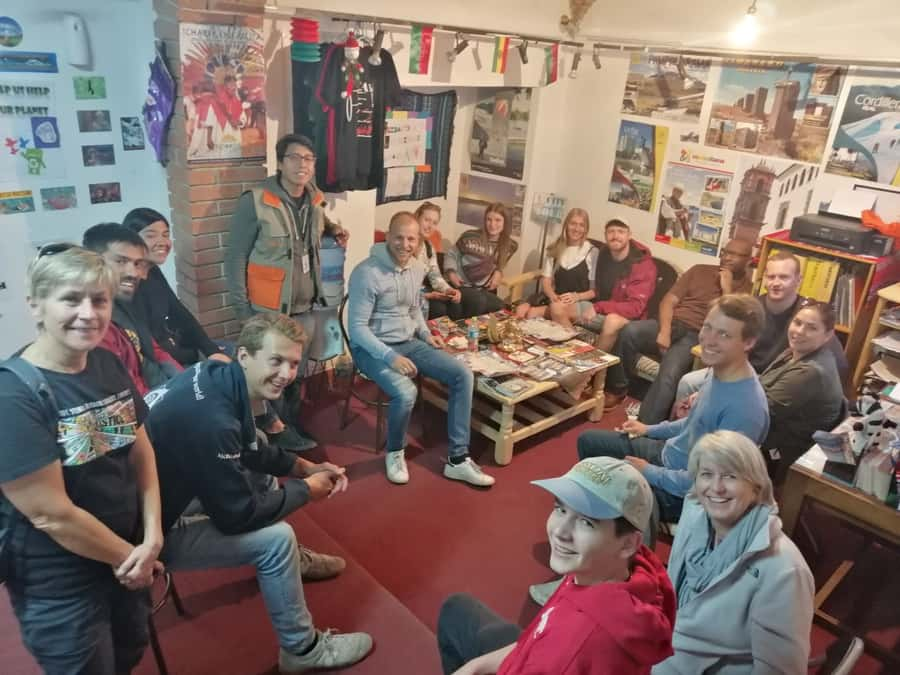
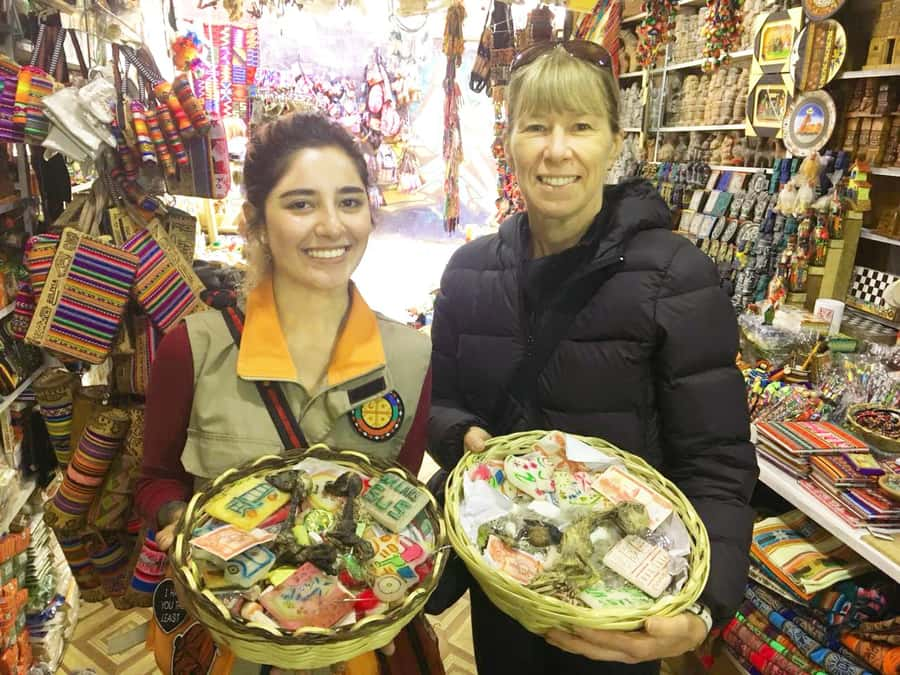
The first major stop is the Witches’ Market in La Paz. It is a place to see Andean spiritual traditions presented through stalls, objects, and explanations from your guide. The stop is more useful when someone explains the meaning behind what you are seeing, since the market can otherwise look like a row of unusual souvenirs.
Your guide can help you understand the difference between a display made for curious shoppers and a practice with local cultural meaning. That context is one of the reasons I prefer visiting with a guide. You can ask direct questions without treating the market as a stage set.
Allow yourself a little restraint here. The tour includes the market as part of a wider route, so you may have time to browse but not enough for a long shopping session. If you want to buy something, decide quickly and keep your bag small. Large bags are not allowed on the activity.
The La Paz market is also a good place to notice how tourism and local custom meet. Some stalls are clearly aimed at visitors, while the ideas behind the objects connect to beliefs that remain part of everyday life. The guide’s explanation is more valuable than simply taking photographs.
San Pedro Square and the prison story
The walk continues toward San Pedro Square, where you learn about the infamous San Pedro Prison. This is a brief historical and social stop rather than a formal prison visit. The value lies in hearing the story and understanding how it fits into La Paz’s reputation and city life.
Not every part of the walking route will appeal equally to everyone. Some people find the cable cars and witches’ markets more memorable than the less famous squares. I would still keep this stop in the schedule because it adds a harder, less decorative side of the city.
Your guide is especially useful here. Several guides have been praised for explaining politics, social issues, and Bolivian history in clear English. That wider context helps keep the tour from becoming a checklist of photo stops.
More walking tours in La Paz:
- La Paz Half-Day Walking Tour
★ 4.8 · 591 reviews - Walking city tour La Paz
★ 3.9 · 25 reviews - La Paz: Street Food Walking Tour
★ 3.3 · 6 reviews - Walking tour in Sucre: History, Culture & Amazing Views
★ 4.8 · 79 reviews
Riding upward to El Alto
From the first cable car station, you ride toward El Alto. This is where the experience shifts from historic La Paz to a different urban setting. The cabin provides a broad view as the city changes below you, and your guide points out areas and explains what you are seeing along the way.
The ride is also practical. You avoid some of the traffic and steep roads that define movement through La Paz, while gaining a better sense of the connection between the two cities. The cable car is not a theme-park attraction. It is a normal part of urban life, which makes the journey feel grounded.
Several guides have made the ride especially useful by discussing safe areas, places to eat, museums, and neighborhoods worth avoiding. That advice can be valuable early in a Bolivia trip, when you are still learning how to move around La Paz.
The high altitude deserves attention. La Paz and El Alto are both very high, and this outing includes walking as well as transport. If you are already dealing with altitude sickness, postpone the tour. You will get more from the explanations and views when you can walk and listen comfortably.
El Alto’s witches’ market
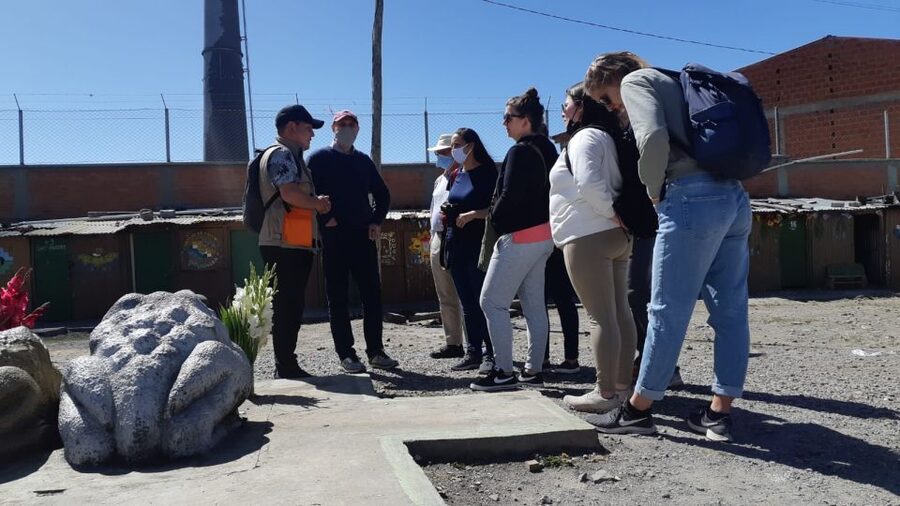
The El Alto Witches’ Market differs from the one in central La Paz. The market may feel less polished and more directly tied to active ritual practice. On some days, a witch doctor may be performing a ceremony, giving you a chance to see a living custom rather than only a market display.
This is one of the more unusual parts of the route, but it requires respect. Listen to your guide, follow instructions, and avoid treating a ritual as a performance arranged for a camera. The experience is interesting because it is less predictable than the La Paz market.
The stop may be brief. You are making a city circuit, not spending an entire afternoon in El Alto. That is a fair trade if your goal is to compare the two markets and get a first sense of the area.
I also like that the route does not keep you inside the tourist center. Reaching El Alto gives the outing a broader social range and shows how the cable car connects places that can otherwise feel far apart.
Returning through Jaen Street and Plaza Murillo
After El Alto, you take another cable car route back toward La Paz. The return ride gives you another angle on the city, and the changing views help reinforce the geography you have just crossed. If your outing uses four lines, the transport itself becomes one of the main parts of the tour rather than a quick link between stops.
Back in La Paz, the walk includes beautiful Jaen Street. Its colonial character offers a calmer contrast to the markets and transport stations. This is a good stretch for noticing the city’s older architecture and for asking your guide about places to visit later.
The final major stop is Plaza Murillo, La Paz’s main square and its Kilometer 0. You can look toward the cathedral and government buildings, then continue through open-air markets and shops before finishing at San Francisco Church.
Plaza Murillo gives the tour a clear ending because it brings together history, government, religion, and public life. It also helps you place the earlier stops on a mental map. After the cable car rides and high-altitude views, the square brings you back to the center of La Paz.
Guides make the $10 price worthwhile
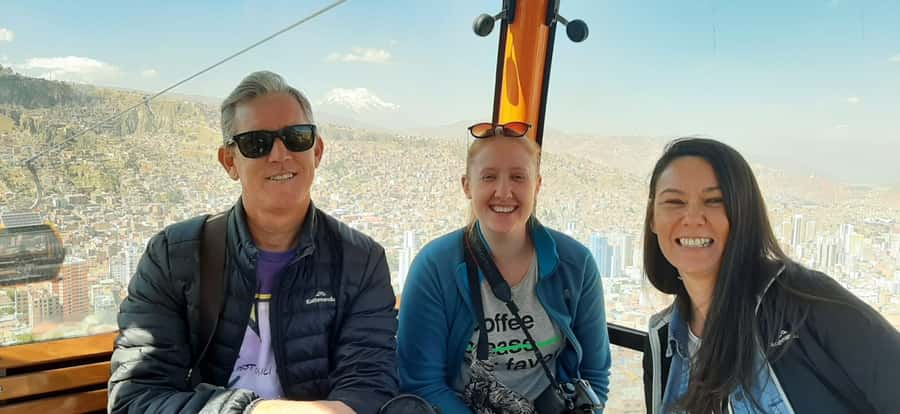
At $10 per person, this is unusually good value if the route runs as described. The price includes the guide and cable car tickets, so you are paying for several connected experiences rather than a single short ride.
The biggest value is the combination of transport and interpretation. You could ride the cable cars on your own, but you would miss much of the explanation about neighborhoods, history, culture, and social issues. You could also walk to the markets, but the route would be slower and less coherent.
Guide quality matters. English-speaking guides named in the tour include Carolina, Luis, Fernando, Nickey, Marcia, Fabián, Veronica, and others. Strong guide reports focus on clear explanations, patience, local tips, and the ability to answer questions. The experience can feel quite different depending on who leads it, but the repeated praise for language skills and city knowledge is a good sign.
The price does not include hotel pickup or drop-off. You need to reach San Francisco Church yourself and make your own way onward after the finish. That is easy to plan around if you are staying in central La Paz, but less convenient if you are based farther out.
Free cancellation up to 24 hours before the start and the option to reserve now and pay later add useful flexibility. The tour runs rain or shine, so check the forecast and dress for changing conditions rather than assuming clear weather.
Who should book this experience?
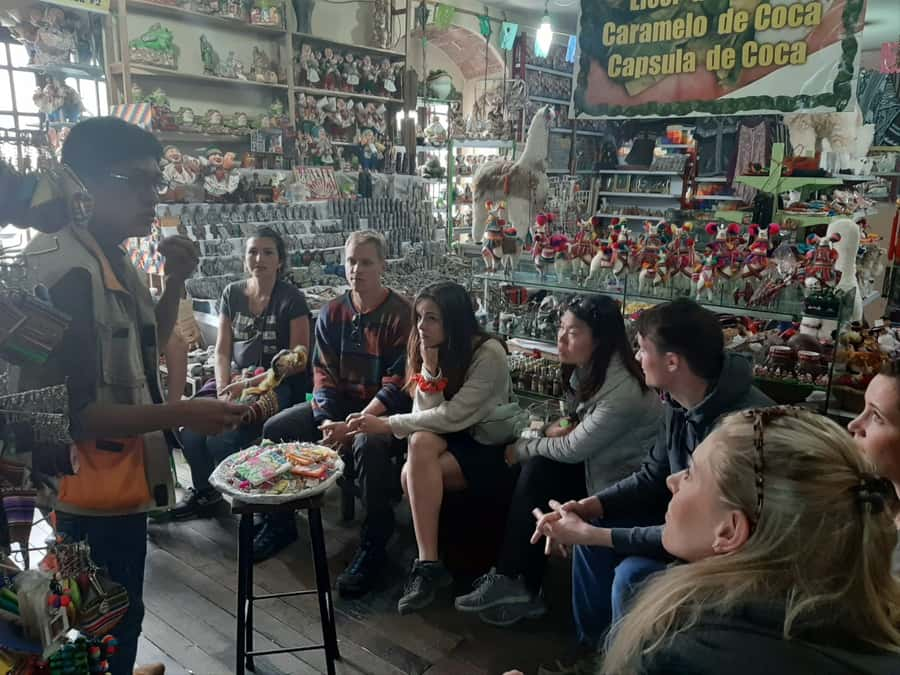
I would choose this tour for a first afternoon in La Paz, especially if you want an overview before exploring individual museums, markets, and neighborhoods on your own. It works well for solo visitors, couples, and families with older children who can manage hills and altitude. A family with children aged 10, 13, and 15 found the pace workable, with the cable cars adding variety to the walking.
It also suits you if you want practical local advice. Guides have helped people choose places to eat, understand which areas to avoid, and plan later visits to museums and other sights. The tour is social without requiring a full day commitment.
I would skip it if you have claustrophobia, a strong fear of heights, or altitude sickness. You should also think twice if you want a slow, detailed look at every stop. The route covers a lot in two and a half hours, and some locations will receive more explanation than free time.
Bring comfortable clothes, walking shoes, sunglasses, and a sun hat. Leave large luggage behind, and do not plan on carrying food or drinks in the vehicle. The simplest approach is to carry only a small personal bag and keep your hands free for the cable car rides.
My verdict on the La Paz and El Alto route
I would book this tour if I wanted a fast, affordable introduction to both La Paz and El Alto. The cable cars are the main draw, but the route earns its price by adding the two witches’ markets, San Pedro Square, Jaen Street, Plaza Murillo, and a guide who can explain what connects them.
It is not a slow cultural study or a private deep look at each neighborhood. It is a brisk city sampler with excellent views and strong practical value. For most people, that is exactly what makes it useful: you get your bearings, learn how the city works, and leave with better ideas for what to explore next.
FAQ
How long does the tour last?
The tour lasts 150 minutes, or about two and a half hours.
What is the meeting point?
Meet your guide by the main door of San Francisco Church in La Paz.
How do I identify the guide?
The guide wears a beige vest with orange pockets and the Hanaqpacha Travel logo on the back.
Are cable car tickets included?
Yes. Cable car tickets and the tour guide are included in the price.
Does the tour include hotel pickup?
No. Hotel pickup and drop-off are not included.
Which languages are available?
The tour is offered in English and Spanish.
Does the tour visit El Alto?
Yes. You take a cable car to El Alto and visit the El Alto Witches’ Market before returning toward La Paz.
What should I bring?
Bring comfortable shoes, sunglasses, a sun hat, and comfortable clothing.
Can I bring luggage or a large bag?
No. Luggage and large bags are not allowed.
What if it rains?
The tour operates rain or shine, so dress for the weather and be prepared for outdoor walking.
Just added around La Paz
- Private Tour of Tiwanaku Ruins from La Paz★ 5.0 · 3 reviews
- Private Tiwanaku and Titicaca Day Trip from La Paz★ 4.8 · 3 reviews
- La Paz: Uyuni tour ending in Atacama Chile by bus.★ 3.9 · 3 reviews
- From La Paz: Lake Titicaca and Copacabana Private Tour★ 5.0 · 5 reviews
- LA PAZ: GUIDED TOUR CHACALTAYA + VALLEY OF THE MOON★ 3.6 · 3 reviews
- La Paz: The Feminist Tour★ 5.0 · 3 reviews
- Titicaca Lake: Highlights Tour from La Paz by Bus★ 4.0 · 3 reviews
- From La Paz: Trip to Uyuni Salt Flats with Wine at Sunset★ 4.4 · 4 reviews
Walking Tours, compared.

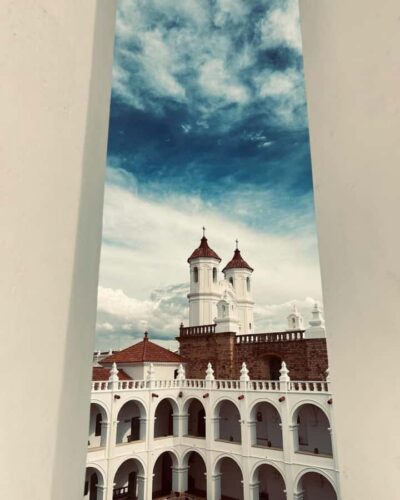
Walking tour in Sucre: History, Culture & Amazing Views
Read our review →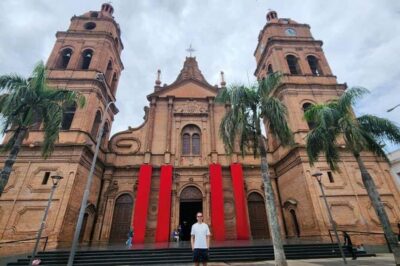
Walking tour – A journey through the History of Santa Cruz
Read our review →
Free Walking tour (History, culture and traditions)
Read our review →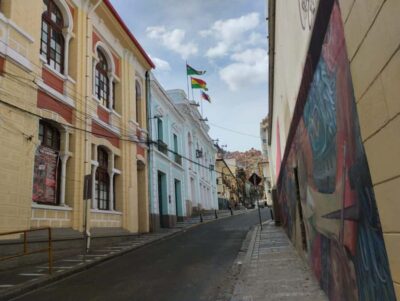

Browse the lists this tour appears in