
Reviewed · LA PAZ TOURS
From La Paz: El Alto and Cholets Guided Day Trip
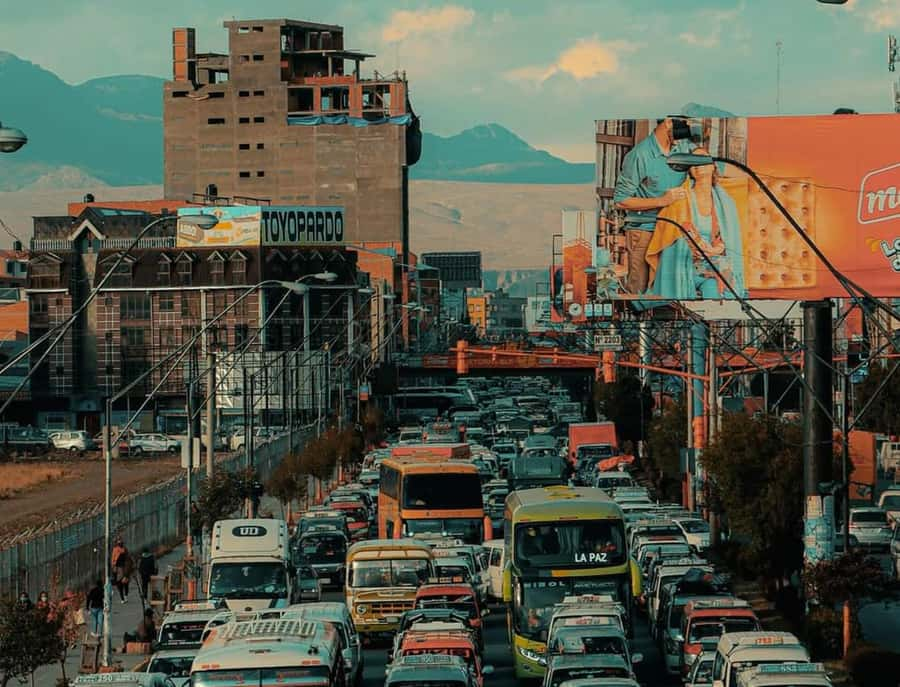
El Alto’s cholets are not shy buildings. Their bright colors, wild shapes, and polished interiors turn private homes into public statements about Andean identity, success, and pride. This three-hour tour takes you from La Paz up by cable car, then into El Alto to see the style at close range.
I like the cable car ride, which gives you a quick view of both cities without wasting time in road traffic. I also like the chance to visit two cholet interiors, since the outsides only tell half the story. The main caution is simple: interior access is not guaranteed. One recent outing could not enter a cholet, and delays with the guide and taxis made the tour run late.
- Cable car from La Paz to El Alto: See the city rise toward the high plateau while your guide explains what you are looking at.
- Cholet architecture: Learn how these extravagant homes combine Andean motifs, bright paint, business, family life, and social ambition.
- Possible interior visits: The plan includes two colorful cholets, but open access can change on the day.
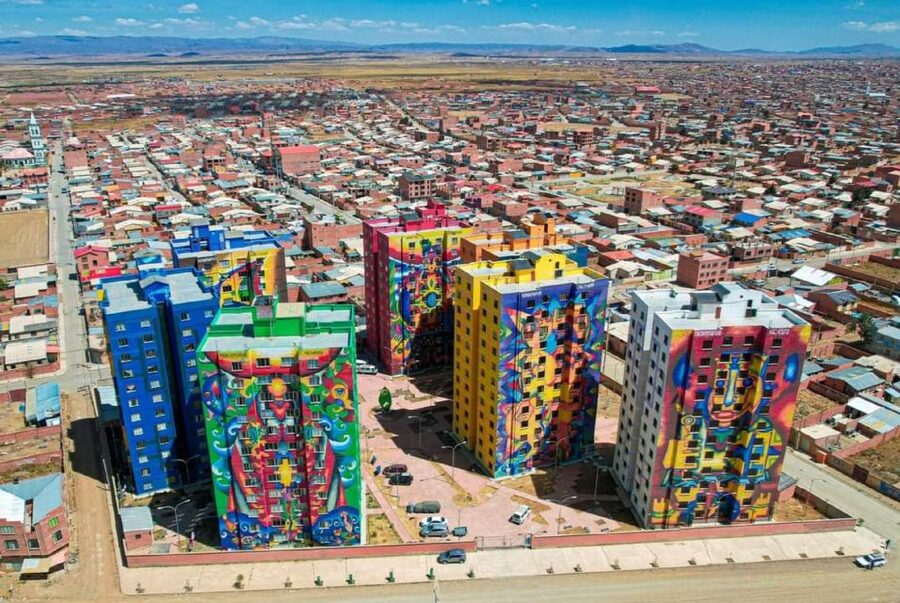
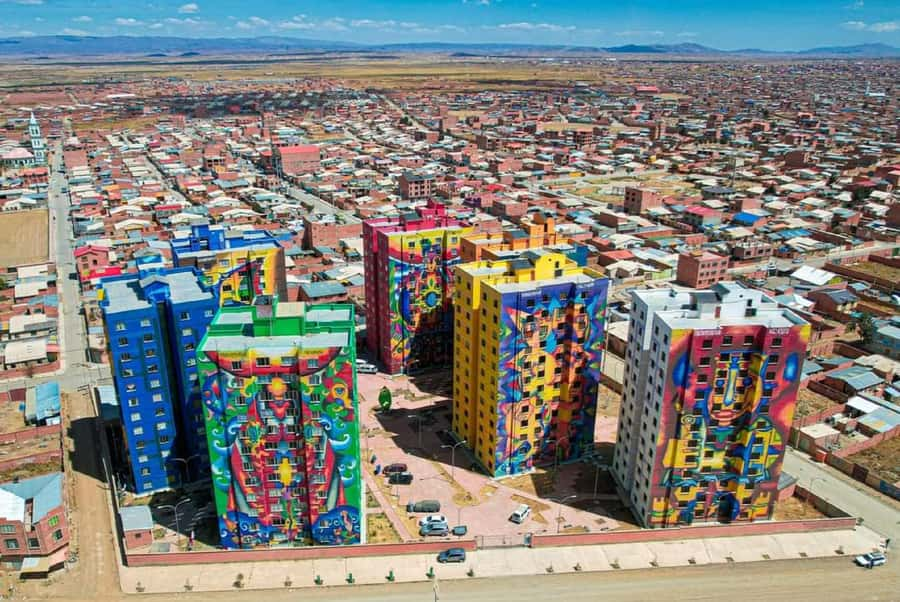
- Mamani Mamani’s art: View apartment buildings decorated with large indigenous-inspired designs by the well-known Bolivian artist.
- Small group format: With no more than nine participants and a guide in English or Spanish, the outing should feel more personal than a large bus tour.
- Three-hour city outing: The compact schedule works well if you want a focused look at El Alto rather than a full-day excursion.
Why El Alto’s cholets are worth your morning
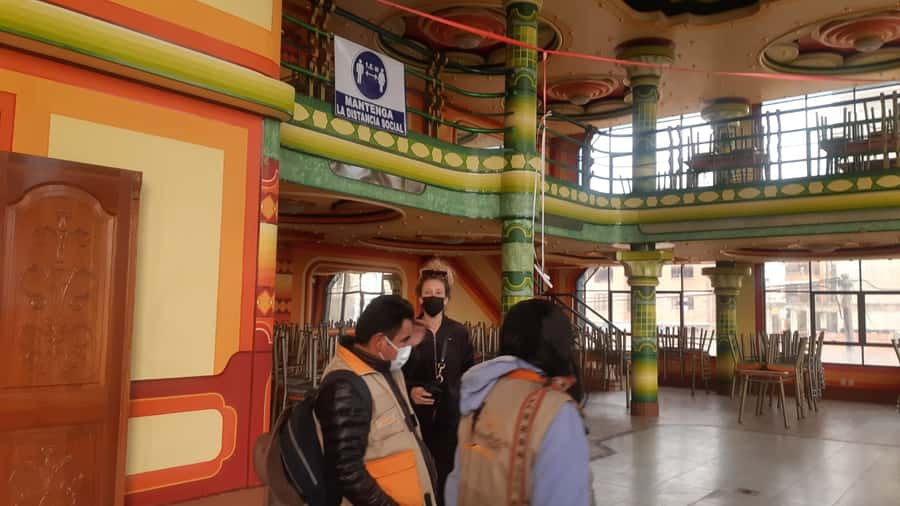
A cholet is more than an unusually painted house. The name joins chalet with Chola, referring to the Andean cultural identity associated with many of the people who built these homes. In El Alto, the style has become a bold form of architecture shaped by money, family, heritage, and public display.
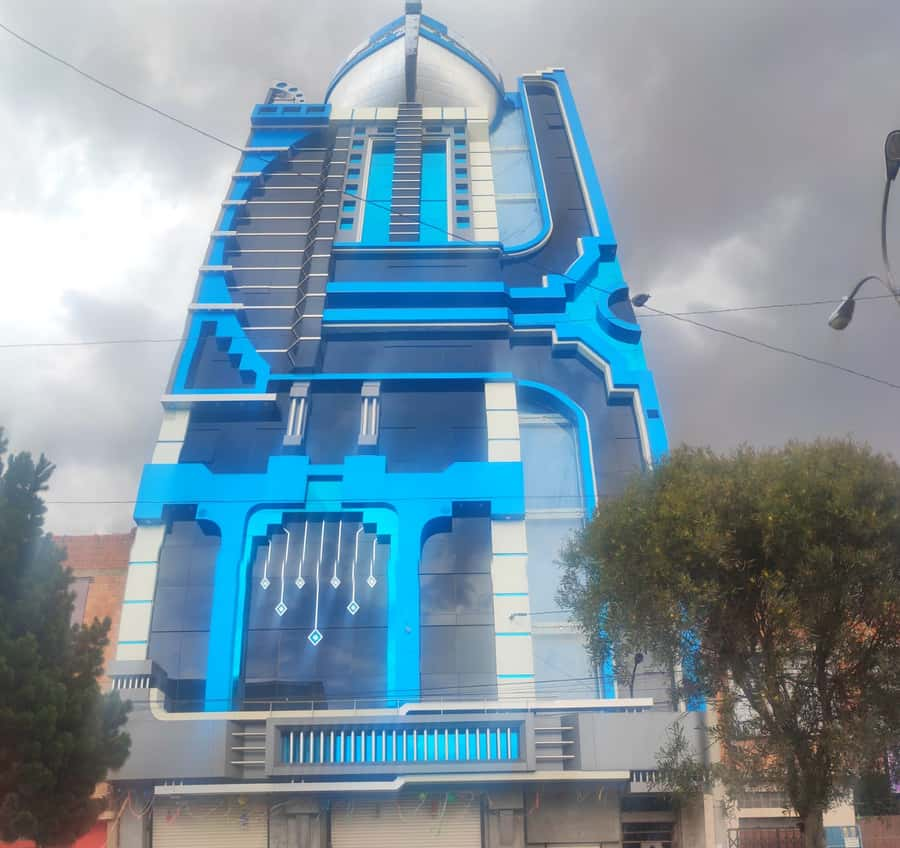
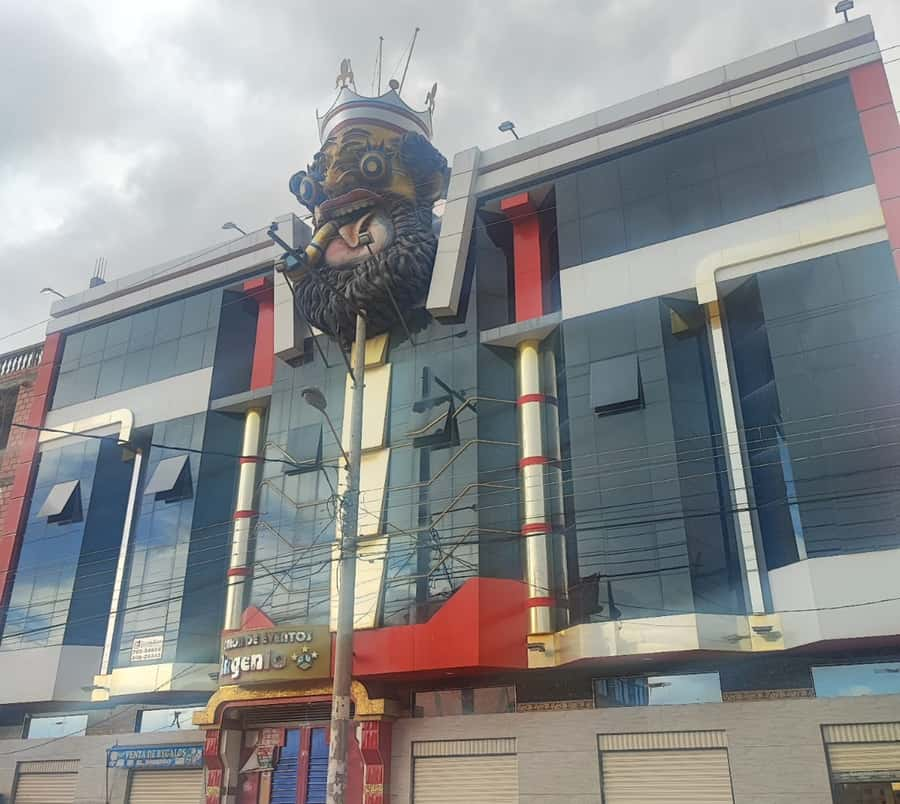
You will see buildings with strong geometric patterns, glowing colors, unusual balconies, and decorative details that do not fit the usual idea of a quiet residential home. Some are homes, some include event spaces or commercial areas, and the full effect can be hard to grasp from a passing taxi window.
That is where a guide helps. On this tour, you are not simply collecting photos of strange-looking buildings. You are given a basic explanation of why cholets matter and how the style developed in Bolivia. The history and social context turn the architecture from a photo stop into something you can read.
I like that the tour places the cholets within everyday El Alto rather than treating them as isolated curiosities. You see the city by public transport, ride the same cable car system used by local residents, and move through an urban setting that feels connected to real life.
Still, keep your expectations practical. This is a short introduction, not an architectural course. The quality of the visit depends heavily on your guide’s explanations and on whether the selected cholets are open.
Meeting at San Francisco Church in La Paz
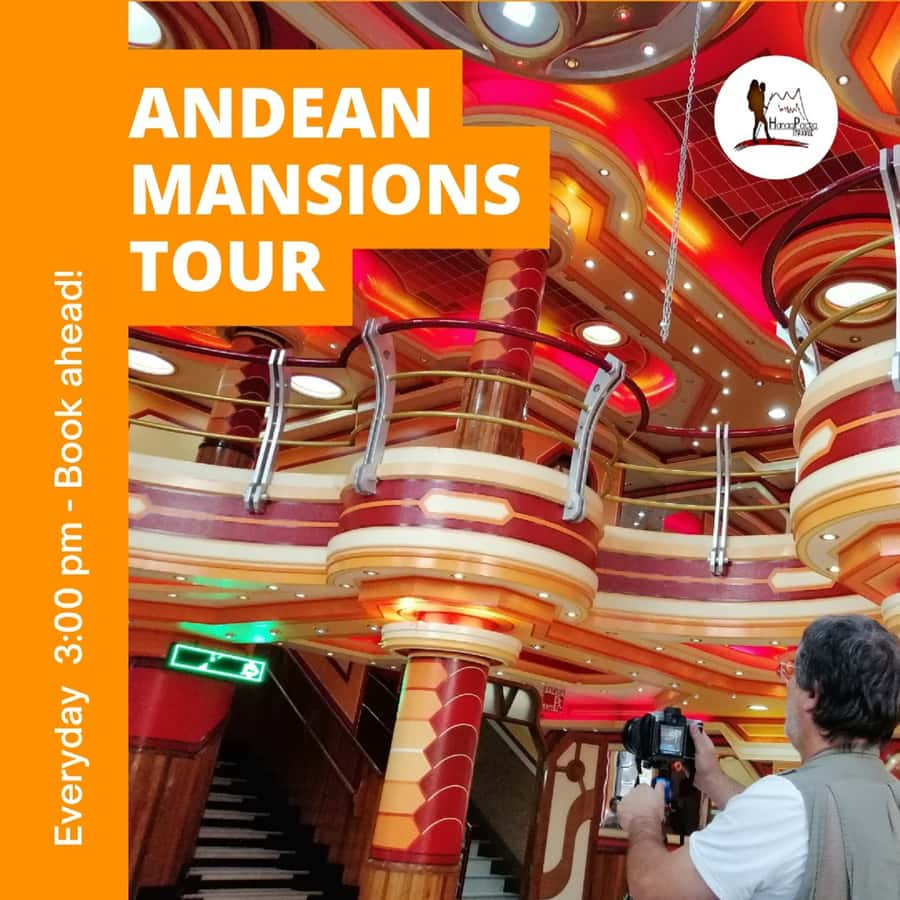
The tour begins at the main door of San Francisco Church in La Paz. Look for a guide wearing an orange and beige vest with the HanaqPacha Travel logo on the back.
This meeting point is central and easy to identify, but do not arrive at the church expecting hotel pickup. You need to make your own way there. The tour also ends back at the original meeting point, so you can plan the rest of your day around central La Paz.
The group is limited to nine people. That size matters here because the tour uses public transport and visits places where a large group would be awkward. It also gives you a better chance to ask about the buildings as you go.
Guides lead the tour in English or Spanish. Abraham has guided this route and was praised for explaining El Alto and cholets clearly. Another guide was described as calm and friendly, with useful information about local traditions. At the same time, one outing began about 20 minutes late, so I would not schedule an important reservation immediately after the tour.
A few more La Paz days to weigh up
- La Paz: Full Day Trip to Copacabana and Isla del Sol
★ 4.5 · 400 reviews - From La Paz: 4-Day Trip to San Pedro de Atacama w/Salt Flats
★ 4.2 · 109 reviews - From La Paz: Day Trip to Chacaltaya and Moon Valley
★ 4.4 · 65 reviews
The cable car ride up to El Alto
From the church, you use public transportation to reach the central cable car station. Cable car tickets and other public transport for the activity are included in the price.
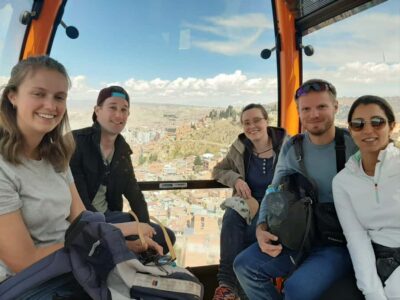
The ride is one of the strongest parts of the outing. As the car climbs, you get wide views over La Paz, with its dense buildings packed into steep folds of the city. The trip also gives you a sense of the sharp change between La Paz below and the broad, high setting of El Alto above.
You may spot cholets from the cable car, though the exact views depend on the route, weather, and position of your cabin. Keep your sunglasses and camera ready, but also listen to the guide. The value of this ride is not just the view. It shows how the two urban areas connect and gives you a useful sense of scale before you begin walking around El Alto.
The cable car is shared public transport, not a private sightseeing ride. You should expect a working transit system rather than a quiet tourist attraction. That is part of its appeal, but it also means the pace can be affected by waiting, transfers, and normal city traffic.
One participant reported waiting more than 30 minutes for a taxi later in the outing. That appears to have been an operational problem rather than a planned feature, but it is worth leaving some room in your schedule. A three-hour estimate is best treated as a target, not a hard guarantee.
Seeing cholets from the street
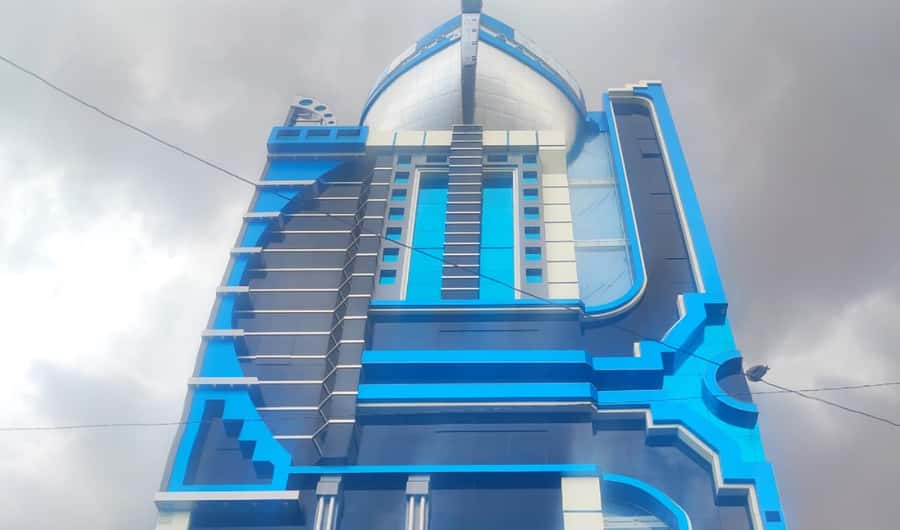
Once in El Alto, the guide points out cholets and explains the visual language behind them. This is when the tour begins to feel different from a standard city sightseeing route.
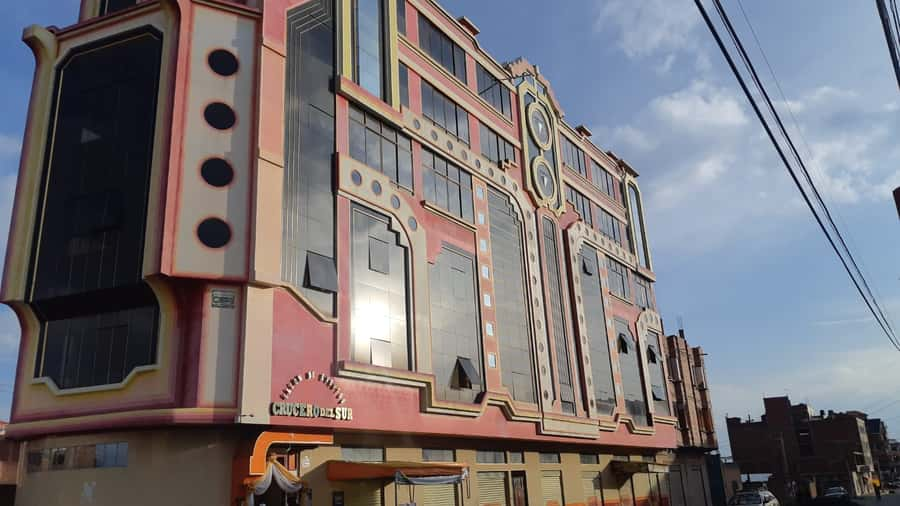
From outside, a cholet can look almost theatrical. Bold blocks of color, stylized windows, strong patterns, and large decorative forms compete for attention. The buildings are designed to be seen, and they often announce their owners’ success in a way that is far more public than a conventional private home.
The outside view is still valuable if you cannot enter. You can study the relationship between the building’s shape and its decoration, compare one façade with another, and ask the guide what the different motifs mean. The tour is also a good fit for anyone interested in photography, since the architecture offers subjects that are unlike the usual colonial churches and mountain views associated with Bolivia.
But the outside visit has a limit. You will not understand the full function of a cholet by looking at a façade alone. The interiors are the part that can show how color, patterns, rooms, and luxury come together. That is why the access issue matters so much.
The planned outing includes the chance to visit two cholets from inside. The wording is important: chance. Open doors may depend on permission, timing, or the availability of the property. One recent group was unable to enter a cholet at all, so you should book this tour for the broader El Alto and architecture experience, not as a guaranteed two-house interior tour.
Inside two colorful cholets, when access allows
If the properties are open, entering two cholets gives the tour its most distinctive stop. You can see how the strong exterior style continues indoors, with colorful spaces designed to feel impressive rather than restrained.
The visit also helps explain why these buildings are often discussed as more than private residences. Their scale and decoration reflect family wealth, cultural identity, and the desire to create a memorable setting. Your guide can connect the visual details to the wider idea of Andean architecture and social change.
I would use this time to ask direct questions. What part of the building is used by the family? Are there commercial or event areas? Which design elements are traditional, and which are modern inventions? The supplied information does not promise specific rooms or facilities, so the exact interior visit can vary.
Photography is clearly part of the appeal, but be respectful. These are not museum exhibits. If the guide says a room or detail should not be photographed, follow that instruction.
If no interior is available, the guide should still be able to provide context from the streets and exterior views. However, the quality of the backup plan may vary. One participant found the guide answered questions but did not volunteer much information, while other groups found the explanations engaging. That difference is a fair reason to ask questions rather than simply follow silently.
Same corner of Bolivia, a completely different day out:
- La Paz and El Alto: Cable Car Rides and Walking Tour
★ 4.8 · 790 reviews - La Paz Half-Day Walking Tour
★ 4.8 · 591 reviews - La Paz: Private City Tour with Cable Car & Moon Valley Visit
★ 4.9 · 508 reviews - La Paz: Mountain Bike Down the World’s Most Dangerous Road
★ 4.9 · 386 reviews
Mamani Mamani’s apartment buildings
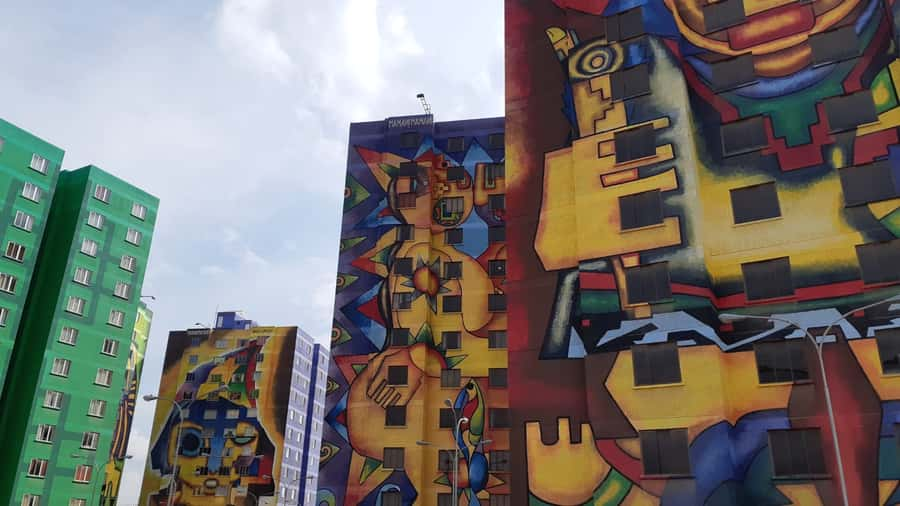
The final major stop is the Wiphala complex, where apartment buildings are decorated with large works by Mamani Mamani. The Bolivian artist is known for using indigenous designs and strong colors, and his work gives the buildings a very different character from ordinary apartment blocks.
This stop adds an important contrast to the cholets. Cholets are individual expressions tied to homes and private investment. The Wiphala complex shows large-scale art applied to apartment buildings, making the whole group of structures feel like a public art site.
The murals are especially good for photography. You get repeated patterns, large painted surfaces, and designs that remain visible even from a distance. If you like architecture, street art, or bold color, this may be your favorite part of the outing.
The visit is focused on seeing the buildings from outside. Do not expect a museum visit, an artist meeting, or an indoor gallery. You are there to look at the painted exteriors and hear how Mamani Mamani’s indigenous design approach shapes the site.
This stop also gives the tour a stronger cultural balance. Without it, the outing could feel like a search for unusual luxury homes. With the Wiphala complex, you see another way indigenous imagery enters modern urban life.
What the $30 price really covers
At $30 per person, the tour is reasonably priced if you want a short, guided introduction to El Alto. The fee includes the cable car, public transportation, entrance fees, and a bilingual guide. Those included costs matter because the tour uses several forms of transport and may include paid entry to the cholets.
You are not paying for a private car, hotel pickup, food, or drinks. If you want a private vehicle and a tightly controlled schedule, this is not the right format. You are paying for access to a small group, transport coordination, and an explanation of architecture and local culture.
The strongest value comes when three things line up: the cable car operates without a long delay, the guide gives active explanations, and at least one or two cholets are open. When those parts work, the tour packs a lot into three hours.
The value drops if you cannot enter any cholet and the transport involves long waits. The Wiphala buildings and cable car still provide worthwhile stops, but the central promise of seeing cholet interiors becomes less complete.
Free cancellation up to 24 hours before the activity and a reserve-now, pay-later option make it easier to fit into a changing Bolivia itinerary. Those terms are useful, but they do not remove the need to check the starting time and allow some flexibility after the tour.
Practical advice for altitude and comfort
El Alto sits at very high elevation, and this outing is not suitable for people with altitude sickness. If you are already struggling with the altitude in La Paz, a three-hour trip with public transport, walking, sun, and waiting may be a poor choice.
Wear comfortable clothes, bring sunglasses, and pack a hat. The high-altitude sun can feel strong, even when the air is cool. Comfortable clothing also helps because you will be moving between transport, streets, and buildings rather than sitting in one place.
Large bags and luggage are not allowed. Bring only what you need for the outing, such as a small camera or phone, water if you normally carry it, and personal essentials. Food and drinks are not included.
I would also keep your phone charged. The colorful architecture is one of the main reasons to take the tour, and the cable car views and painted apartment buildings offer plenty of photo opportunities. Just remember that a camera cannot replace the guide’s explanation of what you are seeing.
Who should book this El Alto outing
I would recommend the tour to you if you want a short, unusual cultural activity in La Paz and have an interest in architecture, photography, public art, or contemporary Andean identity.
It suits visitors who prefer local transport and a small group to a large coach. The cable car ride is a genuine part of the city experience, not just a way to fill time. The three-hour length also works well if you have other plans in La Paz.
You should think twice if your main goal is guaranteed access to two cholet interiors. That part can change, and one group was unable to enter. You should also be cautious if you need to reach another appointment at a precise time, since one outing included a late guide arrival and a long taxi wait.
The tour is not designed for people with altitude sickness, and it is not a food tour. You will not receive hotel pickup or meals. Those limits are clear, so the decision comes down to whether the architecture and cultural setting interest you enough to accept a little uncertainty.
Should you book this tour?
Book it if you want an affordable, compact look at a side of Bolivia that is easy to miss from central La Paz. The cable car ride, cholet architecture, and Mamani Mamani’s painted apartment buildings give you three distinct reasons to go.
I would book with a flexible afternoon afterward and arrive early at San Francisco Church. Ask questions, keep your bag small, and treat interior access as a valuable bonus rather than a guarantee. With that mindset, this HanaqPacha Travel outing offers a practical way to see El Alto beyond a quick passing view.
FAQ
Where does the tour meet?
Meet at the main door of San Francisco Church in La Paz. The guide wears an orange and beige vest with the HanaqPacha Travel logo on the back.
How long does the tour last?
The activity is scheduled to last three hours. Transport delays or waiting for access to a cholet may affect the actual end time.
What languages does the guide speak?
The tour is available with a live guide in English or Spanish.
Is hotel pickup included?
No. Hotel pickup and drop-off are not included. You must reach the San Francisco Church meeting point yourself.
Are cable car tickets included?
Yes. Cable car tickets, public transportation, and entrance fees are included in the activity price.
Can I enter two cholets?
The tour provides the chance to visit two cholets inside, but access is not guaranteed. Availability can vary on the day, and one outing was unable to enter a cholet.
What should I bring?
Bring comfortable clothes, sunglasses, and a hat. Large bags and luggage are not allowed.
Is the tour suitable for someone with altitude sickness?
No. The activity is not suitable for people with altitude sickness.
Just added around La Paz
- Private Tour of Tiwanaku Ruins from La Paz★ 5.0 · 3 reviews
- Private Tiwanaku and Titicaca Day Trip from La Paz★ 4.8 · 3 reviews
- La Paz: Uyuni tour ending in Atacama Chile by bus.★ 3.9 · 3 reviews
- From La Paz: Lake Titicaca and Copacabana Private Tour★ 5.0 · 5 reviews
- LA PAZ: GUIDED TOUR CHACALTAYA + VALLEY OF THE MOON★ 3.6 · 3 reviews
- La Paz: The Feminist Tour★ 5.0 · 3 reviews
- Titicaca Lake: Highlights Tour from La Paz by Bus★ 4.0 · 3 reviews
- From La Paz: Trip to Uyuni Salt Flats with Wine at Sunset★ 4.4 · 4 reviews
La Paz Tours, compared.
La Paz and El Alto: Cable Car Rides and Walking Tour
Read our review →
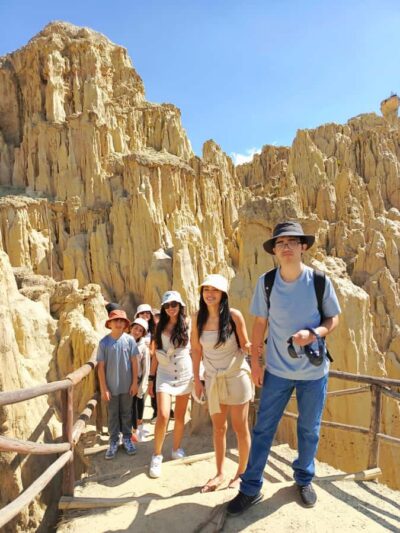
Private City Tour with Cable Car & Moon Valley Visit
Read our review →
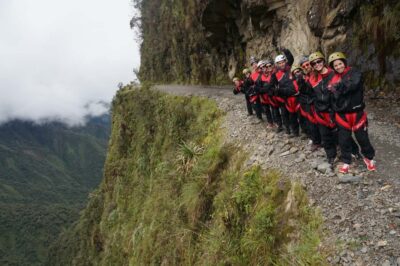
Mountain Bike Down the World’s Most Dangerous Road
Read our review →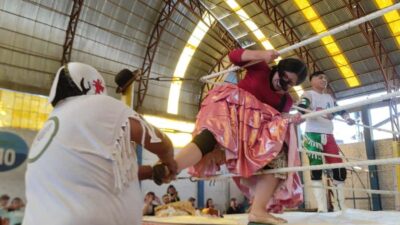

Uyuni Salt Flat Tour & Overnight Roundtrip Bus
Read our review →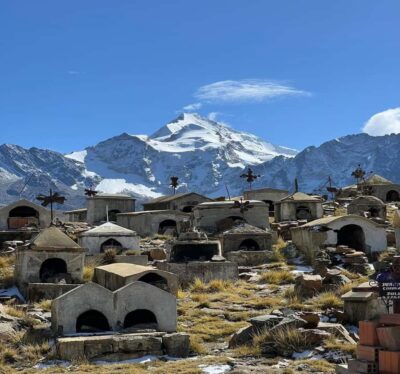
Browse the lists this tour appears in