
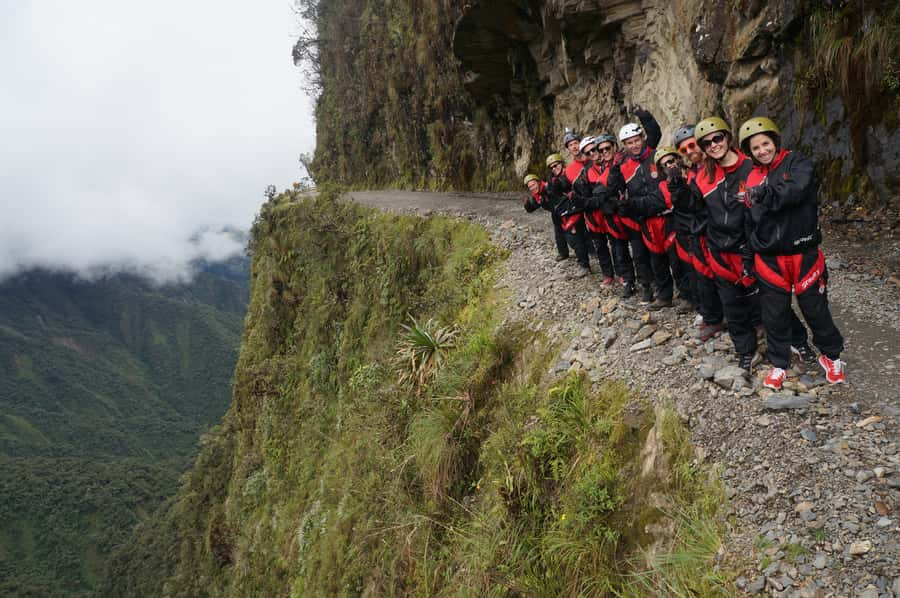
Reviewed · DEATH ROAD BIKE TOURS
La Paz: Mountain Bike Down the World’s Most Dangerous Road
Bolivia’s Death Road is not a gentle sightseeing ride. You start at 4,700 meters among snow peaks, then drop through high mountain scenery, mist, cliffs, dust, and jungle over roughly 64 kilometers. The name sounds like a dare, but the best part of this tour is the careful way Gravity turns a famous risk into a managed adventure.
I like the top-quality bikes and frequent checks, especially on a road where brakes and tires matter. I also like the support vehicle, which follows the group and gives you a real escape hatch if you tire, get cold, or simply decide the next section is not for you. The drawback is the price, $145, plus 50 bolivianos in road tax, and the long return to La Paz can make this a very full day.
Key points at a glance
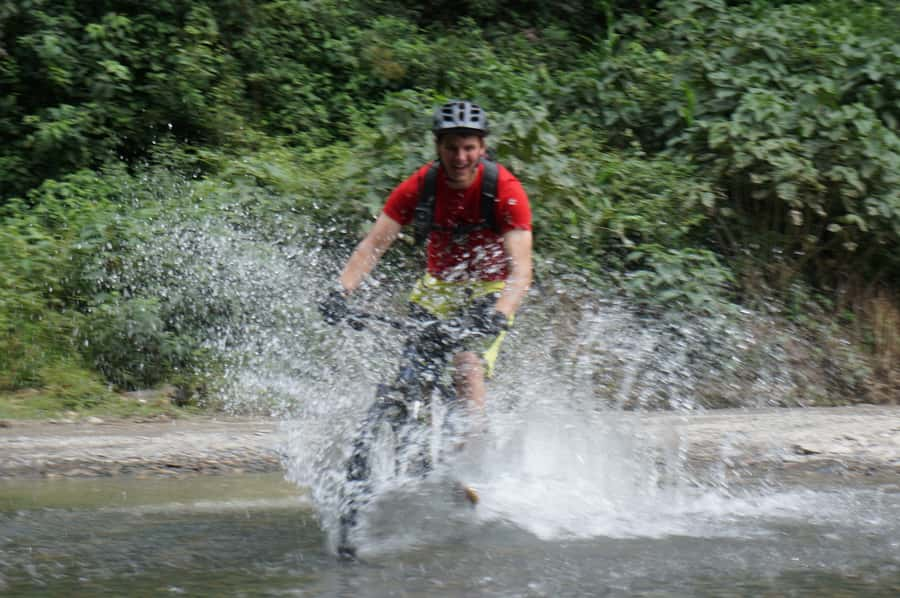
- Start at 4,700 meters: Begin at La Cumbre with cold air, thin atmosphere, and views of snow-covered Andean peaks.
- Ride 64 kilometers downhill: The route shifts from smooth asphalt to a rough, narrow dirt road cut into the mountain.
- Safety is built into the day: Each group has a guide, mechanic, private vehicle, helmets, pads, and regularly checked bikes.
- Go at your own pace: You are not required to race, and the support bus can carry you at any point.
- Finish at an animal refuge: Lunch, a possible shower, and rescued animals make La Senda Verde a rewarding final stop.
- Expect a late return: The day can run until about 8:30 p.m., depending on the schedule and road conditions.
Why Death Road is worth your time
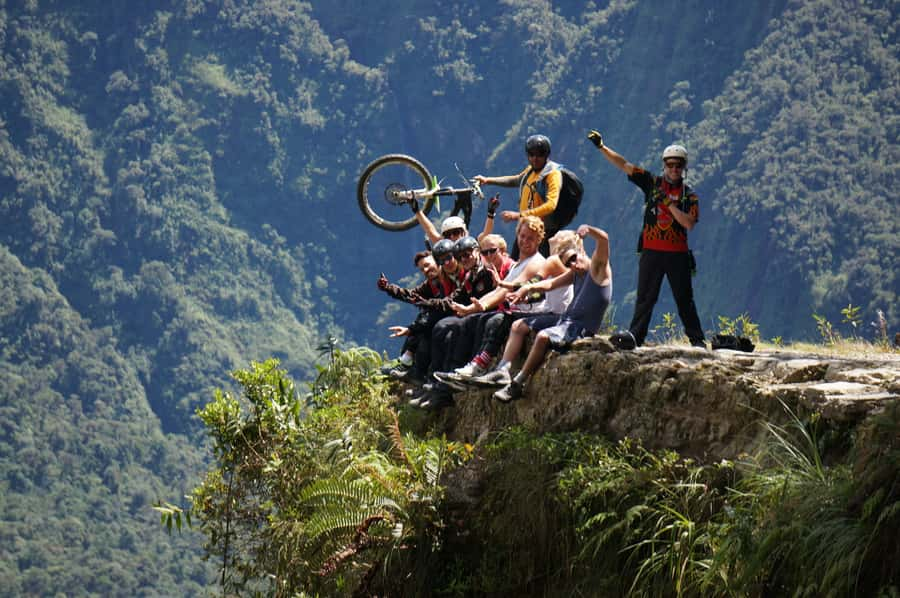
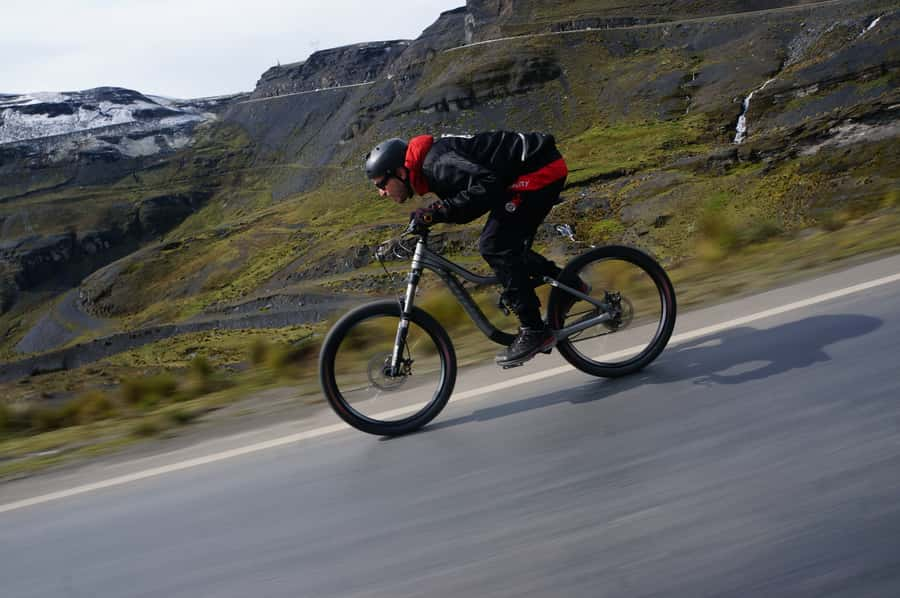
The old road from the high Andes into the Yungas is famous for its narrow track, steep drops, and changing weather. You are not riding the entire day on one terrifying cliff edge, though. The first major section uses asphalt, which lets you get comfortable with the bike and the downhill rhythm before the rougher road begins.
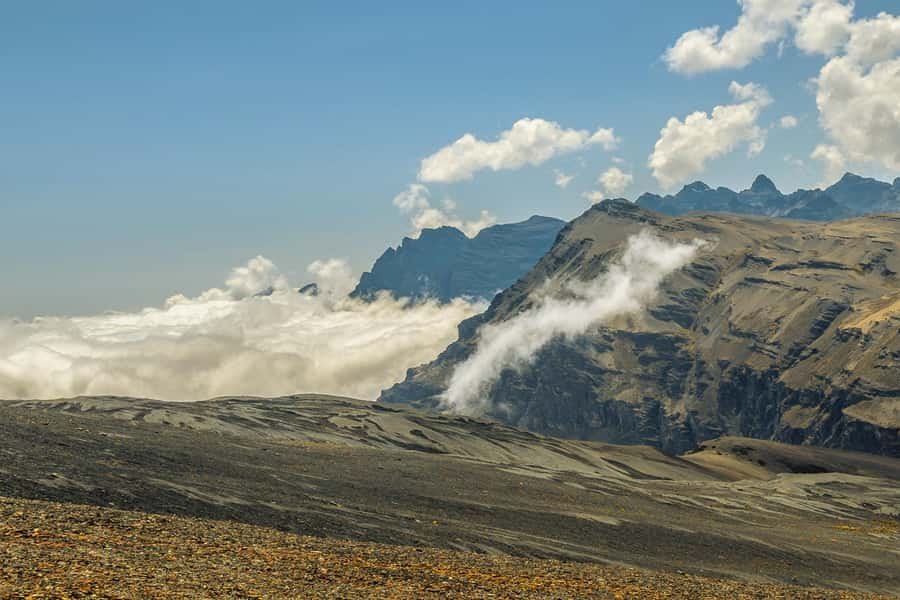
That change is what makes the ride interesting. At the top, you get cold, open mountain views. Lower down, the air warms, plants thicken, and the road becomes more raw and demanding. By Yolosa, about 3,500 meters below your starting point, you will likely be dusty, warm, tired, and very pleased to have finished.
The experience suits someone who wants more than a pretty drive through Bolivia. You need to be able to ride a bike and handle a full day outdoors, but you do not need years of mountain biking experience. The guides give instructions before each section and let you choose a speed that feels sensible.
This is still a serious activity. The road has real drops, loose surfaces, mist, traffic concerns, and changing weather. The title is not just marketing. You need to listen to your guide, control your speed, and accept that the guide can put you on the bus if safety requires it.
More Death Road rides from La Paz:
- La Paz | Death by Bike Route | Lunch
★ 3.4 · 7 reviews - World’s Most Dangerous Road “Private” Mountain Biking Trip
★ 5.0 · 7 reviews - From La Paz: 3-Day Biking Tour Death Road & Uyuni Salt Flats
★ 4.7 · 4 reviews
From Café del Mundo to La Cumbre
The day begins outside Café del Mundo in La Paz. Breakfast is included, with meat, eggs, ham and cheese, vegetarian, and vegan choices. That is useful rather than decorative. You are heading into a long day with cold air at the start, a lot of concentration, and a late lunch.
From La Paz, transport carries you uphill to La Cumbre at 4,700 meters. Bring warm clothing for this part. Sunglasses and sunscreen matter too, since the high-altitude light can be strong even when the air feels icy.
At La Cumbre, the guide team fits your equipment and explains how the ride works. You receive a helmet, with a normal or full-face option, along with elbow and knee pads, gloves, and cold or wet weather clothing. The bikes use full suspension and hydraulic disc brakes, a meaningful advantage on rough ground and steep descents.
The first view is broad and spare: high ridges, snow-covered peaks, llamas, alpacas, and small settlements. Take a moment here. It is easy to rush toward the famous road, but the high starting point is one of the best visual parts of the day.
Altitude can affect you before the biking begins. The data does not promise acclimatization support, so you should judge your own condition honestly. If you feel unwell, tell the guide early rather than trying to prove something.
The fast asphalt descent
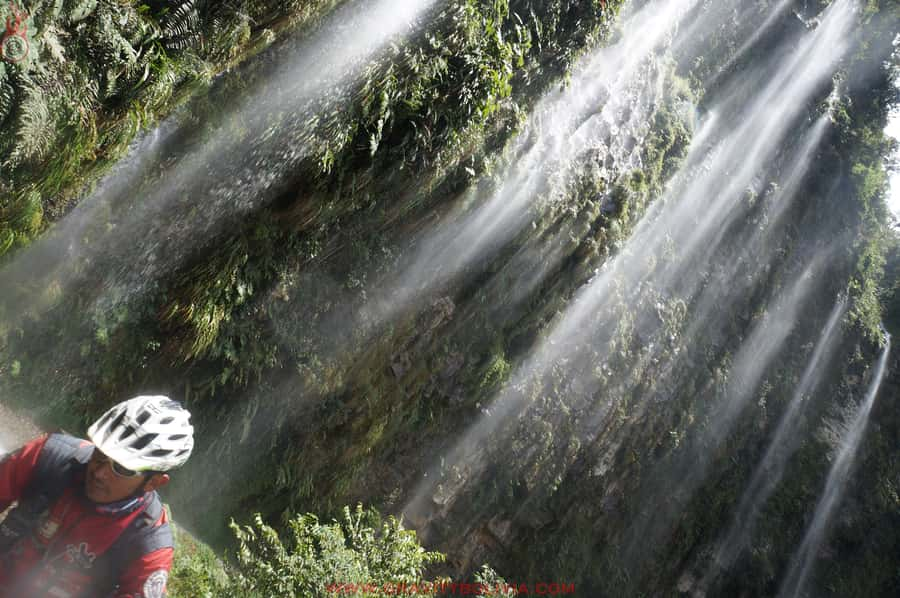
The opening ride follows twisting asphalt among the Andean peaks. This section gives you time to learn the bike, test the brakes, and find a comfortable position before the dirt road arrives.
You will make stops for photos, refreshments, and rest. During these breaks, the mechanic checks the bikes, including tires and brakes. That routine is one of the strongest reasons to choose a professional operator for this ride. A good suspension system is helpful, but it cannot replace a careful inspection.
The guides also explain what is coming next. That matters because the road changes in stages. You can prepare for tighter turns, rougher surfaces, mist, or more traffic instead of meeting each change by surprise.
The support vehicle follows the group. You can use it if you need water, dry clothing, a rest, or a complete break from riding. The guide can also place you on the bus for your safety or for the safety of the group. That may feel disappointing for a moment, but it is a sensible feature, not a failure.
The ride is not a competition. You can move at a pace that suits your confidence and ability. Stronger riders may go faster, but you should not chase them. The most enjoyable version of Death Road is the one where you still have enough control to notice the scenery.
The narrow dirt road into the Yungas
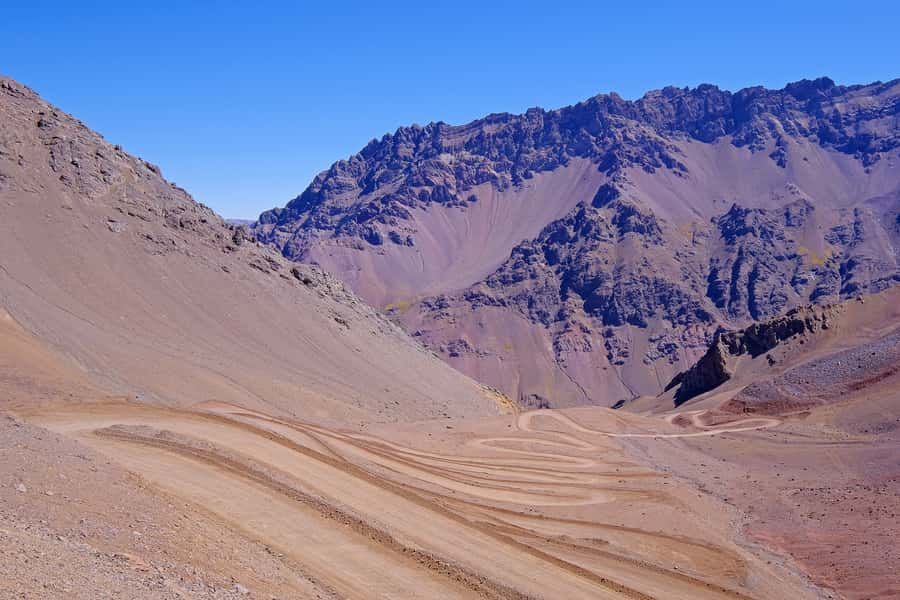
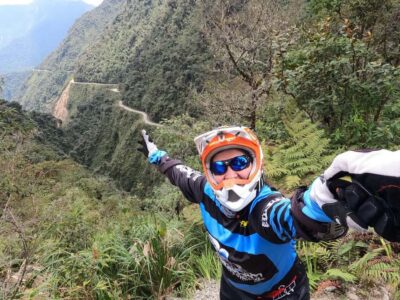
The famous dirt section drops about 2,000 meters through the mountain. It is narrow, rough, and cut into a steep slope, with drops beside the road. Mist and low cloud can reduce visibility, while dust and heat increase as you descend.
This is where the trip earns its reputation. You need to keep your eyes on the surface, hold a controlled line, and follow instructions. You will have time to stop at checkpoints and rest, so the day is broken into manageable parts rather than one endless descent.
The road can feel thrilling even at a moderate speed. You do not need to race to get the full experience. In fact, a slower pace gives you more room to respond to loose gravel and uneven ground, and more time to enjoy the views when the cloud lifts.
Weather can change the character of the ride. Snow and rain are possible near the top, while the lower sections can be hot and dusty. Pack a change of clothes and use the provided layers as needed. A daypack should hold your personal items, but keep it practical and light.
Gravity assigns one guide, one mechanic, and a private vehicle to each group. The group limit is 14 people. That is small enough for instructions and regular contact, though the pace of the full group can still affect how quickly you move through the day.
More bike days around La Paz:
- From La Paz: The World’s Most Dangerous Road Biking Tour
★ 4.7 · 68 reviews
Arriving at Yolosa and La Senda Verde
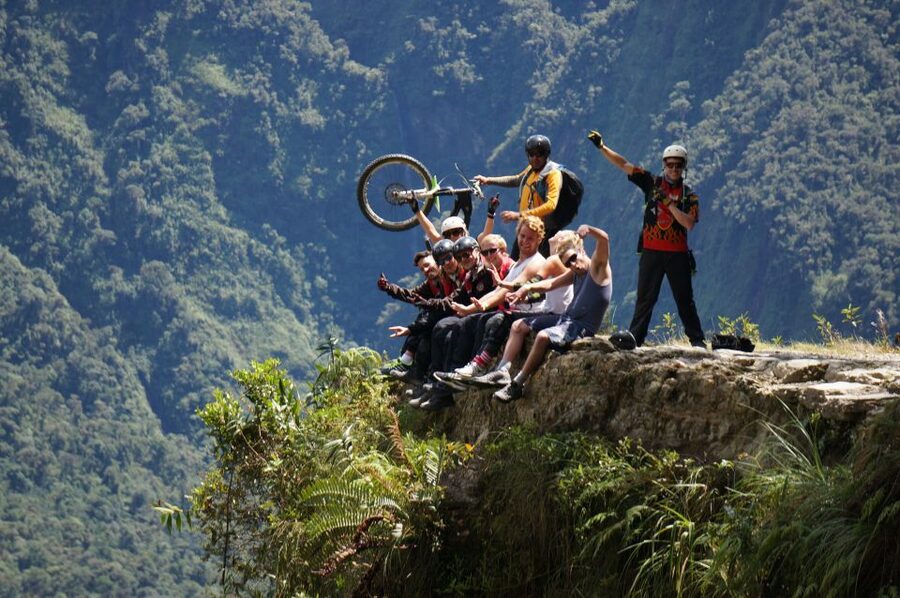
The ride ends in Yolosa, where the climate is warmer and the road has dropped roughly 3,500 meters from the start. You will probably be dirty. That is part of the deal.
A short distance away, La Senda Verde Animal Refuge provides the finish. Lunch is served as a buffet, and the visit includes entry to the refuge. You may see monkeys, capybaras, birds, and an Andean spectacled bear. The refuge rescues animals from the black market, so your visit supports work beyond the day’s entertainment.
This ending gives the tour more weight than a simple downhill challenge. You get to slow down, eat, and see animals that are being cared for after difficult beginnings. Some people also report hot showers, towels, and shampoo at the refuge, though you should not rely on every extra being available at every departure.
The sanctuary stop does extend the day. One practical point is the return journey: after lunch and the refuge visit, the drive back to La Paz can take about three hours, with arrival around 8:30 p.m. If you have an evening bus, flight, or fixed dinner reservation, leave plenty of space.
An optional zipline is available for an extra charge. It is not part of the $145 package, so decide at the refuge rather than assuming it is included.
The equipment and safety setup
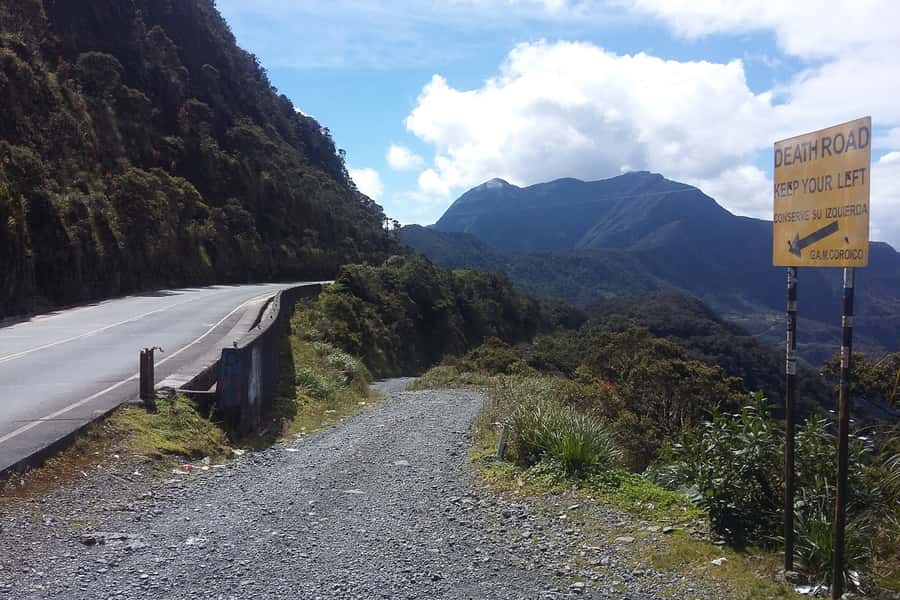
The safety approach is the main reason I would pay more for this tour than for a cheaper Death Road operator. Gravity provides full-suspension downhill bikes, hydraulic disc brakes, helmets, gloves, knee and elbow pads, protective clothing, a mechanic, and a following vehicle.
The bikes are checked after rides and again during the day. Guides also check tires and brakes at stops while you rest. That maintenance is especially valuable on the dirt section, where a small mechanical problem can quickly become a major nuisance.
The guides have more than 20 years of experience riding the road, and the team uses international safety standards. Names that come up repeatedly among the guide team include Damian, Kenny, Noel, Ruben, Abel, and Marcello. The important point is not the individual name, since staffing changes, but the level of attention you should expect from the team assigned that day.
Photography is included. The crew uploads hundreds of photos from the ride and shares them with you. That lets you concentrate on riding rather than trying to protect a phone while bouncing down a rough road. A buff is also included for you to keep.
Safety equipment cannot remove every risk. You still need to use your brakes properly, stay alert, obey the guide, and avoid riding beyond your skill. The bus is there because using it is sometimes the smartest choice.
What the $145 price really buys
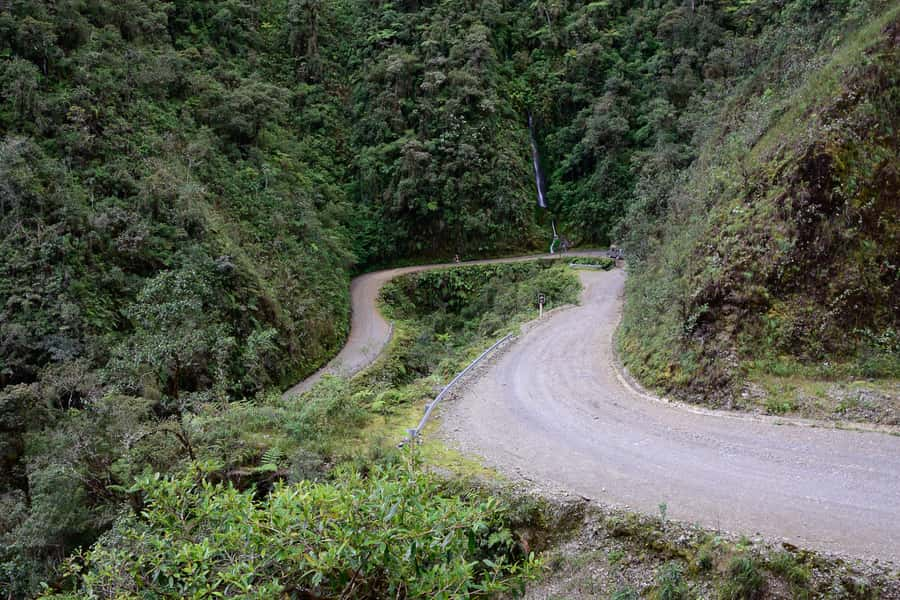
At $145, this is one of the more expensive versions of the Death Road trip. The price includes transport from La Paz, breakfast, lunch, two snacks, unlimited water, equipment, bike rental, guides, a mechanic, a private safety vehicle, photos, and entrance to La Senda Verde. You also receive a buff.
That is a substantial package. A cheaper tour may look attractive until you compare bike quality, staff numbers, food, protective gear, and mechanical support. On a road like this, equipment and staff are not minor extras. They affect how comfortable and confident you feel for the entire day.
You should also budget for the 50 bolivianos road tax. The zipline costs extra if you choose it. The long return drive is another cost in time, especially if you value an early evening back in La Paz.
I would call the tour good value for someone who wants a well-supported adventure rather than the lowest possible price. If you are an experienced rider with your own equipment and mainly want a quick descent, the package may feel costly. If you are new to mountain biking or want a managed first attempt, the included support makes the higher price easier to justify.
Who should book this ride
You should consider it if you:
- Can ride a bicycle confidently
- Want a full day of physical activity and scenery
- Are comfortable with steep drops and rough roads
- Prefer a guide-led experience with a support vehicle
- Like the idea of ending at a wildlife refuge
- Can handle a late return to La Paz
You should skip it if you cannot ride a bike, use a wheelchair, have a mobility impairment, or are pregnant. The activity is also not suitable for children under 120 centimeters tall.
This is a good choice for first-time mountain bikers who are willing to listen and take it slowly. It is not a good choice for someone who wants a relaxed ride or who dislikes heights. The road is famous for a reason, and confidence should never become carelessness.
Practical packing advice for a cold-to-hot day
Bring your passport or identity card, warm layers, sunglasses, sunscreen, insect repellent, hiking shoes, cash, weather-appropriate clothing, and a daypack. Add a complete change of clothes. You may begin in cold, wet conditions and finish hot, sweaty, and dusty.
The operator supplies water, food, gloves, pads, helmets, and outer clothing for cold or wet weather. You should still bring personal items that help you stay comfortable, especially dry clothing for the end.
The meeting point is outside Café del Mundo. English and Spanish are available, and the group is limited to 14 participants. You can cancel up to 24 hours before the activity for a full refund, and reserve now while paying later.
Should you book Gravity Bolivia?
I would book this tour if Death Road is high on your Bolivia list and you want the strongest safety setup, reliable equipment, food, photos, and a meaningful finish at La Senda Verde. The guides create a friendly mood, but they take the road seriously, which is exactly the balance you need.
I would not book it if $145 feels too high, if you need to be back in La Paz early, or if steep dirt roads make you genuinely uncomfortable. For everyone else, this is a demanding but carefully organized day that combines Andean views, a real downhill challenge, and a wildlife refuge visit in one memorable outing.
FAQ
How much does the Death Road bike tour cost?
The tour costs $145 per person. A 50 boliviano road tax is not included, and the optional zipline costs extra.
How long is the activity?
It is a one-day activity. The return to La Paz can be around 8:30 p.m., depending on the day’s schedule.
Where do I meet the group?
Meet outside Café del Mundo in La Paz.
What languages are available?
The tour is available in English and Spanish.
How large is the group?
The group is limited to 14 participants.
Is breakfast included?
Yes. Breakfast includes meat, eggs, ham and cheese, vegetarian, and vegan options.
Is lunch included?
Yes. A buffet lunch is provided at La Senda Verde Animal Refuge.
What equipment is supplied?
You receive a full-suspension downhill mountain bike with hydraulic disc brakes, a helmet, gloves, elbow and knee pads, and clothing for cold or wet weather.
Can I stop riding during the route?
Yes. A bus follows the group, and you can get on it during the tour. The guide can also put you on the bus for safety reasons.
What should I bring?
Bring your passport or identity card, warm clothing, sunglasses, a change of clothes, hiking shoes, sunscreen, insect repellent, cash, weather-appropriate clothing, and a daypack.
Just added around La Paz
- Private Tour of Tiwanaku Ruins from La Paz★ 5.0 · 3 reviews
- Private Tiwanaku and Titicaca Day Trip from La Paz★ 4.8 · 3 reviews
- La Paz: Uyuni tour ending in Atacama Chile by bus.★ 3.9 · 3 reviews
- From La Paz: Lake Titicaca and Copacabana Private Tour★ 5.0 · 5 reviews
- LA PAZ: GUIDED TOUR CHACALTAYA + VALLEY OF THE MOON★ 3.6 · 3 reviews
- La Paz: The Feminist Tour★ 5.0 · 3 reviews
- Titicaca Lake: Highlights Tour from La Paz by Bus★ 4.0 · 3 reviews
- From La Paz: Trip to Uyuni Salt Flats with Wine at Sunset★ 4.4 · 4 reviews
Death Road Bike Tours, compared.
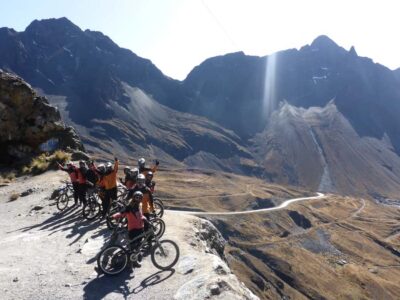
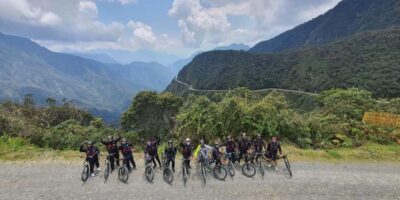
World’s Most Dangerous Road “Private” Mountain Biking Trip
Read our review →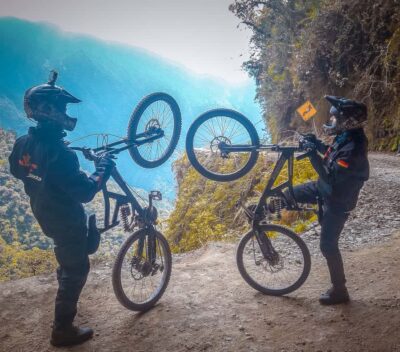
Browse the lists this tour appears in