
Reviewed · DEATH ROAD BIKE TOURS
La Paz | Death by Bike Route | Lunch
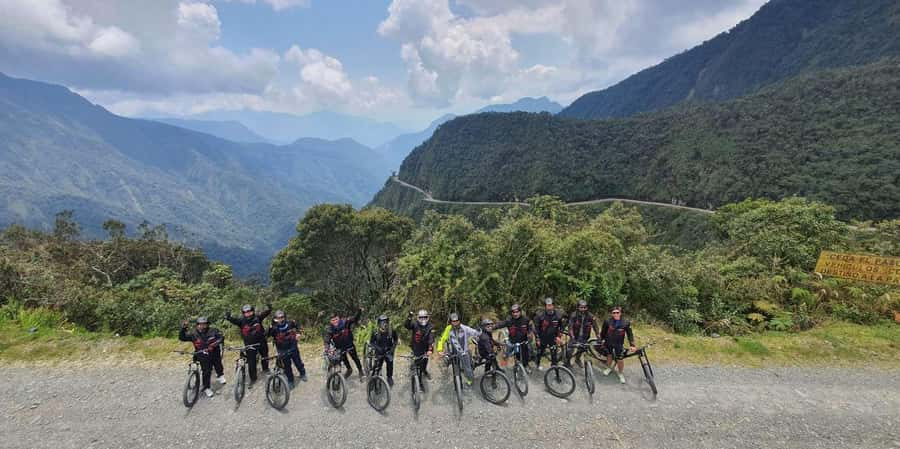
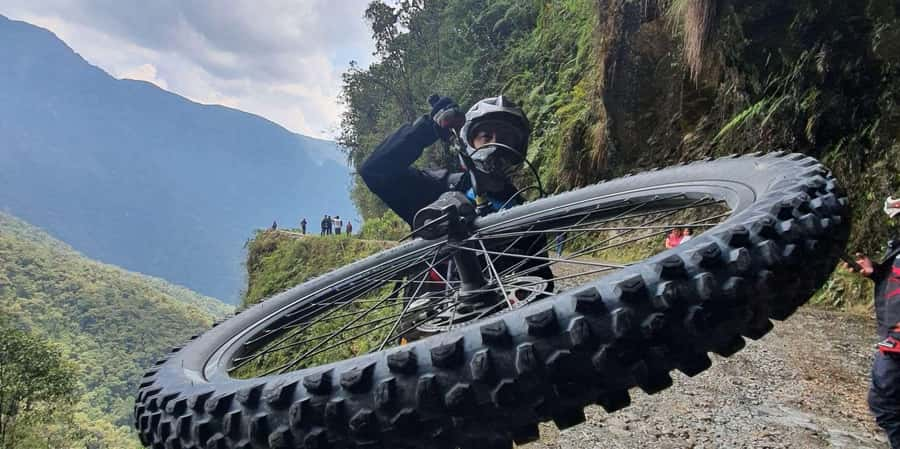
Bolivia’s Death Road tour turns a dramatic high-mountain route into a full day of riding, starting at 4,700 meters and finishing near the warm lowlands at Yolosa. I like the way the route builds gradually, with a paved first stage before the rougher Death Road section, and I like the practical package: a full-suspension Rocky Mountain bike, hydraulic brakes, safety equipment, food, and transport.
The small group size, seven riders with one guide, is another real plus. The main concern is reliability: the overall rating is 3.4 from seven reviews, including one serious report of no one arriving at the meeting point. Confirm the WhatsApp contact and pickup details before you commit, especially if this is your last day in La Paz.
Key points before you book
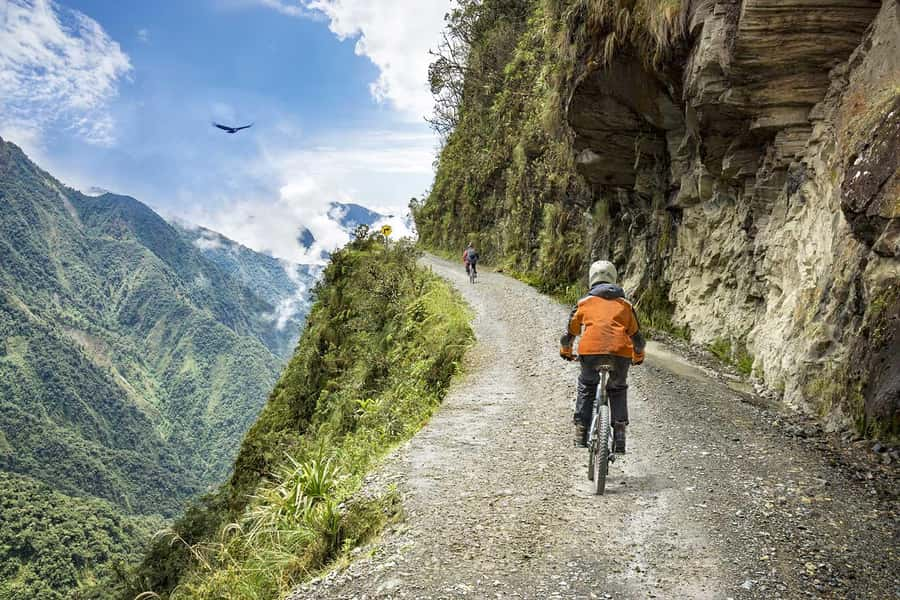
- The ride starts at 4,700 meters: The opening 22 kilometers help you adjust to the altitude and test the bike before the rougher sections.
- The famous section is about 10 kilometers: You ride Death Road in a compact group, with safety treated as the priority.
- The equipment is suited to rough riding: A dual-suspension Rocky Mountain bike with hydraulic disc brakes is provided.
- The day ends with a proper stop: In Yolosa, you get lunch, showers, and access to a swimming pool at a hotel.
- The package covers most essentials: Transport, bilingual guidance, water, snacks, helmet, gloves, jacket, and pants are included.
- Allow for an extra Bs. 50: The national park entrance fee is paid separately at the police checkpoint.
From La Paz to La Cumbre at 4,700 meters
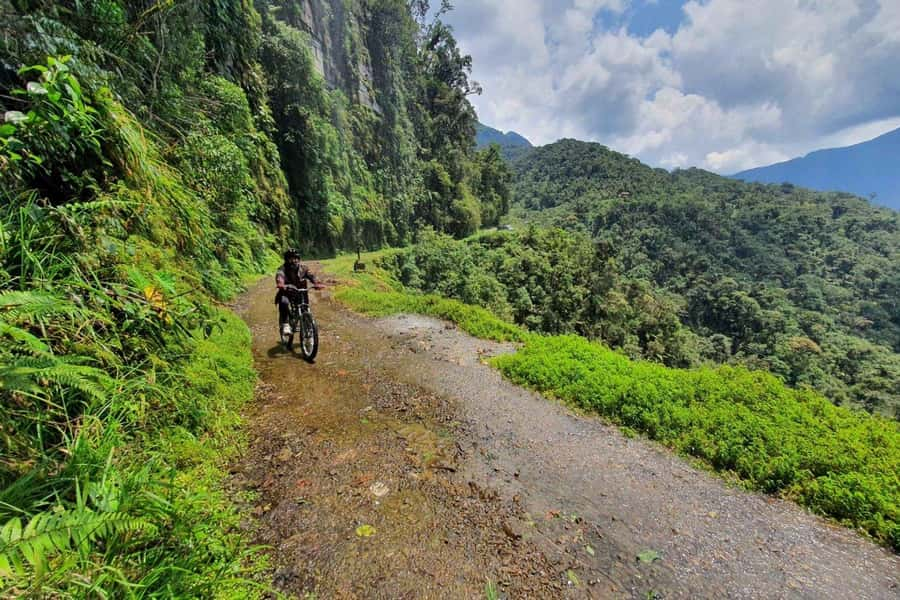
The day begins early in La Paz at the Vicuña Travel office, office 144. From there, transport takes you about one hour to La Cumbre, the high starting point for the ride.
La Cumbre sits at roughly 4,700 meters above sea level, so the opening minutes are not only about scenery. You are also getting used to the cold, the altitude, and the bicycle. If you have just arrived in La Paz, this high start is worth taking seriously. You may feel the thinner air before you begin pedaling.
The provided clothing helps. You receive a jacket and pants, along with a helmet and gloves. Water is also included. Still, I would dress in layers, since the ride moves from a cold high point toward a much warmer finish. The company gives you a full-suspension bike with hydraulic disc brakes, an important combination for a route that changes from smooth asphalt to rough mountain road.
The exact guide names are not provided, but the tour is led in Spanish and English. You ride with one guide for a maximum group of seven riders. That size matters here. A compact group is easier to keep together, especially on the narrow Death Road section.
More Death Road rides from La Paz:
- La Paz: Mountain Bike Down the World’s Most Dangerous Road
★ 4.9 · 386 reviews - World’s Most Dangerous Road “Private” Mountain Biking Trip
★ 5.0 · 7 reviews - From La Paz: 3-Day Biking Tour Death Road & Uyuni Salt Flats
★ 4.7 · 4 reviews
Stage One: 22 kilometers on paved road
The first stage covers about 22 kilometers of asphalt. It takes roughly 45 minutes to reach the police checkpoint, where you pay the national park entrance fee of Bs. 50. This charge is not included in the tour price, so bring the correct amount in local currency if possible.
This opening section is less about the famous road and more about building confidence. You can get used to the steering, braking, and feel of the full-suspension bike before the route becomes more demanding. The guide can also check how the group is moving and make sure the bicycles are working properly.
A support van follows behind the group. That gives you a useful safety net and means the tour is not based on riders carrying everything themselves. The day includes planned stops for water, photographs, and bike checks.
I like this gradual start. It gives you time to settle in rather than putting you straight onto the most talked-about section. It also makes the tour suitable for riders who are comfortable on a bicycle but may not be used to a long mountain descent.
The first section is still a descent, so you should not treat it as a casual city ride. Use the early kilometers to learn the brakes and find a comfortable pace. Do not feel pressure to race. The route is more enjoyable when you can look around and stay in control.
Stage Two: 10 kilometers on Death Road
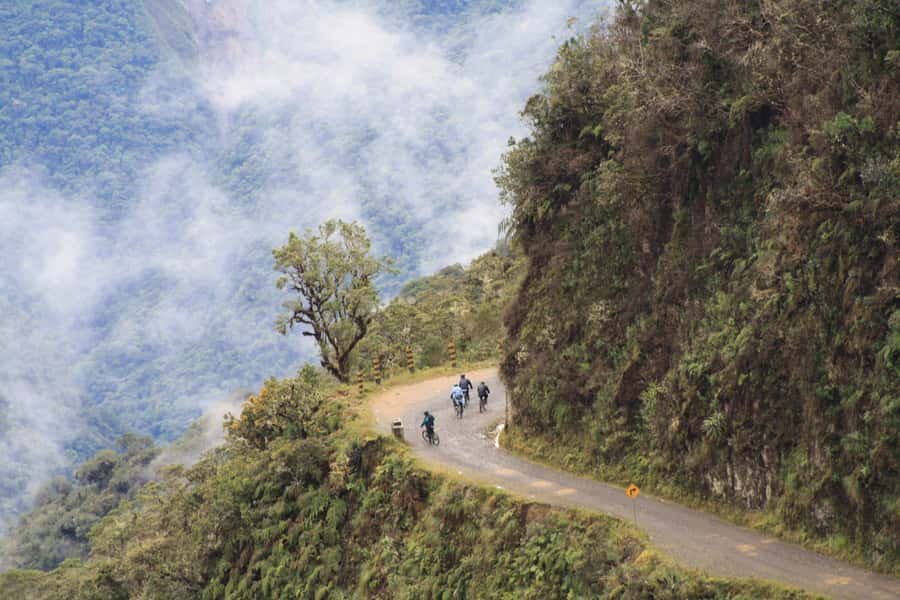
The central section covers about 10 kilometers on Death Road. This is the part that gives the tour its name and its reputation. The group rides together, with the guide keeping everyone in a compact formation.
The compact format is important. You are not sent off alone to find your own way down. The safety van remains part of the support system, and the guide is there to manage the group. This is also where the full-suspension bicycle and hydraulic brakes have their clearest value. They do not remove the need for care, but they provide better control and comfort than a basic bicycle.
The route is not presented as a nonstop test. There is a snack stop with chocolate, fruit, and other small items. Water and appetizers are included as part of the day. These pauses break up the riding and give you time to take photographs without trying to stop in the middle of the group.
The famous name can create the wrong expectation. This is not simply a sightseeing drive with a short photo stop. You are riding for a substantial part of the day, and the route demands attention. At the same time, the tour has a clear structure, a guide, support transport, and safety equipment.
Rain can change the feel of the ride. A verified booking from Italy described a rainy, cloudy day as especially atmospheric and praised the accompanying staff. That is a useful reminder that weather is part of the experience, not just an inconvenience. Wet conditions can make the day more memorable, but they can also make riding less comfortable and call for extra care.
Stage Three: 32 kilometers toward Yolosa
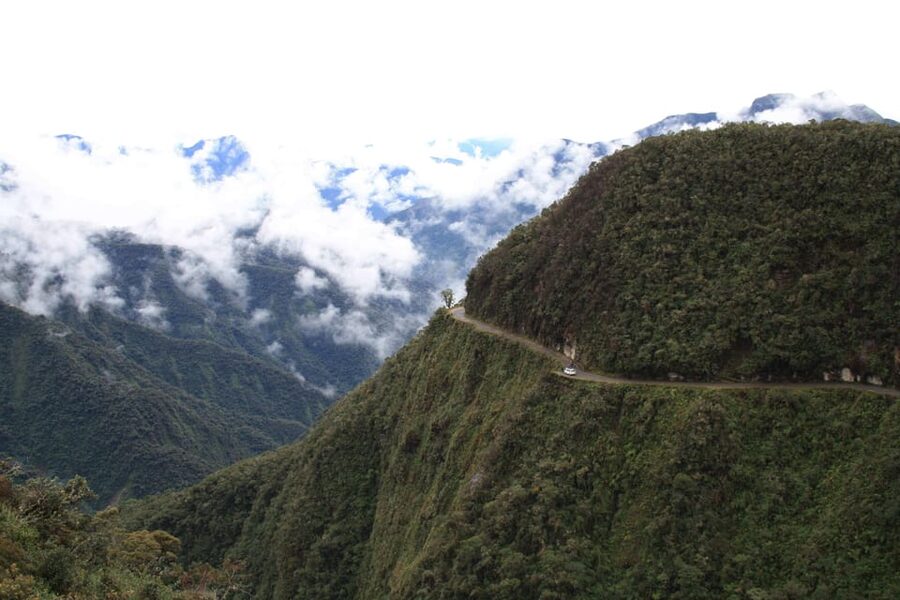
After the Death Road section, the final stage covers about 32 kilometers. It begins with a splash through a waterfall, an unusual way to start the longest part of the ride.
By this point, you have already completed the opening asphalt descent and the main Death Road section. The final stage gives the day a longer finish rather than stopping as soon as the famous stretch ends. You should expect a substantial amount of riding, even after the headline section is over.
The route ends at Yolosa, where the group goes to a hotel. Lunch is included, and you can use the showers and swimming pool. That makes the finish more practical than simply arriving at a roadside pickup point. After several hours on a bicycle, having a place to clean up and relax adds real value to the package.
Extra drinks during lunch cost more. The tour includes lunch and water, but not every beverage you may want with the meal. Keep that small additional expense in mind.
The return to La Paz begins at about 5 p.m. You travel back on the newer road rather than retracing the Death Road route. This is a sensible finish: the bicycle ride ends at Yolosa, and the vehicle return gives you a safer, more comfortable route back to the city.
More bike days around La Paz:
- From La Paz: The World’s Most Dangerous Road Biking Tour
★ 4.7 · 68 reviews
What the $140 price covers
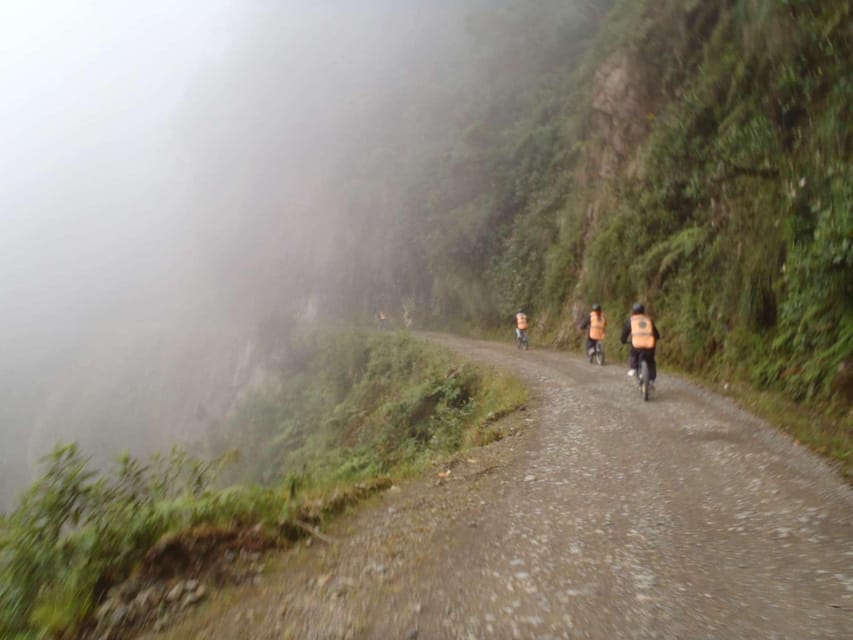
At $140 per person, this is not a bare-bones bicycle rental. The price includes round-trip transport from La Paz, a bilingual guide, a full-suspension bicycle, helmet, gloves, jacket, pants, water, snacks, and lunch.
The gear matters because buying or renting each item separately would be a nuisance, particularly for a one-day activity. The dual-suspension Rocky Mountain bike and hydraulic disc brakes are also more appropriate for this route than a standard commuter bicycle.
The food package is modest but useful. You get water, appetizers, and snacks such as chocolate and fruit during the route, followed by lunch at the hotel in Yolosa. The hotel’s showers and swimming pool make the final stop more than a quick meal.
You still need to pay the Bs. 50 national park ticket and cover extra drinks at lunch. Those are not large additions beside the main tour cost, but you should include them in your budget.
The value depends heavily on the tour operating properly. One verified booking from the United Kingdom reported waiting more than 30 minutes at the meeting point with no staff arriving and no contact. That person lost the chance to do the activity, which is especially serious when it was their last day in La Paz. The report is only one of seven reviews, but it is too important to ignore.
I would confirm the booking by WhatsApp before the day of departure. The reservation asks you to provide a WhatsApp number, and using it to confirm the meeting time, office number, and transport details is a sensible precaution.
The small-group setup and safety arrangements
A group of seven riders plus one guide is a good size for this type of route. It is small enough for the guide to monitor the riders, while still giving the day a social feel.
The tour description repeatedly stresses staying in a compact group on Death Road. That means you should not expect a freewheeling, independent ride where everyone sets their own pace. If you want a controlled outing with guidance, this structure should suit you. If you want to race downhill or ride alone, it may feel restrictive.
The support van follows behind the group. Stops are planned for water, photographs, and bike checks. These details show that the day is organized around more than simply covering kilometers as fast as possible.
You should still bring a sensible attitude to the ride. A good bicycle and support vehicle do not replace careful braking and attention. Stay with the group, follow the guide’s instructions, and use the early paved stage to understand the bike.
Who will get the most from this day
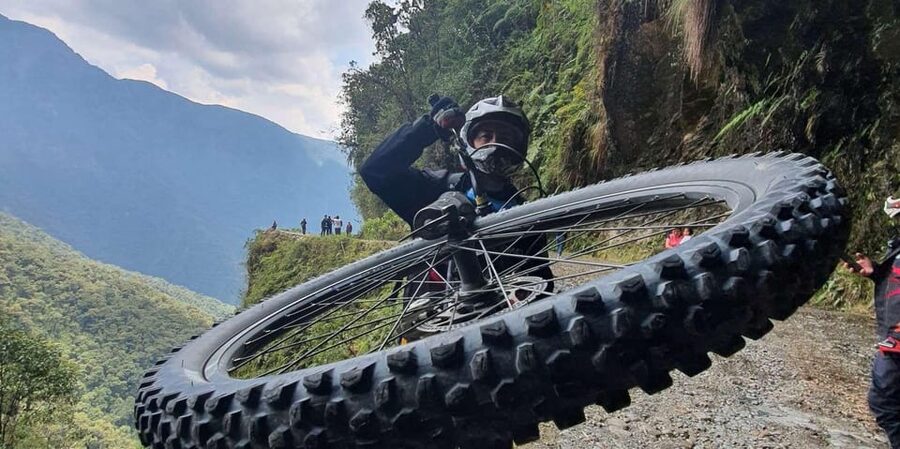
I would choose this tour if you want a complete Death Road day rather than only a short ride on the famous section. The three-stage format gives you a longer outing, while the transport, clothing, food, and support van keep the planning simple.
It suits reasonably active visitors who are comfortable spending much of a day on a bicycle. You do not need to arrive with a personal bike or specialist clothing, since the essential equipment is provided. You should be ready for altitude at the start and a long downhill route.
This may not suit you if you are very concerned about altitude, dislike rough road conditions, or want a relaxed sightseeing day. The route is famous for a reason, and the name should not be treated as a joke. You are taking part in a physical activity on a mountain road.
The limited review history also makes me cautious about booking it on a day when you have an important flight or a fixed evening plan. The stated return is around 5 p.m., but mountain transport and a full-day activity can be tiring. Give yourself breathing room if your schedule allows.
Is Death by Bike worth booking?
I would book this tour for the equipment, three-part route, small group, food, and useful finish at Yolosa. The hotel stop with lunch, showers, and a swimming pool is a particularly good touch after a long ride, and the full-suspension Rocky Mountain bike is a meaningful part of the value.
I would not book without confirming the meeting arrangements by WhatsApp. The no-show report is a real warning, even though another verified booking praised the accompanying staff and enjoyed a rainy, cloudy day. If the operator confirms your pickup clearly, this is a well-equipped way to tackle Death Road in one day. If you need absolute operational certainty or have no spare time, choose a provider with a stronger recent record.
FAQ
How much does the Death by Bike tour cost?
The tour costs $140 per person.
How long does the activity last?
It is a one-day activity. The return journey to La Paz starts at about 5 p.m.
Where does the bicycle ride begin?
The ride begins at La Cumbre, about one hour from La Paz, at an altitude of approximately 4,700 meters.
How long is the Death Road section?
The Death Road section is about 10 kilometers long.
What bicycle and safety equipment are provided?
You receive a full-suspension Rocky Mountain bicycle with hydraulic disc brakes, a full helmet, gloves, jacket, and pants.
Is food included?
Yes. The tour includes water, snacks or appetizers, and lunch. Extra drinks during lunch are not included.
Is the national park entrance fee included?
No. You pay the Bs. 50 entrance fee separately at the police checkpoint.
What language does the guide speak?
The live guide speaks Spanish and English.
More Lunch Experiences in La Paz
- La Paz: Tiwanaku Shared Tour with Lunch + Tour Guide
★ 3.9 · 14 reviews - From La Paz: Tihuanacu & Titicaca Lake in one day with lunch
★ 4.5 · 7 reviews - From Uyuni: Salt Flats Highlights Jeep Tour with Lunch
★ 4.8 · 133 reviews - Private Salt Flat Full-Day Tour Including The Cemetery of Trains and Lunch from Uyuni
★ 4.5 · 73 reviews
Just added around La Paz
- Private Tour of Tiwanaku Ruins from La Paz★ 5.0 · 3 reviews
- Private Tiwanaku and Titicaca Day Trip from La Paz★ 4.8 · 3 reviews
- La Paz: Uyuni tour ending in Atacama Chile by bus.★ 3.9 · 3 reviews
- From La Paz: Lake Titicaca and Copacabana Private Tour★ 5.0 · 5 reviews
- LA PAZ: GUIDED TOUR CHACALTAYA + VALLEY OF THE MOON★ 3.6 · 3 reviews
- La Paz: The Feminist Tour★ 5.0 · 3 reviews
- Titicaca Lake: Highlights Tour from La Paz by Bus★ 4.0 · 3 reviews
- From La Paz: Trip to Uyuni Salt Flats with Wine at Sunset★ 4.4 · 4 reviews
Death Road Bike Tours, compared.
Mountain Bike Down the World’s Most Dangerous Road
Read our review →
World’s Most Dangerous Road “Private” Mountain Biking Trip
Read our review →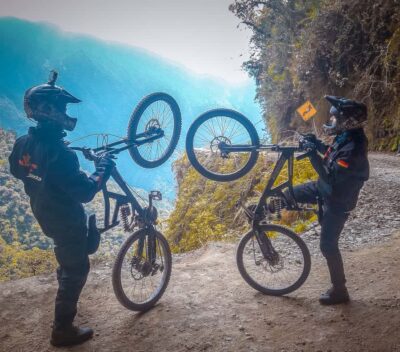
Browse the lists this tour appears in