
Reviewed · BOLIVIA
Adelante Mujer Bolivian Cooking Workshops
The most meaningful part of this Cochabamba cooking class is the link between Bolivian food and women’s empowerment. You are not simply shown how to make a meal. You cook beside women who are rebuilding their lives after domestic violence, then share the food and drinks together at the end.
I like two things in particular: the class starts with basic ingredients and takes you through the whole process, and the money supports a local organization with a clear purpose. The possible drawback is that the menu can vary, and the stated group limit is inconsistent, so confirm the final details when you book.
Key points to know before booking
- Salteñas from scratch: Prepare the filling, dough, shaping, and baking of Bolivia’s famous juicy pastry.
- A three-hour food experience: Plan for cooking, explanations, cocktails, and a shared meal at the end.
- Women-led instruction: Your guide is a professionally trained woman connected with Adelante Mujer’s support program.
- More than one possible menu: Workshops may feature salteñas, tucumanas, cuñapes, pasteles, or sonsos.
- Cocktails included: Alcoholic and non-alcoholic drinks are prepared during the class.
- Strong value at $29 per group: The price covers food, utensils, translation, and lunch, though you should verify the current group-size limit.
Why this class feels different from a standard cooking lesson
Cochabamba is known across Bolivia for its food, and this workshop gives you a practical way to understand that food culture. Instead of sitting through a demonstration, you work through a recipe with a local guide and see how separate ingredients become something people actually eat at home or buy from a bakery.
The social purpose matters here. Adelante Mujer trains women who have suffered domestic violence and helps them recover economically and psychologically. Guiding a cooking workshop gives these women paid work and a chance to use their abilities in a public, positive setting.
That makes the class feel more personal than a typical tourist activity. You are sharing a kitchen, not just collecting a recipe. The tone is intended to be joyful and social, with food, conversation, and drinks bringing different cultures together.
I also appreciate the directness of the model. Your payment helps fund the activity itself, and the cooking guides are part of the experience rather than a background detail. You can ask questions, work with them, and enjoy the meal they helped you prepare.
Other Bolivia trips people book alongside this one:
- La Paz and El Alto: Cable Car Rides and Walking Tour
★ 4.8 · 790 reviews - Day Trip to Uyuni Salt Flats
★ 4.0 · 602 reviews - La Paz Half-Day Walking Tour
★ 4.8 · 591 reviews
Arriving at Warmi Wasi and Proyecto Martadero
The meeting point is Warmi Wasi Adelante Mujer in Cochabamba. The activity is listed as taking place at Proyecto Martadero, and it ends back at the meeting point. Private transportation is not included, so you need to make your own way there.
The location is near public transportation, which keeps the cost down. If you are already in Cochabamba, this is a simpler arrangement than paying for a private transfer. I would still allow extra time to find the exact entrance, especially if you are unfamiliar with the area or your Spanish is limited.
The listed operating hours cover Monday through Sunday, from 9:00 a.m. to 9:00 p.m. That broad window suggests the workshop may be offered at different times, but your confirmed booking time is the one that matters. Confirmation is normally sent within 48 hours, subject to availability.
The activity lasts about three hours. That is long enough to make a meal properly, but not so long that the cooking becomes an all-day commitment. It works well as a planned morning, afternoon, or evening activity, depending on the session you book.
Starting with ingredients, not shortcuts
The best part of a hands-on food class is starting at the beginning. Here, you can expect to prepare the meal from scratch rather than simply assemble pre-cooked ingredients.
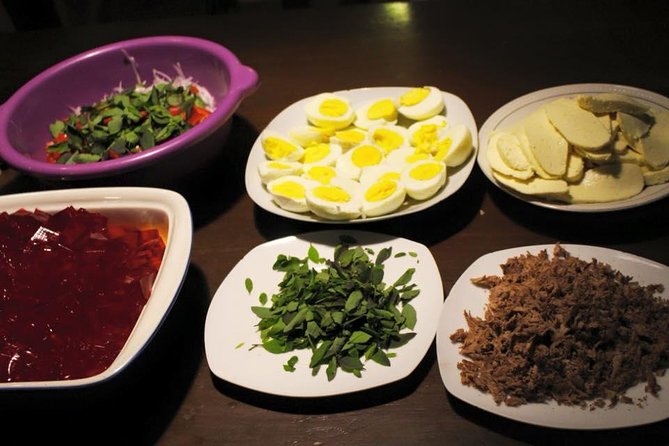
The exact three-course menu may change. The class has included salteñas, tucumanas, pasteles, cuñapes, and sonsos. One session focused on salteñas and began with chopping meat or mushrooms, potatoes, and onions. The filling was cooked, then cooled while the dough was prepared.
That order matters. Salteñas are not just empanadas with a different name. The filling, dough, folding technique, and baking all need to work together. You get a better feel for the dish when you make each part yourself.
Vegetarians should ask about the menu before booking, but a vegetable salteña has been offered. That is useful because vegetarian versions can be difficult to find in some places. Do not assume every workshop will include one, though. Requesting it in advance is the sensible move.
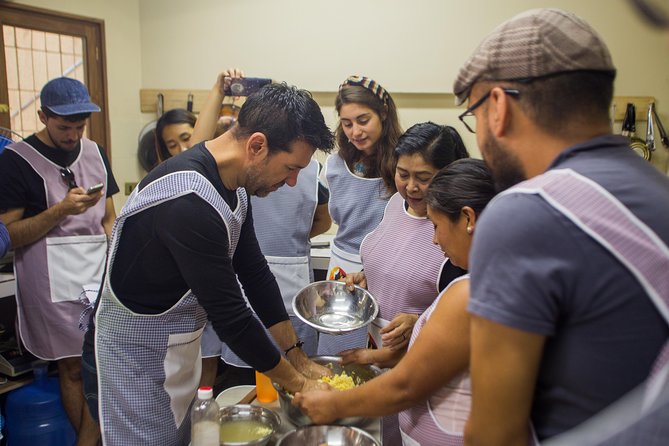
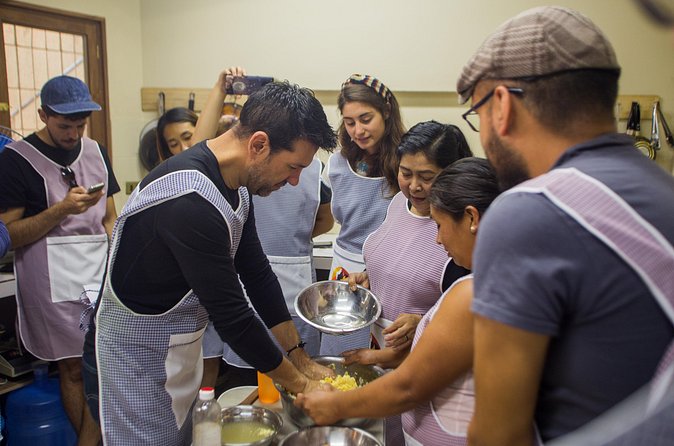
No previous cooking experience is required. The recipes are designed to be approachable, and the guide helps you through each stage. You should still expect to participate: chopping, mixing, shaping, folding, and handling the utensils rather than watching from the side.
The salteña lesson is the main attraction
If you have only one food in mind, make it the salteña. This baked Bolivian pastry is filled with a savory mixture and is famous for its juicy interior. It is also famously tricky to eat without spilling, so learning how the filling and dough are prepared gives you more respect for the finished product.
The salteña workshop covers the full sequence. You prepare the filling, make the dough, roll it out, add the filling, and fold the pastry in the traditional style. The shaped salteñas then go into the oven while the group turns to drinks or other parts of the meal.
That pause is useful. You get time to ask about ingredients, techniques, and the origins of the food. The instruction also gives you a window into Bolivian cooking beyond a restaurant menu.
At the end, you eat what you made. This is a simple point, but an important one. The food is not a token sample. The meal is part of what you paid for, and the finished pastries give you a clear sense of whether you understood the method.
If your goal is to master restaurant-quality salteñas immediately, keep expectations realistic. A three-hour class can teach you the process, but pastry work improves with practice. The value is in learning the method and gaining enough confidence to try again.
Same corner of Bolivia, a completely different day out:
- La Paz: Private City Tour with Cable Car & Moon Valley Visit
★ 4.9 · 508 reviews - La Paz: Full Day Trip to Copacabana and Isla del Sol
★ 4.5 · 400 reviews - La Paz: Mountain Bike Down the World’s Most Dangerous Road
★ 4.9 · 386 reviews - La Paz: Cholitas Wrestling Tickets and Transfer
★ 4.4 · 338 reviews
Other dishes can change the flavor of the day
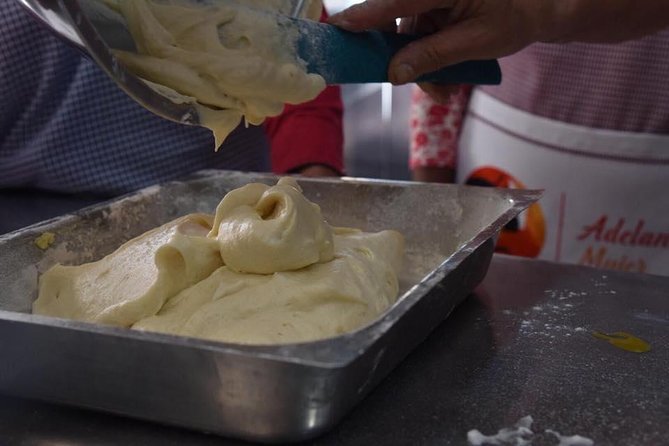
Adelante Mujer’s workshops are not limited to salteñas. You may work with tucumanas, pasteles, cuñapes, or sonsos, depending on the session.
Tucumanas and pasteles offer another look at Bolivian savory and sweet pastry traditions. Cuñapes are small cheese breads associated with eastern Bolivia, while sonsos are made with yuca and cheese. These dishes help show that Bolivian cooking is not one single style.
Because the menu is not fixed in the information provided, I would treat the advertised three-course format as the constant and the individual recipes as variable. If a particular dish is the reason you want to attend, contact Adelante Mujer before paying.
That flexibility can be a benefit. You might return for a second workshop and learn something entirely different. One person attended separate sessions for sonsos and cuñapes, then salteñas. The food focus can make this worthwhile even if you are spending several days in Cochabamba.
Cocktails make the kitchen social
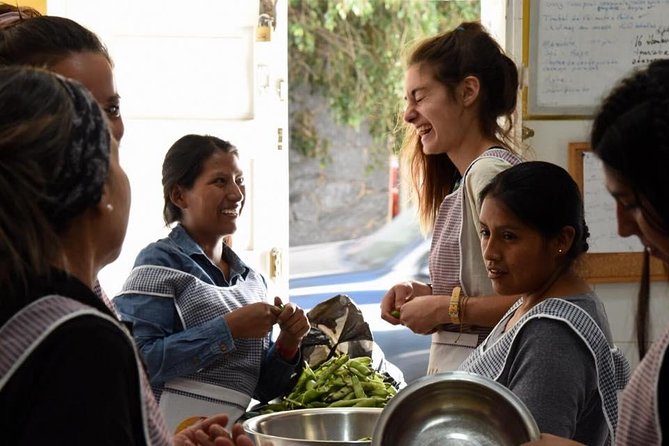
Alcoholic and non-alcoholic cocktails are included, and drinks are prepared during the workshop. This turns the class into more than a cooking lesson. You have something to sip while the filling cools, the dough rests, or the food bakes.
A salteña session included a local cocktail called chicha. The exact drinks may depend on the workshop, but the idea is clear: Bolivian food is presented with Bolivian flavors and a social drinking tradition.
You can choose non-alcoholic cocktails, which makes the activity suitable for people who do not drink. If you are drinking alcohol, remember that the class lasts about three hours and includes a full meal. Pace yourself, especially if you are attending during the day.
The drinks also create an easy setting for conversation. You can meet other people at the class without the awkwardness of trying to make small talk from scratch. The work gives everyone a shared task, and the meal gives the group a natural finish.
What the three hours are really worth
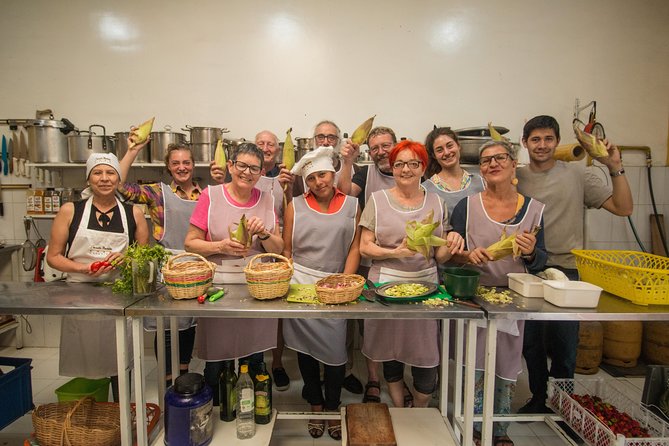
The advertised price is $29 per group, listed for up to 15 people. Another part of the information gives a maximum of 10 participants, so I would confirm the current limit before booking. That difference affects the atmosphere: a group of 10 feels more manageable for hands-on instruction than a group of 15.
Even with that point to clarify, the price includes a lot. You get the food, lunch, cooking utensils, cocktails, and English-to-Spanish or Spanish-to-English translation. Other languages may sometimes be available.
The strongest value is not the amount of food. It is the combination of a meal, a local cooking lesson, cultural explanation, and support for women in recovery. A basic restaurant lunch might cost less, but it would not give you the same access to the preparation or the organization’s social purpose.
The per-group pricing may be especially attractive if you are booking with friends or family. If the full group price applies, splitting $29 among several people makes this one of the more affordable organized activities in Cochabamba. Confirm the final terms, including the participant cap, since the published details do not fully match.
Language and group size
Translation between English and Spanish is included. That is helpful for cooking, where a small misunderstanding about texture, timing, or quantity can change the result.
The guide may explain ingredients, techniques, and food traditions as you work. You do not need advanced Spanish to take part, though learning a few food words will make the experience more enjoyable.
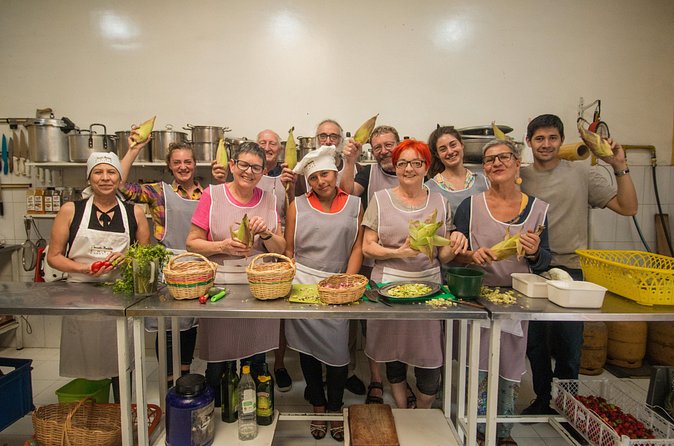
The activity is listed for a maximum of 10 travelers in its additional information, while the price description says up to 15 per group. Ask which figure applies to your date. The smaller number is preferable if you want close help with shaping dough or handling a new recipe.
A small group also gives you more time with the guide. That matters here because the workshop has a personal social mission. You are more likely to have a real conversation rather than simply follow instructions in a crowd.
Who should book this experience
I would choose this class if you want a cultural activity that produces something you can eat. It suits solo visitors, couples, families, and small groups who enjoy working with their hands.
It is also a good match if you want to support a local cause in a direct way. You are not asked to observe a formal presentation about empowerment. You support the women by taking part in work they have been trained to lead.
Food lovers will get the most from it, especially anyone curious about salteñas or Bolivian pastries. People with little cooking experience can join, and more confident cooks should still find the dough, filling, and folding stages useful.
I would hesitate only if you need a tightly fixed menu, private transportation, or a polished restaurant-style service. The appeal is the shared kitchen and the human contact. It is not designed as a private luxury meal.
The workshop also suits people who prefer slow cultural activities over a packed sightseeing schedule. Three hours gives you time to settle into the process rather than rush from one photo stop to the next.
Practical details that can affect your choice
Book ahead if your schedule is tight. The experience is booked an average of 25 days in advance, so a last-minute place is not guaranteed. Confirmation arrives within 48 hours, subject to availability.
You can cancel for a full refund if you do so at least 24 hours before the start time. Cancellations or changes made inside that window are not refunded or accepted. The cut-off follows Cochabamba local time.
Wear something comfortable for cooking, though no special equipment is listed as necessary. All cooking utensils are provided. Since private transportation is excluded, check your route to Warmi Wasi before the activity begins.
If you have dietary needs, ask ahead. A vegetarian salteña option has been available, but the information does not promise a specific menu or accommodation for every restriction.
Should you book Adelante Mujer?
Yes, if you want hands-on Bolivian food, a social setting, and a clear way to support women rebuilding their lives. The salteña workshop is especially appealing because it teaches the full process, from filling to folding to baking.
Book with two questions in mind: which dish will be prepared on your date, and is the group limit 10 or 15? Once those details are confirmed, the $29 price offers strong value, particularly for a group splitting the cost.
I would make this a priority in Cochabamba if you enjoy food and want an activity with purpose. You leave with a meal, new cooking skills, and a better understanding of how local food connects with community life.
FAQ
How long does the Adelante Mujer cooking workshop last?
The workshop lasts approximately three hours, including food preparation, cocktails, explanations, and the meal at the end.
Where does the activity begin and end?
It begins at Warmi Wasi Adelante Mujer in Cochabamba and ends back at the meeting point. The activity is associated with Proyecto Martadero.
Is transportation included?
No. Private transportation is not included, but the meeting point is near public transportation.
What food will I learn to prepare?
You will prepare a traditional Bolivian three-course meal, but the exact menu can vary. Workshops have included salteñas, tucumanas, pasteles, cuñapes, and sonsos.
Are drinks included?
Yes. Alcoholic and non-alcoholic cocktails are prepared during the workshop. Chicha has been included in a salteña session.
How many people can join the workshop?
The information lists a maximum of 10 participants, while the price description says the $29 group rate covers up to 15 people. Confirm the current group limit when booking.
Just added around Bolivia
- Uyuni: Classic Uyuni Salt Flats Tour + Hotel Pickup★ 3.0 · 4 reviews
- Uyuni tour express from Sucre by bus (round trip)★ 4.2 · 4 reviews
- UYUNI SALT FLAT: SUNRISE & STARLIGHT EXPERIENCE★ 3.1 · 3 reviews
- UYUNI SALT FLAT: SUNSET & STARLIGHT EXPERIENCE★ 5.0 · 3 reviews
- Uyuni: Salar de Uyuni Traditional Tour+Sunset Tour★ 4.8 · 3 reviews
- Uyuni: 3-Days Salt Flats and Desert Adventure Tour with Food★ 3.8 · 4 reviews
- Uyuni: Full-day tour, Salt flats and Sunset experience★ 4.8 · 5 reviews
- Uyuni: Salar de Uyuni and San Pedro de Atacama 3-Day Tour★ 4.2 · 4 reviews