
Reviewed · DEATH ROAD BIKE TOURS
World’s Most Dangerous Road “Private” Mountain Biking Trip
Death Road earns its name with a narrow, rough track cut into the Bolivian Andes, but this private trip gives you a controlled way to experience it. You start high at 4,650 meters, then ride down to 1,200 meters in the Yungas, trading cold mountain air for warm subtropical forest in a single day. I like the strong equipment and the private format, which lets you ride at your own pace instead of chasing a large group.
I also like the personal touch. Guides such as Marcello and Marcelo have been praised for their clear English, Spanish, route knowledge, safety advice, and careful attention to photo stops. The main consideration is physical: you should already feel comfortable on a bike, and the long day demands moderate fitness. The road is exciting, not effortless.
Key points to know before you book
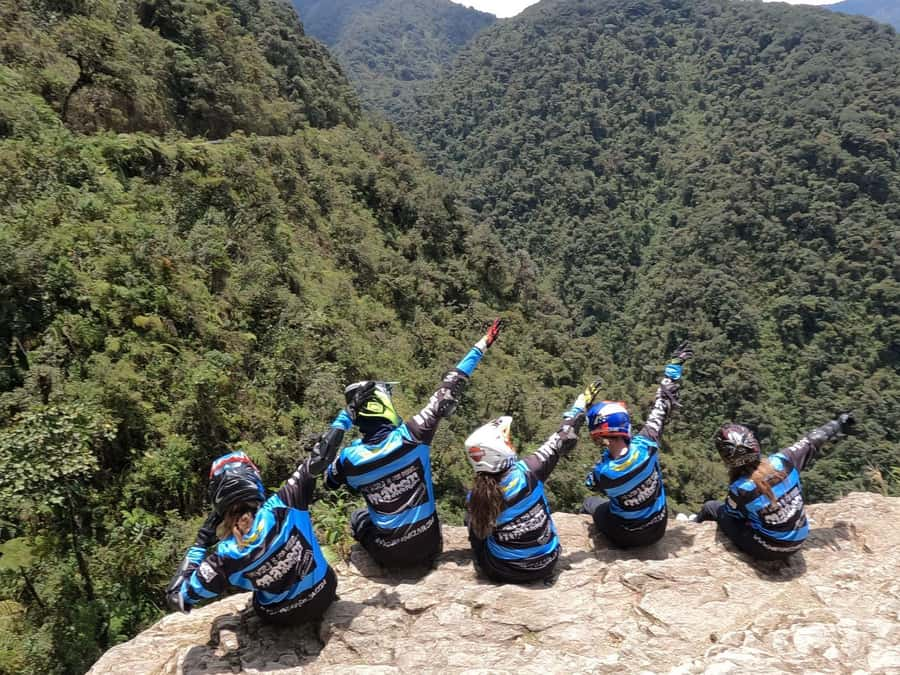
- 4,650 to 1,200 meters: You move from the high Andes to the Yungas in a few hours, with a major change in temperature and scenery.
- Private pacing: Your booking runs on its own date, and you do not need to match the speed of a larger group.
- Good protective kit: A full-face helmet, gloves, elbow and knee pads, rain gear, and a full-suspension mountain bike are included.
- Marcello and Marcelo: The guides are known for calm support, strong English and Spanish, and useful advice along the route.
- Lunch and a pool stop: The day finishes with food and time to cool off after the descent.
- Bring 50 BOB: Admission costs 50 bolivianos, about 8 US dollars, per person, and is not included in the tour price.
From icy Andes air to the Yungas
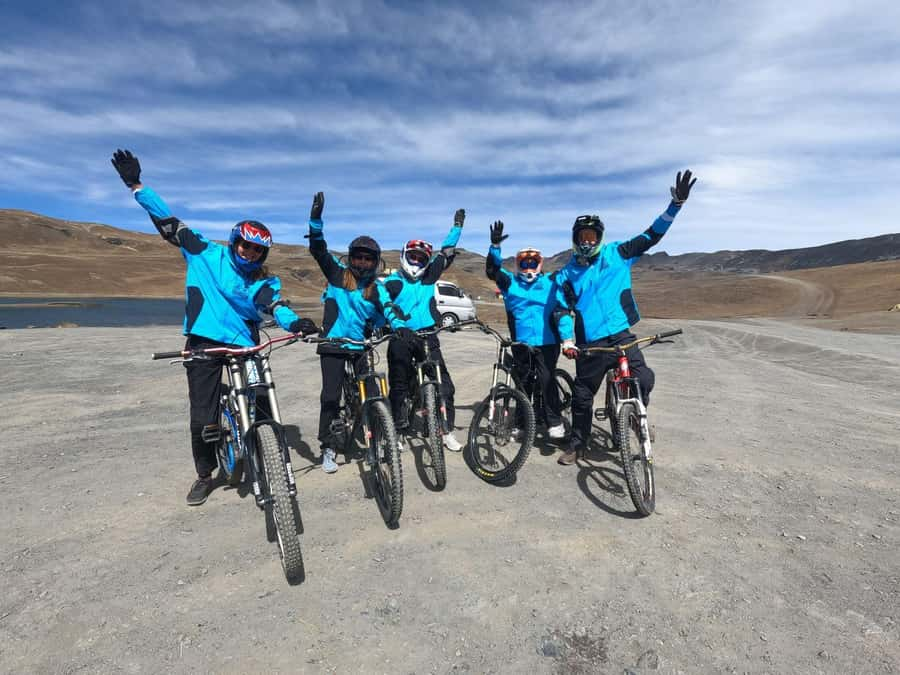
The appeal here is not just the road. It is the fast change in altitude and climate. You begin among the Andean mountains at 4,650 meters, where the air is thin and the setting feels stark and high. By the end, you are down at 1,200 meters in the subtropical Yungas.
That contrast gives the day its shape. You are not simply riding one track for hours. You are moving through a dramatic slice of Bolivia, starting in high mountain country and finishing in warmer forest. I would bring sunscreen even on a cloudy morning, since the high-altitude sun can be strong, and keep the camera ready for the changing views.
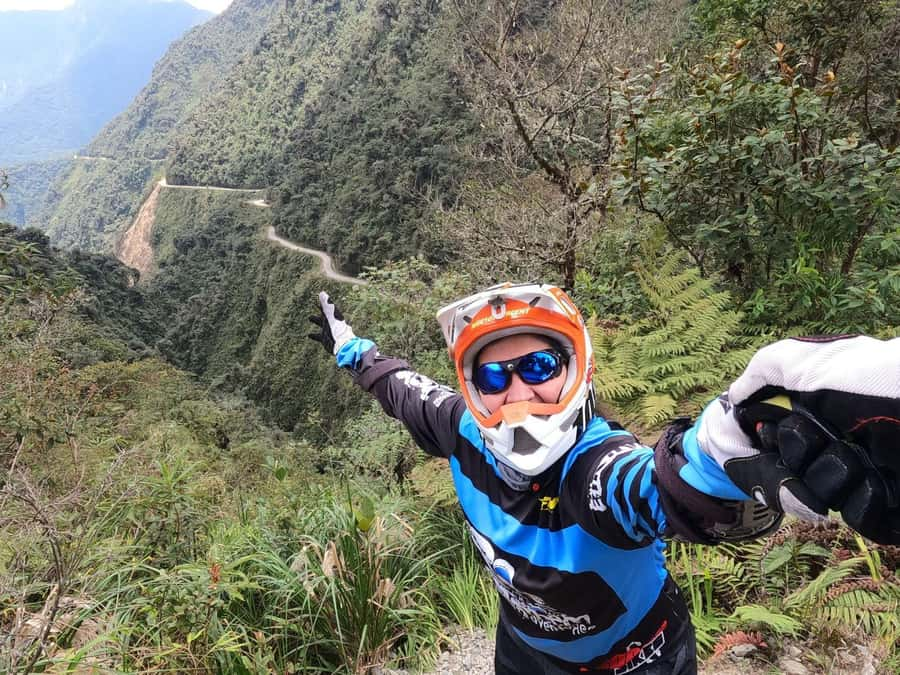
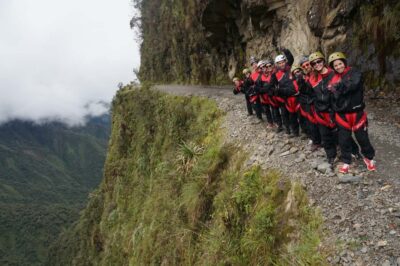
The route is tied to a rough dirt road built during the Chaco War. It is about three meters wide in places, which explains the road’s fearsome reputation. The appeal for most riders is the sense of exposure and adventure, but the quality of the guide, driver, bike, and protective gear matters just as much as the scenery.
This is not a casual city bike ride. You should be comfortable controlling a bicycle and in moderate physical condition. You will need enough balance, focus, and stamina to handle a full day with a long downhill section.
More Death Road rides from La Paz:
- La Paz: Mountain Bike Down the World’s Most Dangerous Road
★ 4.9 · 386 reviews - La Paz | Death by Bike Route | Lunch
★ 3.4 · 7 reviews - From La Paz: 3-Day Biking Tour Death Road & Uyuni Salt Flats
★ 4.7 · 4 reviews
Why the private format matters on a narrow road
A private trip is useful here for more than comfort. On a narrow mountain road, different riders can have very different speeds and confidence levels. The private setup means you can ride without worrying about being the slow person at the back or holding up stronger riders.
The advertised maximum is 10 participants, but the private arrangement can feel much smaller. One booking had only two riders, which allowed Marcello to make the day highly personal. That does not guarantee you will be alone, but it shows why this format can suit couples, friends, or families with older children who want more control over the pace.
Your guide leads the ride, while a professional driver supports the group. That backup is important on a route where you want to focus on steering and the road ahead rather than on transport problems. The guide is there throughout the ride, and the driver remains part of the support system.
I would choose this option over a large group if you are nervous about your ability, want more time for photos, or prefer not to be rushed. It can also suit confident riders who want a quicker, more direct day. The private format does not remove the physical challenge, but it gives you more room to manage it.
The bike and safety gear you receive
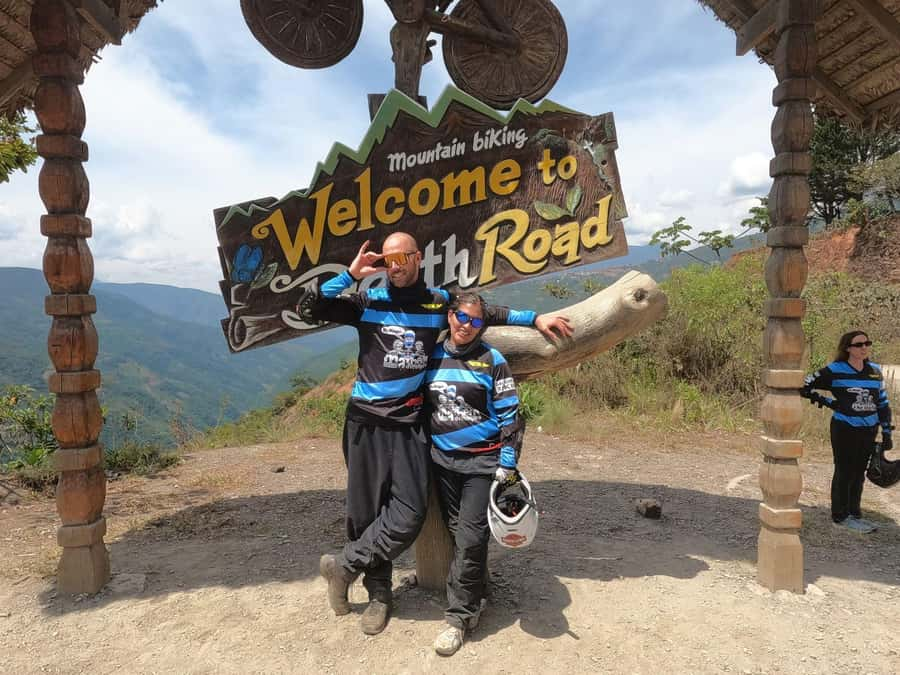
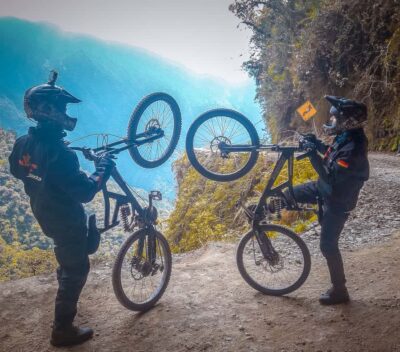
The included bike is a top-of-the-line full-suspension mountain bike. That matters on a rough dirt road, where a basic rental bicycle could make the ride harsher and less forgiving. Full suspension helps absorb bumps, while a well-maintained bike should give you more confidence when the surface changes.
You also receive full body safety equipment:
- Full-face helmet
- Gloves
- Elbow pads
- Knee pads
- Rain pants
- Rain jacket
This is one of the strongest parts of the package. The full-face helmet protects more than a standard bicycle helmet, and the elbow and knee guards make sense on a rocky route with tight handling. Rain gear is useful because conditions can change as you move from cold highlands toward the Yungas.
The equipment does not make the ride risk-free. You still need to follow instructions, control your speed, and ride within your ability. A good bike and protective kit are there to reduce the consequences of a mistake, not to encourage reckless riding.
If you are tall or heavy, check the limits before paying. The trip is not suitable for anyone over 100 kilograms or taller than 2 meters. The information also lists a maximum height of 6 feet 6 inches, which is slightly different in wording but points to the same practical limit. Children under 10 are not accepted, and the trip is not suitable for pregnant women or people over 70. The listing also gives a separate upper age limit of 95, so older riders should confirm suitability before booking.
What the day is likely to feel like
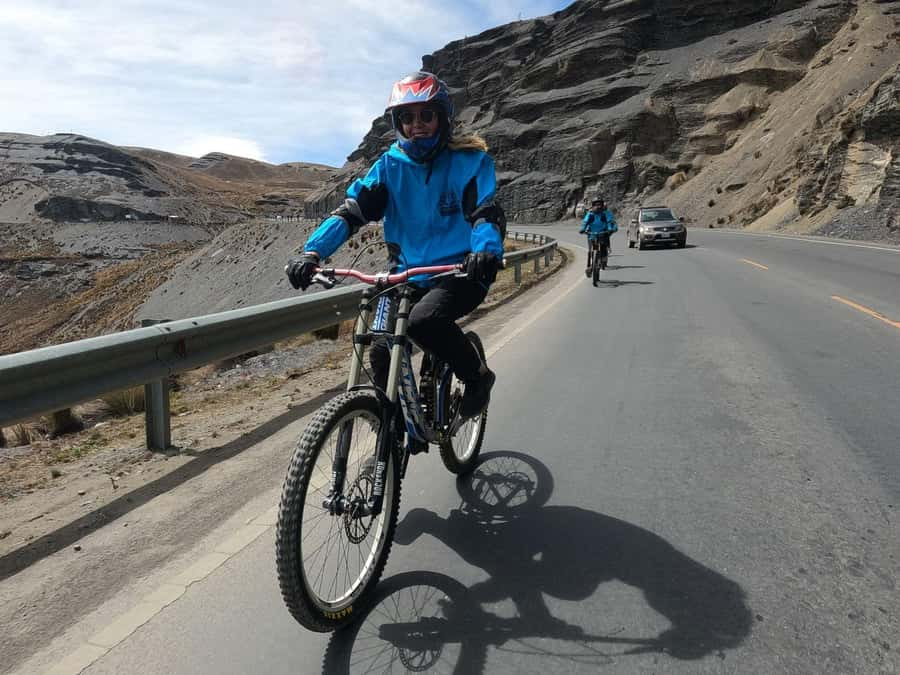
Round-trip transport is included from hotels and hostels in central La Paz. Pickup does not cover Zona Sur or El Alto Airport unless you pay an extra cost, and a central meeting point will be provided for those locations.
The day lasts about 12 hours, so plan around a full-day commitment. You will be picked up in La Paz, travel toward the high starting point, prepare with the bike and protective equipment, and then begin the descent from the Andes.
The exact starting time depends on availability, so check it before you book. The long duration includes transport, riding, stops, and the finish at the lower elevation. It is not simply 12 hours of continuous cycling, but you should still expect a demanding day away from your hotel.
The guide’s role is especially useful at the start. You will want clear instructions on the bike, the road, and how to handle the descent. Marcello has been praised for keeping riders secure and offering practical advice throughout the route. Marcelo has also been praised for his English, Spanish, route knowledge, and choice of photo spots.
Language should not be a major barrier if you speak English or Spanish. The tour is offered in both languages, and a guide can explain the route and safety points before you ride.
More bike days around La Paz:
- From La Paz: The World’s Most Dangerous Road Biking Tour
★ 4.7 · 68 reviews
Riding the three-meter-wide Death Road
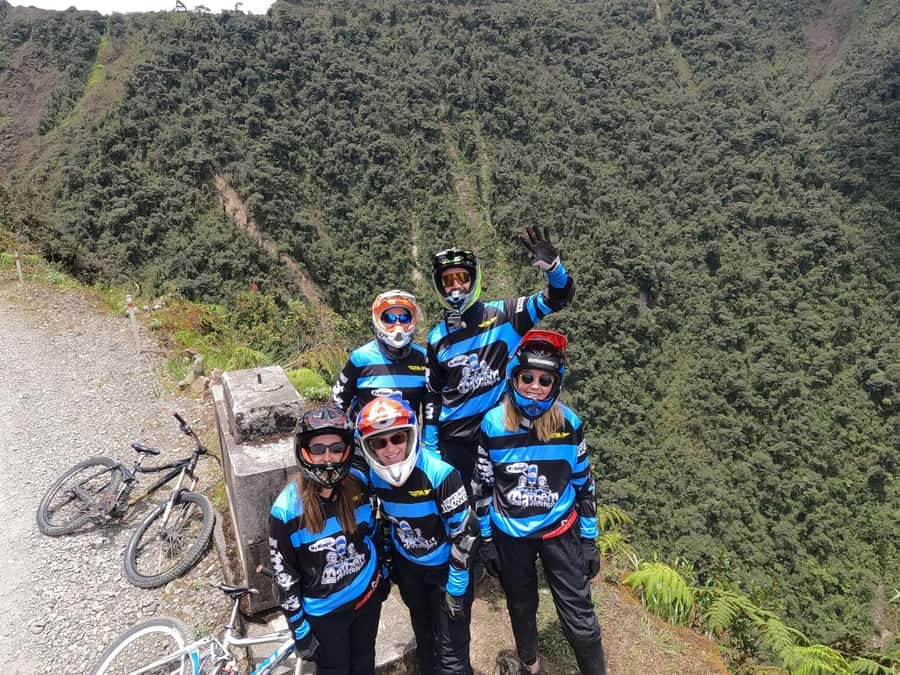
The road itself is the main event. Its narrow width and rough surface make the ride feel serious, even when you are moving downhill. You should expect the guide to set a safe rhythm and point out places where you need extra care.
I would not treat this as a race. The private format lets you take the descent at a pace that matches your confidence, which is one of the clearest reasons to pay for this version of the trip. Strong riders can enjoy the momentum, while less experienced riders can slow down without feeling embarrassed.
The route’s reputation comes from its old use by vehicles on a very narrow dirt track. This tour presents it as a cycling route without the dangerous vehicle traffic that once used the road. Even so, the road remains a demanding place to ride. Loose dirt, narrow sections, changes in surface, and the steep mountain setting all require attention.
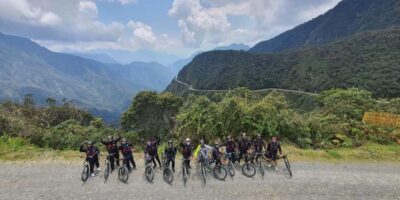
Photo stops are part of the pleasure. Marcelo has been praised for showing riders good places for photographs, so you should have chances to record the shift from high Andean scenery to the Yungas. Keep your camera secure and only stop where the guide says it is safe.
The best approach is to enjoy the thrill without trying to prove anything. You will get a more memorable day by staying upright, listening carefully, and taking in the setting than by chasing speed.
Lunch, water, and the pool at the finish
Food and drinks are included in a practical way. You receive lunch, snacks, and water, so you do not need to organize a full day’s supply yourself. Alcoholic drinks, soft drinks, and other beverages are not included, so budget separately if you want them.
The finish includes a pool stop. After the cold start and long descent, that is a welcome change of pace. It gives you time to relax rather than ending the day the moment you leave the road.
The final meal and pool visit also help make this feel like a full excursion instead of a bicycle rental with transport. You get the active part, then a chance to recover before returning to La Paz. One rider also noted that the company went beyond the ride with gondola tours, but treat that as an occasional extra rather than a guaranteed part of this package.
Is $149 a fair price?
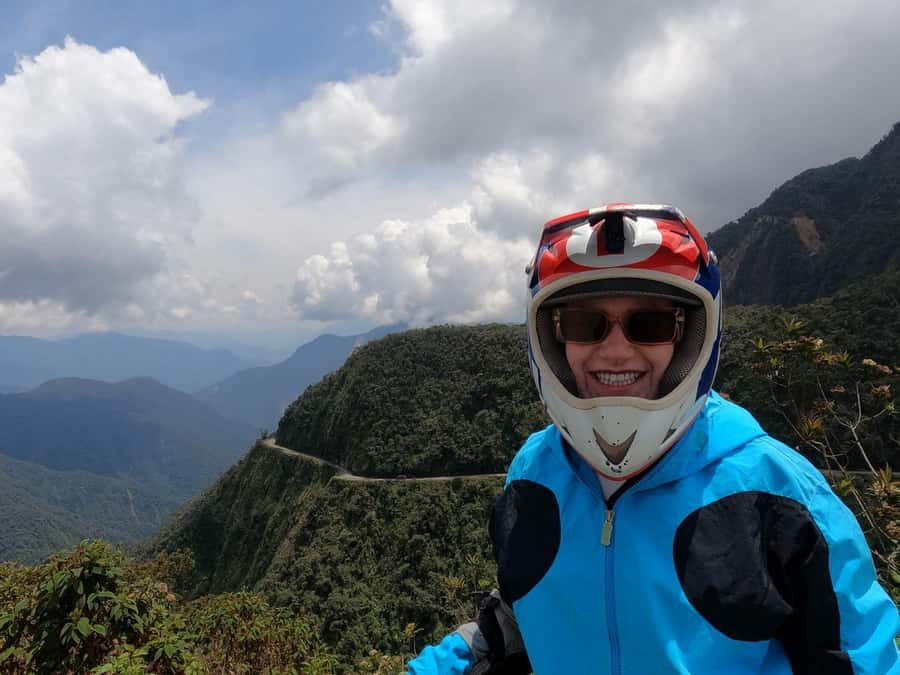
At $149 per person, the value depends on how much support you want. This is not the cheapest way to reach Death Road, but the price includes a full-suspension mountain bike, complete safety gear, round-trip transport, a guide, a professional driver, lunch, snacks, and water.
The private format is the key value. You are paying for a more personal day and more flexibility, not just the ride itself. If you would otherwise spend the descent waiting for slower riders or struggling to keep up with a fast group, the extra cost can be worthwhile.
It is also useful for riders who do not want to rent equipment separately. Full-face helmets, guards, rain gear, and a quality bike would be awkward to arrange on your own, especially when transport is also needed. Here, the major pieces are bundled together.
You still need to add the 50 BOB admission fee per person. Alcoholic and soft drinks cost extra, and pickup from excluded areas can carry an additional charge. Include those costs when comparing this tour with other options.
Who should book this ride?
I would recommend it to an adult or older child who is comfortable on a bicycle, wants a full-day adventure, and values personal attention. It is particularly suitable for couples, friends, and small private parties with different riding speeds.
It is also a good match if you want English or Spanish guiding and would rather have a guide who stays close to the group. The strong feedback about Marcello and Marcelo points to the importance of the human side of the tour: calm support, clear advice, and help with photographs.
I would think twice if you dislike steep or narrow roads, have poor bike control, or want a relaxed sightseeing day. The downhill direction helps, but the route is still physically and mentally demanding. The 12-hour schedule may also feel long if you prefer short activities.
The weather can be another consideration. Rain pants and a jacket are supplied, but you should still expect conditions to vary as you cross from high mountain altitude to warmer Yungas country. Wear practical clothing, bring sunscreen, and pack a camera if you want to preserve the views.
Should you book the private Death Road trip?
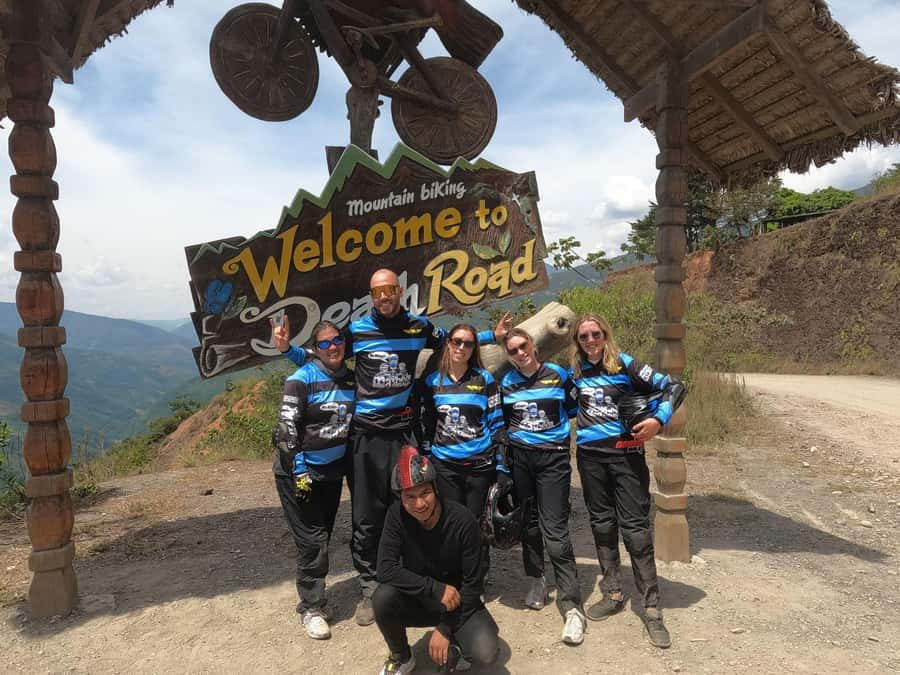
Book it if you want the classic Death Road experience with strong equipment, a professional driver, a dedicated guide, and freedom to ride at your own pace. The full-suspension bike, full-face protection, lunch, pool stop, and included transport make the $149 price reasonable for a carefully supported day.
Skip it if you are not comfortable on a bike or want a low-effort excursion. The private format improves the experience, but it cannot change the character of the road. For the right rider, this is one of Bolivia’s most memorable ways to connect the Andes with the Yungas.
FAQ
How long does the Death Road biking trip last?
The tour lasts 12 hours, including transportation, the ride, stops, lunch, and the end-of-day pool visit.
Where does the ride start?
The ride starts at about 4,650 meters in the Andean mountains.
Where does the ride finish?
The descent finishes at about 1,200 meters in the subtropical rainforest of the Bolivian Yungas.
Is transportation from La Paz included?
Yes. Round-trip transportation is included from hotels and hostels in downtown La Paz.
Are Zona Sur and El Alto Airport included in pickup?
No. Pickup from Zona Sur and El Alto Airport is excluded and incurs an extra cost. A central pickup point will be provided.
What safety equipment is provided?
The tour provides a full-face helmet, gloves, elbow and knee pads, rain pants, and a rain jacket.
What kind of bicycle is included?
A full-suspension mountain bike is included.
Is lunch included?
Yes. Lunch, snacks, and water are included. Alcoholic drinks, soft drinks, and other beverages are not included.
How much is the admission fee?
Admission costs 50 BOB, about 8 US dollars, per person, and is not included in the tour price.
What languages are available?
The live guide service is available in English and Spanish.
Just added around La Paz
- Private Tour of Tiwanaku Ruins from La Paz★ 5.0 · 3 reviews
- Private Tiwanaku and Titicaca Day Trip from La Paz★ 4.8 · 3 reviews
- La Paz: Uyuni tour ending in Atacama Chile by bus.★ 3.9 · 3 reviews
- From La Paz: Lake Titicaca and Copacabana Private Tour★ 5.0 · 5 reviews
- LA PAZ: GUIDED TOUR CHACALTAYA + VALLEY OF THE MOON★ 3.6 · 3 reviews
- La Paz: The Feminist Tour★ 5.0 · 3 reviews
- Titicaca Lake: Highlights Tour from La Paz by Bus★ 4.0 · 3 reviews
- From La Paz: Trip to Uyuni Salt Flats with Wine at Sunset★ 4.4 · 4 reviews
Death Road Bike Tours, compared.
Mountain Bike Down the World’s Most Dangerous Road
Read our review →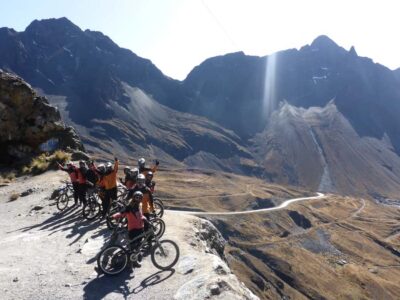
Browse the lists this tour appears in