
Reviewed · SANTA CRUZ DE LA SIERRA TOURS
Discover Santa Cruz and Porongo
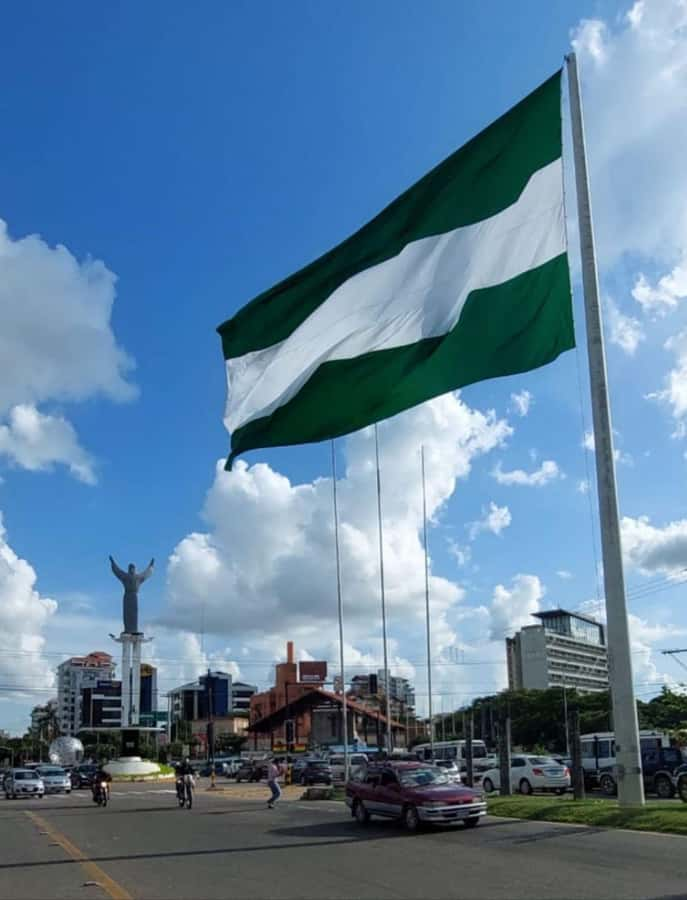
Santa Cruz changes character quickly on this three-hour city and village tour. You’ll see the Cristo Redentor monument, the central square and cathedral, then move through polished Equipetrol and Urubó before reaching slower-paced Porongo and its Chiquitano church. I like that mix of city life and local tradition, and I like that bilingual guides Joel and Sergio have been singled out for being attentive and informative. The main caution is time: this is a fast overview, not a leisurely history walk.
I also appreciate the easy hotel pickup in central Santa Cruz and the small-group feel suggested by the van-based format. At $69 per person, the value is strongest if you have only a few hours and want transport between scattered sights. Guide quality matters here, so ask for clear explanations at the churches, since one past experience found the driving better than the historical commentary.
- Cristo Redentor first: Start with Santa Cruz’s well-known monument and a useful photo stop.
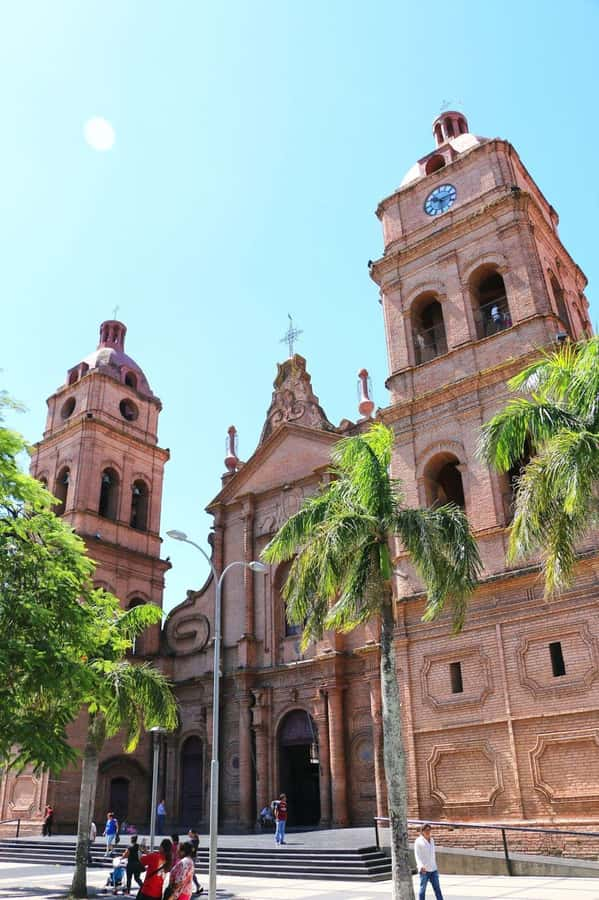
- Colonial center in a short walk: See 24 de Septiembre Main Square and the Metropolitan Cathedral.
- Modern Santa Cruz included: Pass through Equipetrol, the city’s commercial and business district.
- City-to-country contrast: Cross through Urubó and continue to the quieter village of Porongo.
- Chiquitano architecture: Visit Porongo’s historic mission-era church and cultural Altar Chiquitano.
- Simple three-hour plan: Get hotel pickup in central areas, bilingual guiding, and a return to the pickup area.
Why this tour works for a short stay in Santa Cruz
Santa Cruz is spread out, and its important sights do not all sit within an easy walking route. This tour solves that problem with a van, linking the central monuments with the western districts and Porongo. You can get a useful first look at the city without spending your limited time arranging taxis or figuring out the route yourself.
The pace is brisk. The schedule allows roughly 15 minutes at Cristo Redentor, about 20 minutes at another cultural or photo stop, a short guided visit in the central area, around 30 minutes at a later stop, and driving time between districts. You’ll see a lot, but you should not expect long museum visits or extended time inside every church.
That makes the experience best for a first morning, a free afternoon, or a stopover. If you want detailed architectural study, relaxed café time, or a full day in Porongo, you’ll need a longer plan.
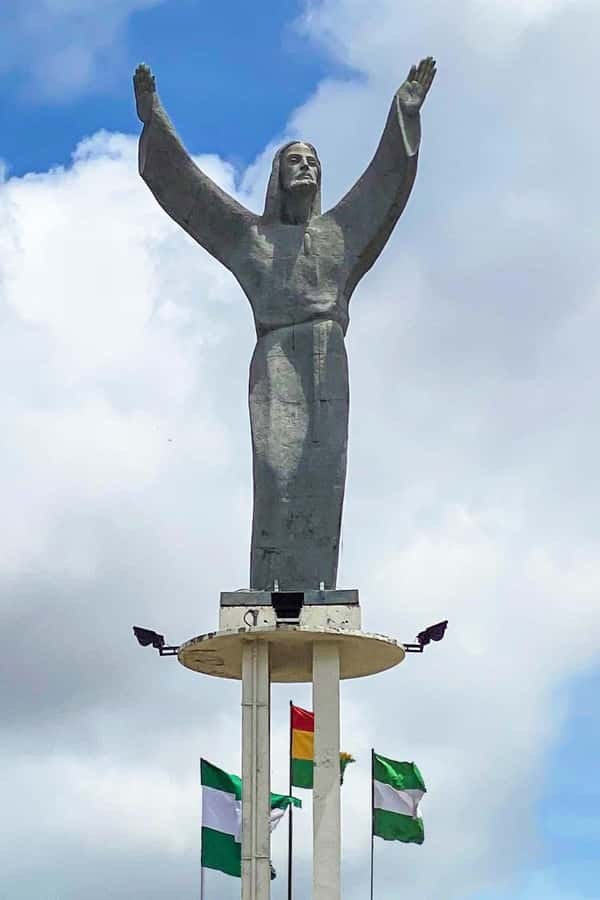
Cristo Redentor gives you an immediate city marker
The tour begins at the Cristo Redentor monument, one of Santa Cruz’s most recognizable symbols. The statue gives you a clear first photo and a sense of place before the rest of the route begins.
You’ll have about 15 minutes here. That is enough for pictures and a short explanation, but not enough for a long visit. Bring your camera, sunglasses, hat, and sunscreen, especially if you are sensitive to strong sun.
This first stop is useful because it starts with a landmark rather than a vague drive around town. You can identify the city’s visual symbol, hear why it matters locally, and then continue with a better sense of where you are.
A few more Bolivia days to weigh up
- Santa Cruz: Wildlife Sanctuary and Preservation Park Tour
★ 4.7 · 73 reviews - Walking tour – A journey through the History of Santa Cruz
★ 4.8 · 61 reviews - Santa Cruz: Lomas de Arena Sandboard
★ 4.7 · 34 reviews
Altar Chiquitano connects Santa Cruz with eastern Bolivia
The Altar Chiquitano introduces an important cultural thread: the Jesuit Missions and the Chiquitano architectural tradition. This is more than another quick photo stop. It gives the tour a cultural focus that becomes clearer later in Porongo.
The stop is planned for about 20 minutes and may include a guided visit and photographs. The exact order can vary with traffic and the day’s timing, but you should expect a compact introduction rather than a long cultural program.
Pay attention to the building details and the way the guide explains the connection between mission-era design and the region. If Joel or Sergio leads your visit, ask direct questions. Their friendly, attentive style has been particularly well received, and a good question can make a short stop much more useful.
24 de Septiembre Main Square shows the city at street level
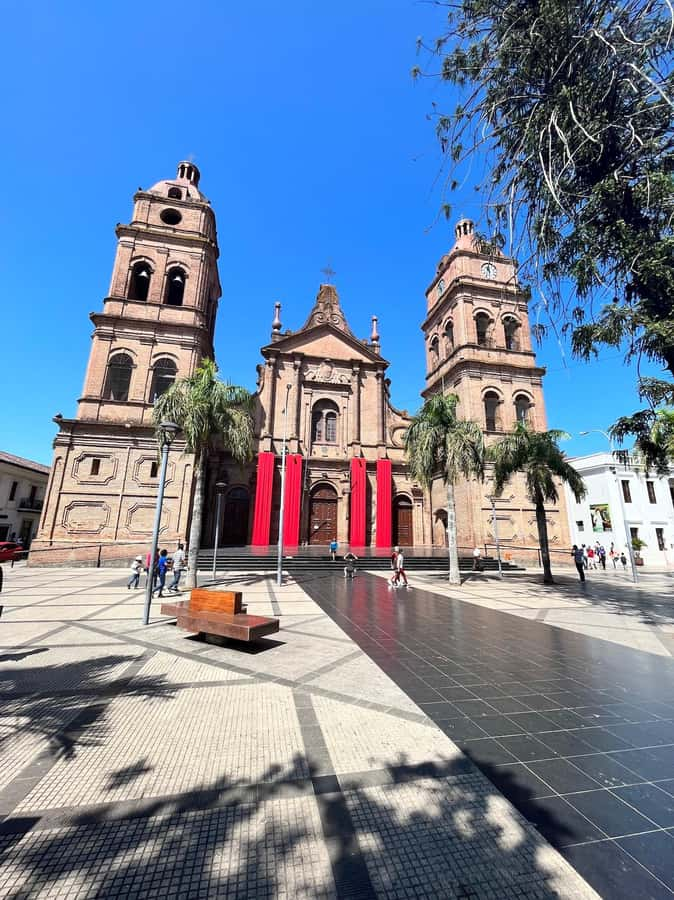
The main square is where Santa Cruz feels most like a city center rather than a collection of separate districts. It is surrounded by cafés, museums, and public spaces, with colonial and newer buildings sharing the same setting.
The schedule allows only a short guided visit and walk. That limitation is worth knowing before you book. You’ll get an orientation to the square, likely some context about local life, and time to look around, but you will not have much time to sit with a coffee or browse nearby places on your own.
I like this stop because it adds ordinary city life to the monument and mission-focused parts of the tour. The main square lets you see where people gather, how the center is arranged, and how older architecture fits into present-day Santa Cruz.
The Metropolitan Cathedral rewards a closer look
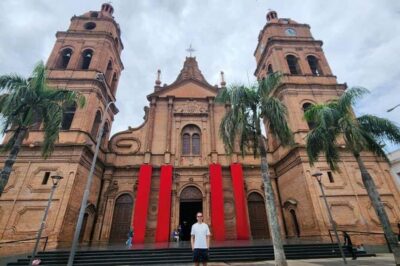
The cathedral is one of the tour’s main architectural stops. Inside, the focus is on its history, religious art, walls, and stained-glass windows. It gives you a chance to move from broad city views to details you might miss from a vehicle.
The visit is brief, so you should treat it as an introduction. If the guide is strong on local history, this is one of the places where the tour can become much more than a series of photographs. A past booking reported that the guide was pleasant but could not answer basic questions about the city’s major church, so it is sensible to confirm that your guide will explain the cathedral clearly.
That criticism is the main qualification to keep in mind. Most of the named guide feedback centers on Joel and Sergio as punctual, polite, helpful, and informative, but individual guide assignments can affect the quality of a history-focused tour.
Same corner of Bolivia, a completely different day out:
- La Paz and El Alto: Cable Car Rides and Walking Tour
★ 4.8 · 790 reviews - Day Trip to Uyuni Salt Flats
★ 4.0 · 602 reviews - La Paz Half-Day Walking Tour
★ 4.8 · 591 reviews - La Paz: Private City Tour with Cable Car & Moon Valley Visit
★ 4.9 · 508 reviews
Equipetrol shows modern Santa Cruz
Equipetrol offers a sharp change from the cathedral and main square. It is Santa Cruz’s modern commercial and business district, with exclusive shops, restaurants, and newer urban development.
You will mostly see this area from the van rather than explore it on foot. That is still useful. A city tour should show how Santa Cruz lives now, not only its religious and colonial landmarks.
For many people, Equipetrol is also a practical pickup point. The tour includes hotel transportation from central areas, and the stated pickup location is Barrio Equipetrol. Confirm your exact pickup details when booking, especially if your hotel is outside the downtown service area.
Urubó adds a suburban contrast
The route then crosses toward Urubó, known for upscale residences, greenery, and a quieter atmosphere. This is not a historic site with a long stop. It is a look at the newer, more private side of the Santa Cruz area.
The contrast matters. Within a short drive, you move from the central square and cathedral to commercial development, then to exclusive residential areas surrounded by vegetation. You’ll see how the city expands beyond its older core.
Keep your expectations practical. This section is primarily a drive and sightseeing passage, not a chance to visit private residences or spend time in a public attraction. It works best as part of the wider picture.
Porongo slows the pace
Porongo is the most distinctive change in the route. Once you leave the city, the tour reaches a village where daily life moves at a slower rhythm. You’ll have a chance to see a more local setting and experience a different mood from central Santa Cruz.
The village stop is valuable because it prevents the tour from becoming only a standard urban circuit. You are not simply checking off monuments. You are also seeing how the city connects to nearby communities and how quickly the built environment changes.
The experience remains short, so do not expect a long village walk or an entire afternoon with local residents. Still, Porongo gives the tour its strongest sense of contrast. If you have already spent time in Santa Cruz’s central districts, this may be the part you remember most.
Porongo’s Chiquitana church is the cultural centerpiece
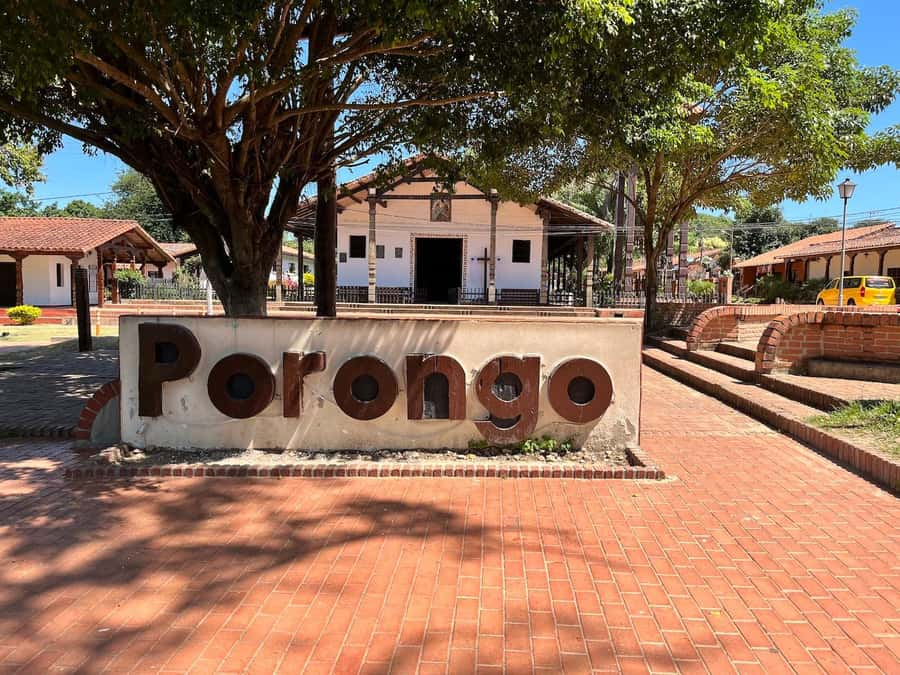
The church in Porongo is described as an authentic church from the period of the Chiquitano missions. Its architecture and connection to the region’s mission story make it one of the most meaningful stops on the route.
This is where the earlier Altar Chiquitano visit should make more sense. You can compare the cultural presentation in the city with an actual church in a village setting. Look at the structure, decorative details, and the way the building fits into Porongo’s slower pace.
There is an optional entrance charge for the viewpoint in Porongo: USD 0.75 or BOB 5. That small cost is not included, so keep some cash in bolivianos or dollars. The tour information does not describe the viewpoint in detail, so ask your guide what you’ll see before paying if you are deciding how to use your limited time.
What the van and timing mean for you
The transport is central to the tour’s value. The listed driving segments include about 20 minutes after pickup, another 20-minute transfer, a 15-minute ride, a 40-minute ride, and a final 30-minute section before returning. Traffic can affect the exact rhythm, but the plan clearly includes substantial time in the vehicle.
That is not a flaw by itself. Santa Cruz and Porongo are separate settings, and a vehicle is the practical way to connect them in three hours. It does mean you should bring water, wear breathable clothing, and choose comfortable shoes for the walking stops.
The tour includes an English- and Spanish-speaking guide. Communication has been praised as timely, and Joel has been described as punctual, patient, polite, and attentive. Sergio has also been praised for his service and pride in showing his country. Since guide assignments can vary, ask questions early and let the guide know which parts matter most to you, such as architecture, local life, or photography.
The pickup is included from downtown hotels, and the return is to the Barrio Equipetrol area. Leave a working WhatsApp number for emergency contact. Bring your passport or an accepted copy, along with cash for the Porongo viewpoint and any personal purchases.
Is $69 a fair price?
At $69 per person, this is not the cheapest way to look at a city. Its value comes from combining transport, a bilingual guide, central landmarks, modern districts, and Porongo in one compact outing.
If you tried to arrange the same route independently, you would need to organize several rides and decide how to connect central Santa Cruz with the village. The tour removes that planning work. For a solo visitor, someone new to Bolivia, or anyone with only one free afternoon, that convenience can justify the price.
The value is less convincing if you want to linger. You are paying for coverage and coordination, not long visits at each stop. A private taxi route might give you more control, but it would not necessarily provide the same explanations or cultural structure.
The guide is the swing factor. Joel and Sergio have received strong praise for friendliness, punctuality, and useful information. One less positive experience found the guide better at driving than explaining history. If historical detail is essential to you, contact Buhos Tours before booking and ask who will guide your departure.
Who should book this Santa Cruz and Porongo tour?
I would recommend it to first-time visitors who want a quick orientation, solo visitors who prefer organized transport, and anyone staying centrally with limited time. It also suits people who want to see both modern Santa Cruz and a nearby village rather than spend three hours only around the main square.
It may not suit you if you dislike driving between stops, need a slow photographic outing, or want a long visit inside the cathedral and Porongo church. The schedule is designed to cover ground.
Wear light, breathable clothes and comfortable shoes. Pack sunscreen, sunglasses, a sun hat, a camera, and cash. The tour takes place outdoors at several stops, and the practical items will make the short visits easier.
Should you book it?
Book this tour if you want an efficient first look at Santa Cruz with a meaningful side trip to Porongo. The combination of Cristo Redentor, the cathedral, Equipetrol, Urubó, and the Chiquitano church gives you more range than a basic downtown walk.
I would book it with one question first: who is guiding your departure? With Joel or Sergio, the experience is likely to be especially strong for personal service and clear communication. If you want a relaxed, detailed history lesson, choose a longer or more specialized option. If you want to see the city and its nearby cultural setting in one well-organized morning or afternoon, $69 is a reasonable convenience price.
FAQ
How long does the Santa Cruz and Porongo tour last?
The tour lasts three hours, including transportation between Santa Cruz, its districts, and Porongo.
What places are visited?
The route includes Cristo Redentor, the Altar Chiquitano, 24 de Septiembre Main Square, the Metropolitan Cathedral, Equipetrol, Urubó, Porongo, and the Chiquitana church in Porongo.
Is hotel pickup included?
Yes. Hotel transportation is included from downtown areas. The stated pickup location is Barrio Equipetrol, so confirm your hotel’s eligibility before booking.
What languages does the guide speak?
The tour provides a live guide in Spanish and English.
Is the Porongo viewpoint entrance included?
No. Entrance to the viewpoint costs USD 0.75 or BOB 5 and is paid separately.
What should I bring?
Bring comfortable shoes, sunglasses, a sun hat, sunscreen, a camera, comfortable breathable clothing, outdoor clothing, cash, and a passport or accepted copy.
Do I need to provide a phone number?
Yes. You should provide a WhatsApp number so the tour operator can contact you in an emergency.
Can I cancel and receive a refund?
You can cancel up to 24 hours in advance for a full refund. The activity also offers reserve now and pay later booking.
Just added around Bolivia
- Uyuni: Classic Uyuni Salt Flats Tour + Hotel Pickup★ 3.0 · 4 reviews
- Uyuni tour express from Sucre by bus (round trip)★ 4.2 · 4 reviews
- Uyuni: Salar de Uyuni Traditional Tour+Sunset Tour★ 4.8 · 3 reviews
- UYUNI SALT FLAT: SUNRISE & STARLIGHT EXPERIENCE★ 3.1 · 3 reviews
- UYUNI SALT FLAT: SUNSET & STARLIGHT EXPERIENCE★ 5.0 · 3 reviews
- Uyuni: 3-Days Salt Flats and Desert Adventure Tour with Food★ 3.8 · 4 reviews
- Uyuni: Full-day tour, Salt flats and Sunset experience★ 4.8 · 5 reviews
- Uyuni: Salar de Uyuni and San Pedro de Atacama 3-Day Tour★ 4.2 · 4 reviews
Santa Cruz de la Sierra Tours, compared.

Walking tour – A journey through the History of Santa Cruz
Read our review →

Browse the lists this tour appears in