
Reviewed · LA PAZ TOURS
La Paz: Andean Architecture Tour in El Alto
El Alto’s cholets are not shy buildings. Their bright colors, geometric shapes, grand halls, and futuristic touches announce prosperity from blocks away. This three-hour tour takes you beyond La Paz’s usual sights to see where Andean identity and modern wealth meet in one of Bolivia’s most unusual urban settings.
I like two things in particular: you enter a cholet, rather than simply photograph its outside, and you ride the cable car up from La Paz, gaining a useful sense of how the two cities connect. Guides including Denise, Amara, Jose, Chris, and Remberto have earned especially strong praise for explaining the buildings and local customs clearly.
The main drawback is altitude. You’ll walk outdoors in El Alto, often in changing weather, and the tour is not suitable for people with limited mobility. At $25, it offers good value if your guide gives the architecture and culture the attention they deserve, though one guest felt the price was high when attending alone.
Key points to know before you go
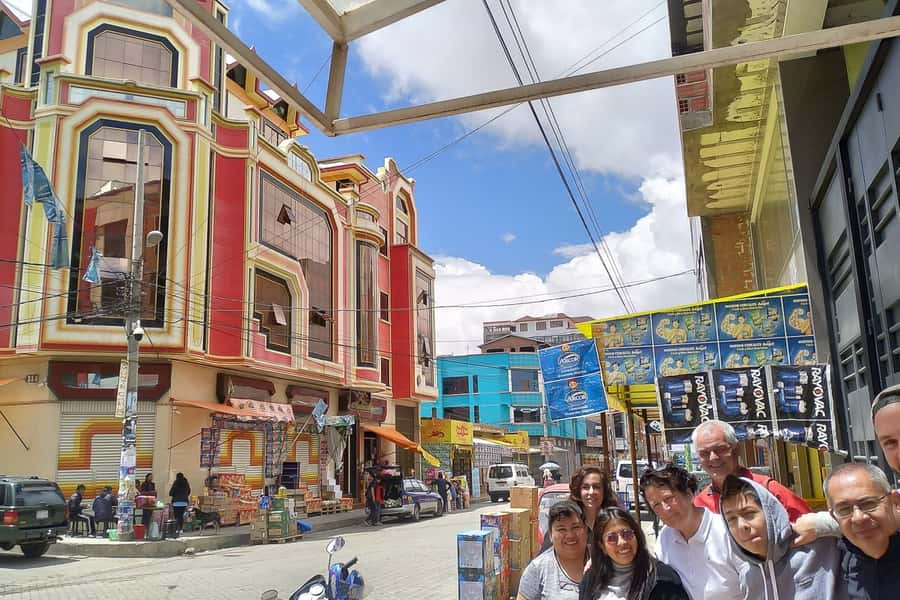
- Cholets are more than colorful facades: They reflect Andean identity, business success, family pride, and large social gatherings.
- You enter one of the mansions: The interior design continues the bold patterns and colors seen outside.
- The purple cable car is part of the experience: The ride helps you understand the connection between central La Paz and El Alto.
- This is a real walking tour at high altitude: Take your time, wear comfortable shoes, and tell your guide if you need a rest.
- Strong guide-dependent experience: Denise, Amara, Jose, Chris, and Remberto have been singled out for clear English, warmth, and detailed explanations.
- Bring light gear only: Large bags and luggage are not allowed, and a rain jacket is a smart choice in La Paz.
Why El Alto’s cholets are worth seeing
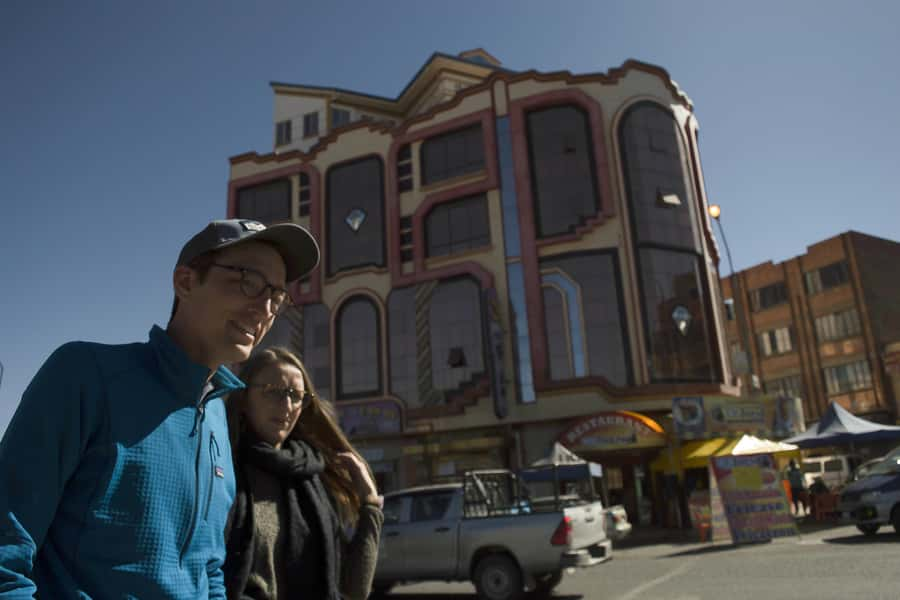
A cholet is a large, highly decorated building associated with prosperous Andean families. The name combines chalet with an Andean reference, and the style has become closely linked with El Alto. These buildings can serve as homes, event halls, commercial spaces, or all three at once.
The outside is the first surprise. Instead of blending into a gray city block, a cholet may use strong colors, sharp patterns, unusual shapes, and oversized decorative details. The style can look playful, extravagant, or even futuristic. That is part of its appeal. This is not architecture designed to whisper.
Your guide will place the buildings in a social setting. Successful residents use them to show achievement, host lavish parties, and express pride in their roots. The architecture is not simply decoration for decoration’s sake. It speaks about money, ambition, family, status, and the continuing importance of Andean traditions in a modern city.
I find that context makes the tour much better. Without it, you may see a row of strange and colorful mansions and move on. With it, you begin to ask why the buildings look this way, who uses them, and what their design says about El Alto.
The tour also introduces architect Freddy Mamani, who helped popularize this distinctive approach to building design. His name comes up as part of the story of how cholet architecture developed and became associated with the city.
A few more La Paz days to weigh up
- La Paz and El Alto: Cable Car Rides and Walking Tour
★ 4.8 · 790 reviews - La Paz Half-Day Walking Tour
★ 4.8 · 591 reviews - La Paz: Private City Tour with Cable Car & Moon Valley Visit
★ 4.9 · 508 reviews
Starting beside the purple cable car station
The meeting point is at the doors of the Michelline cafe, beside the entrance to the purple cable car station in central La Paz. Look for a guide wearing a red cap. Hotel pickup and drop-off are not included, so you need to reach this point on your own.
This is a sensible meeting place because the cable car is not just transport to the first stop. It is part of the tour itself. The ride gives you a quick change of perspective as you leave central La Paz and head toward El Alto.
The practical advice is simple: arrive with comfortable shoes, weather-appropriate clothing, and no large bag. Keep your belongings light. La Paz weather can change quickly, so a rain jacket is worth carrying even if the morning begins with clear skies.
At this altitude, the first part of your day can feel more demanding than the clock suggests. Walk slowly, drink water before the tour, and do not be embarrassed to ask for a pause. The guide can adjust the pace if you need time to catch your breath.
Seeing La Paz from the cable car
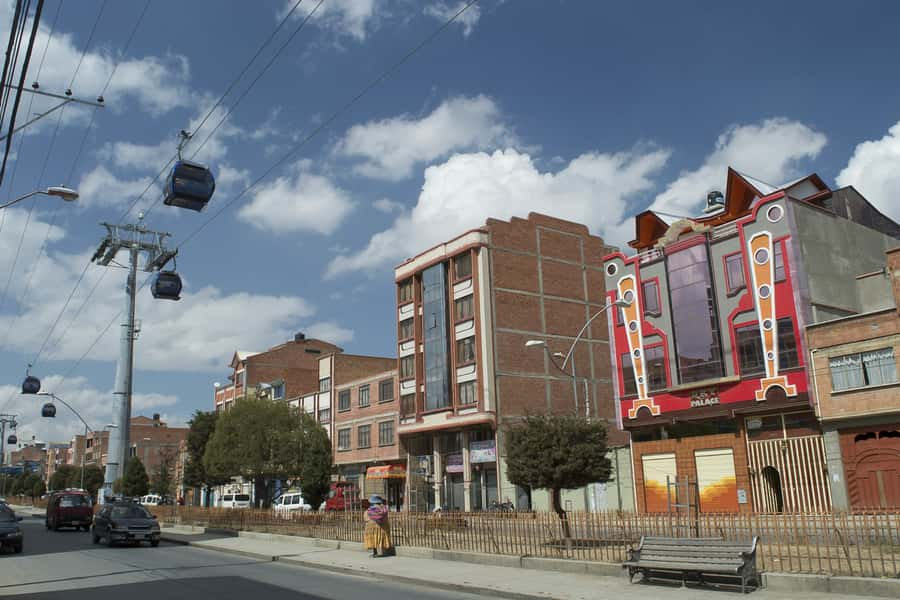
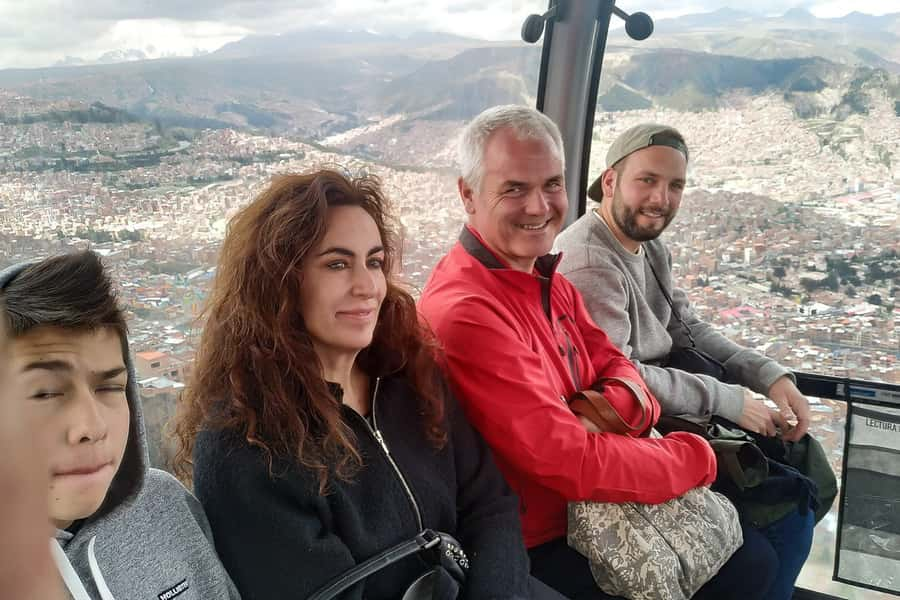
The cable car gives you a broad view of the city and its changing neighborhoods. You are not confined to a bus window or moving through streets at ground level. From above, the trip helps you see how La Paz rises through steep terrain and how El Alto occupies the high plateau above it.
The ride also gives the tour a useful rhythm. You begin with a moving overview, then continue on foot at street level. Several areas of El Alto can be seen during the cable car portion, so the experience is not limited to one building or one photo stop.
Sarah, who took the tour, found the cable car ride one of the best ways to understand the city and its surroundings. That makes sense. The ride supplies geographical context before your guide focuses on the cholets themselves.
Do not expect a long sightseeing ride with a narrated view of every neighborhood. The cable car is one part of a three-hour walking experience. Its value is that it connects the two parts of the tour and lets you see the city from a different height.
Walking through El Alto’s unusual architecture
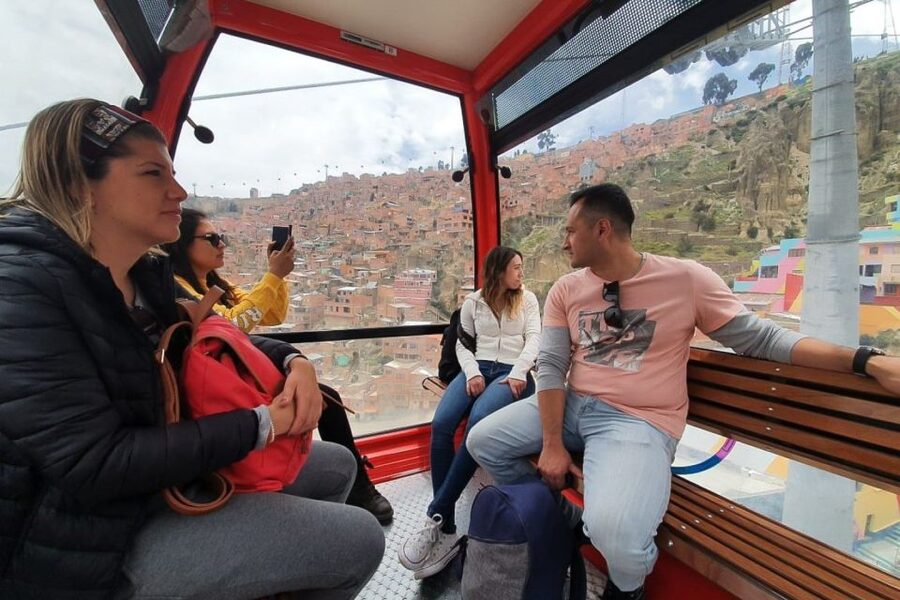
Once in El Alto, the focus shifts to the buildings and the people who commission them. Your guide will point out design elements and explain how the architecture mixes ancient Andean ideas with modern textiles, bold color, and contemporary construction.
This is where a good guide matters most. Denise has been praised for giving detailed explanations that suit people interested in architecture and urban planning. Amara was described as especially strong on the history and traditions of the buildings. Jose has offered wider insight into La Paz and El Alto, while Remberto has connected the cholets with the story of Freddy Mamani.
Those names are useful when you book, but guides can vary by date. The larger point is that this tour needs explanation. The buildings are visually strong, yet the cultural meaning is not always obvious from the street. A guide who answers questions turns a photo walk into a lesson about modern Bolivian life.
You should also expect ordinary city conditions rather than a polished sightseeing district. The appeal is precisely that this area is not arranged for tourism. Streets, traffic, weather, and uneven walking conditions are part of the setting. That makes the outing feel more direct, but it also means you should not expect the ease of a formal museum visit.
Same corner of Bolivia, a completely different day out:
- La Paz: Full Day Trip to Copacabana and Isla del Sol
★ 4.5 · 400 reviews - La Paz: Mountain Bike Down the World’s Most Dangerous Road
★ 4.9 · 386 reviews - La Paz: Cholitas Wrestling Tickets and Transfer
★ 4.4 · 338 reviews - From La Paz: Uyuni Salt Flat Tour & Overnight Roundtrip Bus
★ 4.5 · 327 reviews
Going inside a cholet
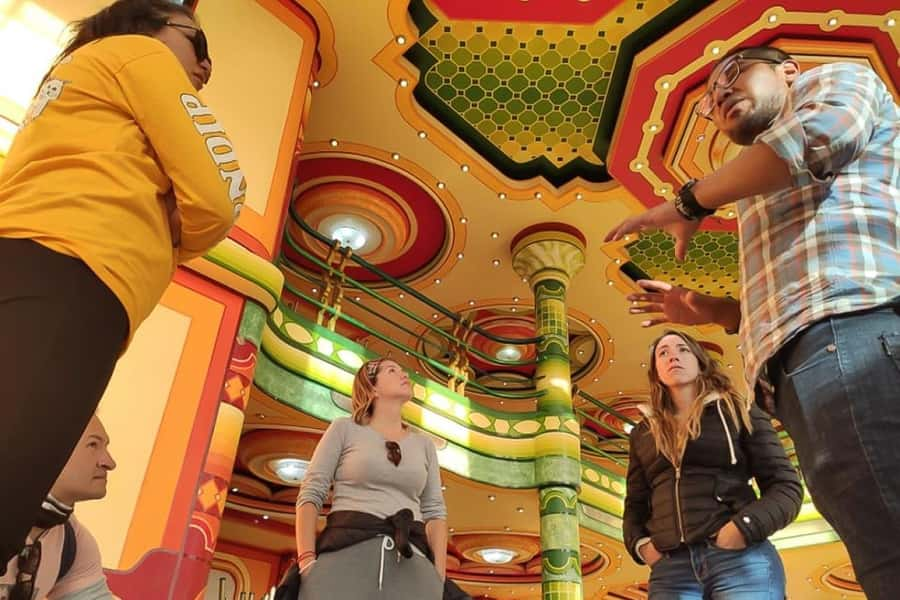
The interior visit is the tour’s most important feature. You do not only look up at a colorful facade. You enter one of the cholets and see how the design continues indoors.
The inside may reveal the building’s purpose more clearly than the outside. Bright decoration, large spaces, and strong visual choices help explain how these properties can serve as places for family celebrations and luxurious parties. The indoor visit also makes the buildings feel less like curiosities and more like active expressions of wealth and identity.
For anyone interested in architecture, this changes the experience. Exterior photographs show shape and color. An interior visit shows how the owners carry that design language into daily and social spaces. It gives you a better idea of the scale and ambition behind the buildings.
Access can depend on the local arrangements of the day, but entering a cholet is included in the planned experience. That is worth confirming with your guide at the start, especially if this is the feature you most want to see.
What the tour teaches about Andean identity
The cholets are useful because they challenge the idea that modern architecture must look restrained or international. These buildings use modern materials and wealthy construction budgets, yet their decoration draws on Andean culture, patterns, color, and tradition.
The result is expressive rather than minimal. You may like it immediately, or you may find it excessive. Either response is fair. The point is not to decide whether every building is beautiful. The point is to understand why this style matters to the people who build and use it.
Your guide can also explain the role of the bourgeois residents who commission these mansions. Their buildings show that Andean identity is not frozen in the past. It can appear in new forms, in prosperous neighborhoods, and in architecture that looks toward the future.
That is the tour’s best lesson: culture is not only found in museums, archaeological sites, or old churches. It can also appear in a new building covered in color, especially when that building reflects the ambitions of the people who paid for it.
Is $25 a fair price?
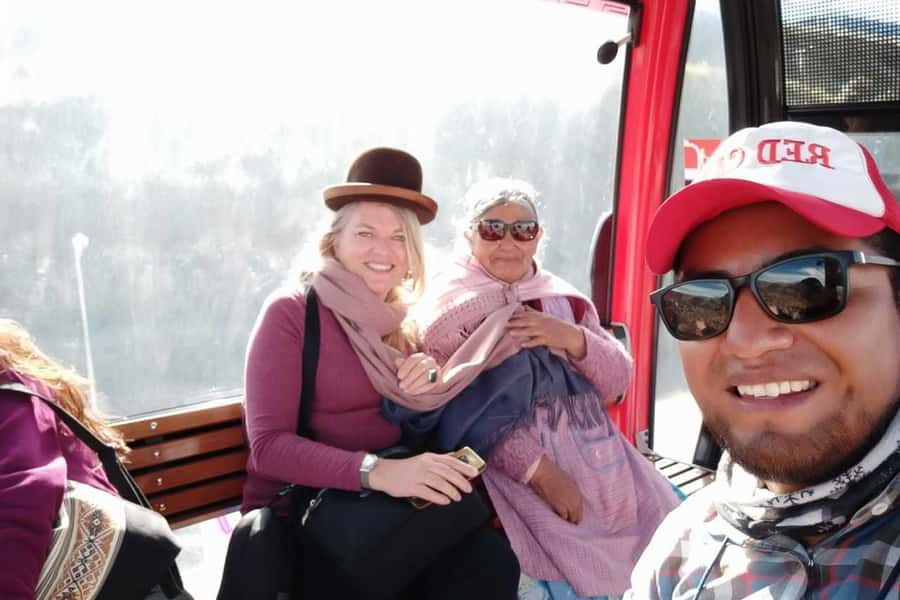
The tour costs $25 per person and lasts about three hours. Transportation, a bilingual guide, and local snacks are included. You pay separately for getting to the meeting point because hotel pickup and drop-off are not provided.
For a small price, you receive several elements that would be difficult to combine independently: the cable car ride, access to a cholet, local explanation, and a guided walk through an area not usually part of a first visit to La Paz. If you value context and want to understand what you are seeing, the price is reasonable.
The value depends heavily on the guide. A strong guide can explain the architecture, answer questions, and help you read the city. Denise, Amara, Jose, Chris, and Remberto have all been praised for their warmth, English skills, and detailed knowledge of La Paz and El Alto.
One important caution: if you end up as the only person on the tour, the price may feel less attractive. A private-style experience can be pleasant, but the cost is still $25 rather than a shared group rate. Even so, transportation and access to the cholet add practical value.
You can reserve now and pay later, and cancellation is free up to 24 hours before the start time. Those terms help if your La Paz plans depend on weather, altitude, or changing transport arrangements.
Who will enjoy this experience most?
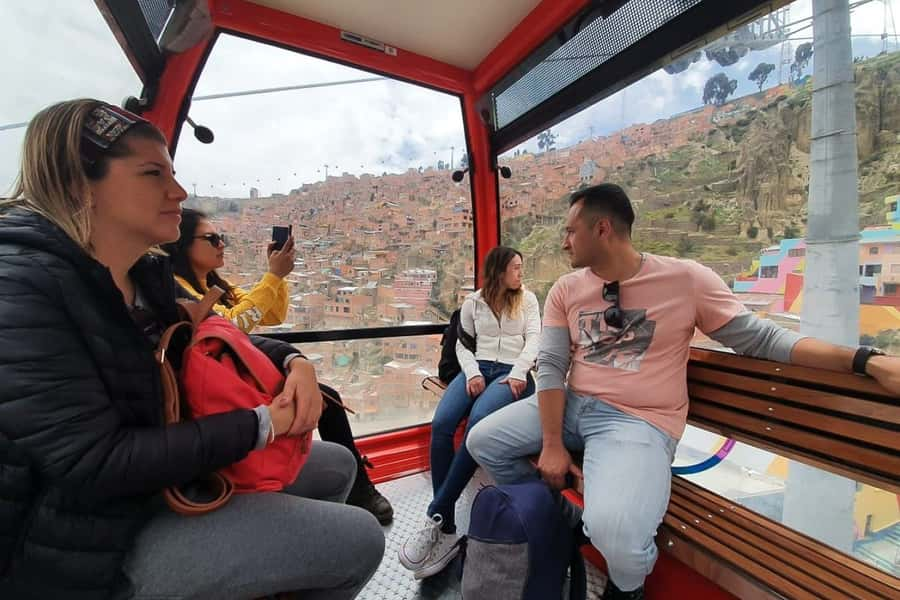
I would choose this tour if you are curious about architecture, city life, Andean culture, or the less familiar side of La Paz. It suits people who want more than the standard historic center and cable car viewpoint.
It is particularly useful for anyone interested in urban planning. Maria, who has that interest, found the explanations detailed enough to satisfy her. That suggests the tour is not limited to quick facts and photographs. You can ask questions about why the buildings look the way they do and how they relate to the city.
You should think twice if walking at high altitude is difficult for you. The activity is not recommended for people with mobility limitations, and you will need to move through city streets on foot. Comfortable shoes are essential.
The tour is also a good choice for repeat visitors to La Paz. If you have already seen the central streets and want a different view of the region, El Alto offers a fresh subject. The area is close enough to reach by cable car but distinct enough to feel like a separate experience.
Practical tips for a smoother morning or afternoon
Wear layers. La Paz weather is changeable, and a rain jacket is recommended. Sun protection may also be useful, but the key is flexibility.
Take small essentials only. Large bags and luggage are not allowed, so bring what you need in a compact day bag. Comfortable shoes matter more than stylish ones.
Tell your guide early if you need to rest. This is a high-altitude walking tour, and there is no prize for racing from one stop to the next. The best way to enjoy the architecture is to keep enough energy to listen and look.
English and Spanish tours are available. Guides such as Denise have been praised for clear English, while the bilingual format makes the tour accessible to both language groups.
Allow the full three hours. The cable car, walking sections, explanations, interior visit, and local snacks all contribute to the experience. This is not a quick photo stop that you can squeeze between two other major attractions.
Should you book the El Alto cholet tour?
Book it if you want to understand the meaning behind El Alto’s eye-catching buildings rather than simply photograph them. The cable car ride gives you city views, the walking route takes you beyond the usual circuit, and entering a cholet adds a rare look at the interiors.
I would be more cautious if you have limited mobility, struggle with high altitude, or prefer tightly scheduled sightseeing with little walking. I would also set expectations about the price if you are the only person booked.
For most independent visitors, though, this is a smart three-hour addition to a La Paz stay. You see an unusual form of architecture, meet the city through a local guide, and learn how Andean traditions continue in modern urban life. That combination gives the tour its value.
FAQ
Where does the tour meet?
Meet at the doors of the Michelline cafe, beside the entrance to the purple cable car station in central La Paz. The station is called Estacion Teleferico Morado. Your guide will wear a red cap.
How long does the tour last?
The tour lasts three hours.
What languages are available?
The tour is offered with a live guide in English or Spanish.
Is transportation included?
Transportation during the tour is included. Hotel pickup and drop-off are not included.
Does the tour include a cable car ride?
Yes. You ride the traditional cable car and see several areas as you travel toward El Alto.
Can I enter a cholet?
Yes. The experience includes entering one cholet to see the interior design.
Is the tour suitable for people with limited mobility?
No. It is not recommended for people with mobility impairments because it includes walking at high altitude.
What should I bring?
Bring comfortable shoes and clothing suitable for changing weather. A rain jacket is recommended.
Can I bring luggage or a large bag?
No. Luggage and large bags are not allowed on the tour.
Just added around La Paz
- Private Tour of Tiwanaku Ruins from La Paz★ 5.0 · 3 reviews
- Private Tiwanaku and Titicaca Day Trip from La Paz★ 4.8 · 3 reviews
- La Paz: Uyuni tour ending in Atacama Chile by bus.★ 3.9 · 3 reviews
- From La Paz: Lake Titicaca and Copacabana Private Tour★ 5.0 · 5 reviews
- LA PAZ: GUIDED TOUR CHACALTAYA + VALLEY OF THE MOON★ 3.6 · 3 reviews
- La Paz: The Feminist Tour★ 5.0 · 3 reviews
- Titicaca Lake: Highlights Tour from La Paz by Bus★ 4.0 · 3 reviews
- From La Paz: Trip to Uyuni Salt Flats with Wine at Sunset★ 4.4 · 4 reviews
La Paz Tours, compared.
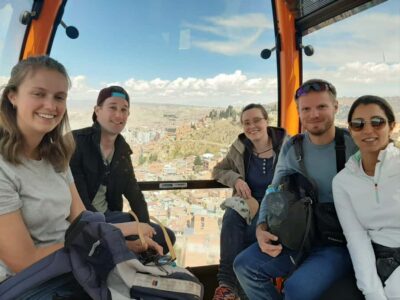
La Paz and El Alto: Cable Car Rides and Walking Tour
Read our review →
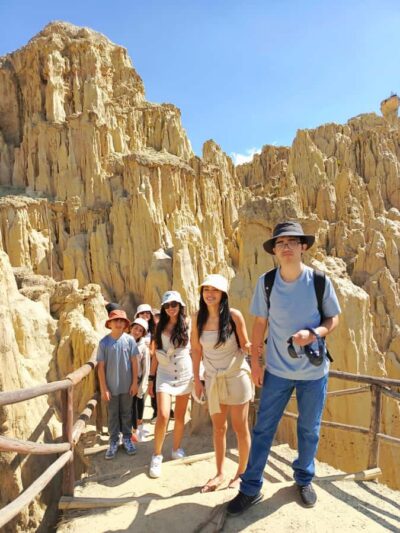
Private City Tour with Cable Car & Moon Valley Visit
Read our review →
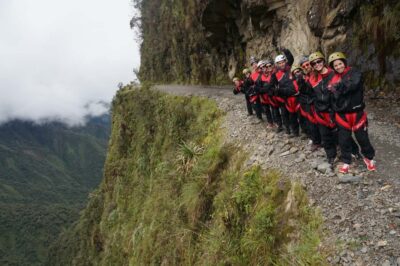
Mountain Bike Down the World’s Most Dangerous Road
Read our review →

Uyuni Salt Flat Tour & Overnight Roundtrip Bus
Read our review →
Browse the lists this tour appears in