
Reviewed · MOUNTAIN CLIMBING TOURS
From La Paz: Austria Peak One-Day Climbing Trip
Austria Peak is a serious 17,388-foot climb packed into one very long day. You leave La Paz for the quiet Condoriri range, hike past high lakes and glaciers, and finish with broad views across the Cordillera Real and toward Lake Titicaca. This is not a casual hill walk. At this height, your lungs get the final vote.
I like the way the trip combines a mountain test with glacier and lake scenery, rather than sending you straight up a bare slope. I also like that guides can set a sensible pace and, if altitude wins the argument, switch to a beautiful lower route near the lake.
The main concern is the altitude and the length of the day. You need several days of acclimatization, solid fitness, and a willingness to turn back. One account describes nine hours of walking and six hours in the vehicle, so this is best treated as a full mountain expedition, not a quick outing from La Paz.
Key points to know before you go
- The summit reaches 17,388 feet: Austria Peak gives you a real high-altitude experience without requiring technical climbing skills.
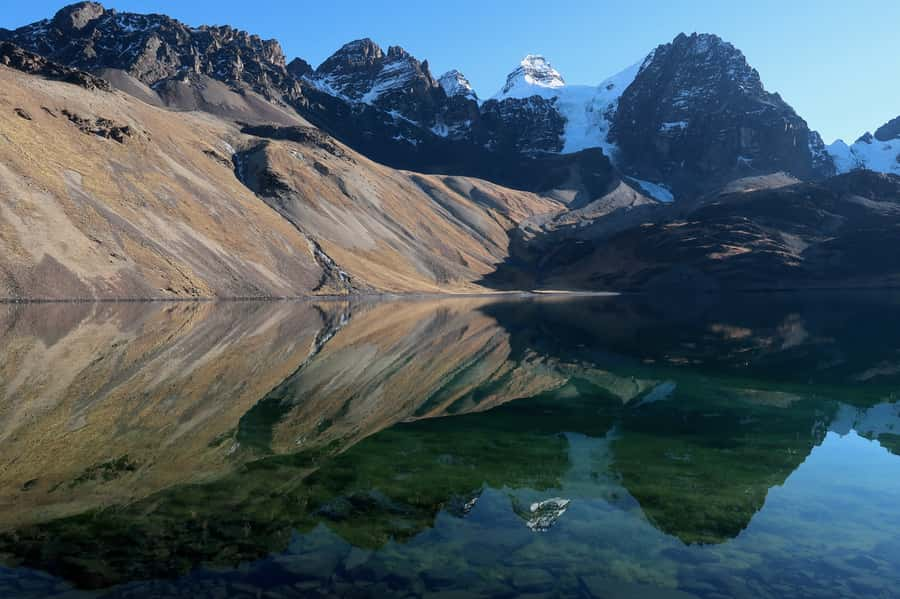
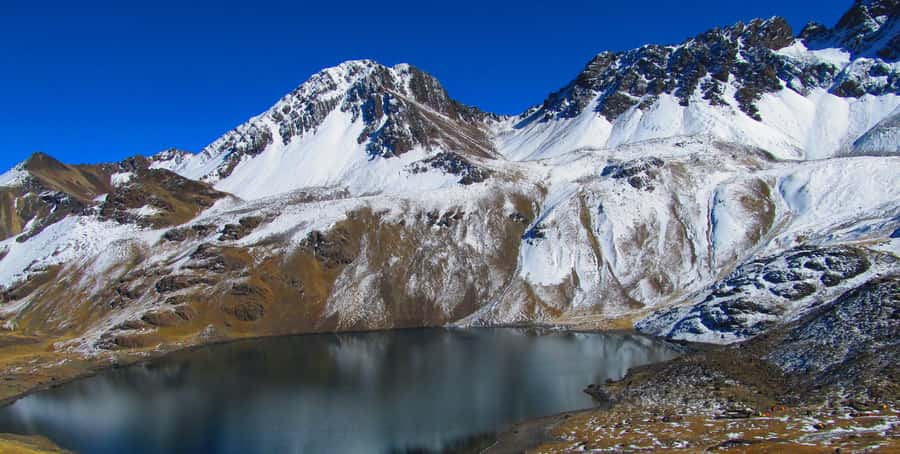
- Condoriri is part of the appeal: Laguna Chira Khota, neighboring lakes, glaciers, llamas, sheep, and ice-covered peaks make the route rewarding before the summit.
- Acclimatization matters more than confidence: Two or three days between 9,840 and 16,400 feet is listed as sufficient preparation, but your body may still react differently from someone else’s.
- The day is physically demanding: Plan on 6 to 8 hours of hiking, plus 2 to 3 hours of driving each way.
- Guides help manage the pace: Patricia and Andrés are named in especially positive accounts, with praise for calm leadership, timing, and patient pacing.
- A lower-altitude backup route may be possible: If nausea or headache stops the summit attempt, the day can still include a walk around the lake at about 14,100 feet.
Leaving La Paz for the Condoriri range
Your pickup begins at the listed meeting point on Avenida Felipe Reque, with hotel pickup and drop-off available in or near central La Paz. You should wait in the lobby about 10 minutes before the scheduled time. The route then heads out of the city toward El Alto, a fast-growing urban area with plenty of new, unfinished construction.
That drive gives you a useful look at modern Bolivia. El Alto is not polished sightseeing, and the half-finished brick buildings can seem chaotic, but they show how quickly the city is expanding. Soon the dense construction gives way to wide views of the Cordillera Real, where the trip changes from urban observation to mountain travel.
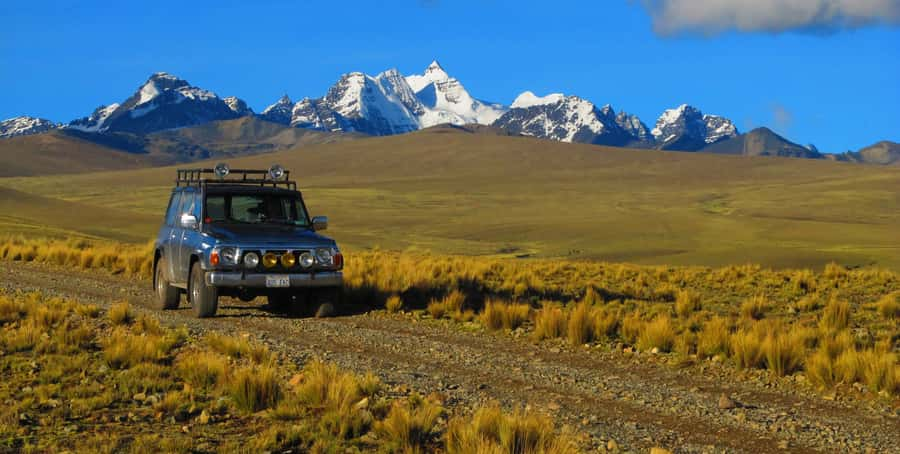
After Palcoco, the vehicle leaves the main road and follows rough dirt tracks toward the Condoriri valley. This transfer is part of the price, and it matters. You are not spending your energy walking from the nearest road. Still, expect a long ride on uneven roads, especially if the day runs toward the longer end of the schedule.
The contrast is one of the pleasures of the trip. In the morning, you are in a busy high-altitude city. Later, you are looking across open valleys, cold lakes, snow, and sharp mountain ridges. I like that the journey gives you a sense of how quickly Bolivia changes outside La Paz.
More high peaks to climb near La Paz:
- Climbing Huayna Potosí
★ 5.0 · 50 reviews - From La Paz: Huayna Potosí Mountain 3-Day Ice-Climbing Trip
★ 4.9 · 21 reviews - From La Paz: Huayna Potosí 2-Day Climbing Trip
★ 4.7 · 10 reviews
Laguna Chira Khota and the first hours on foot
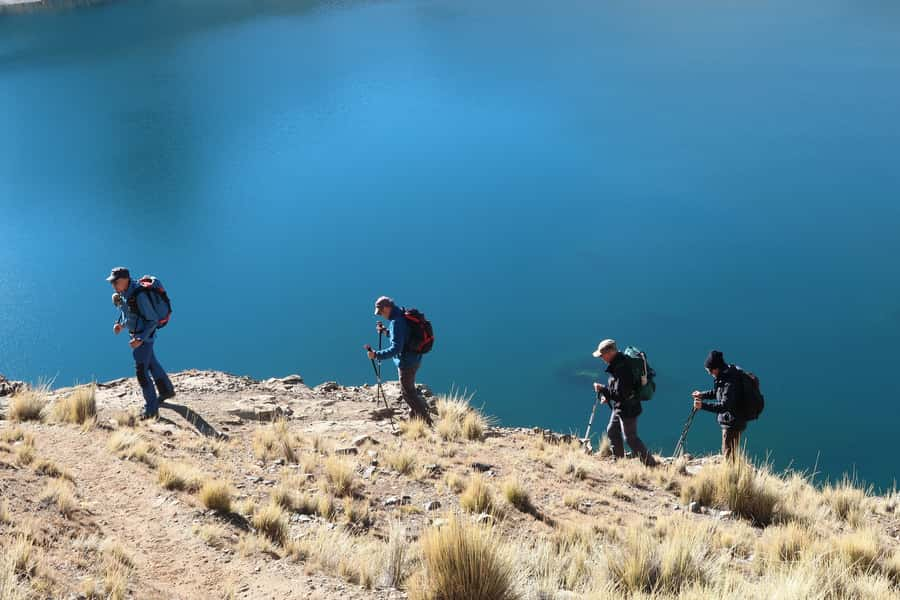
The hike begins near Laguna Chira Khota, one of the important visual rewards of the Condoriri route. From the lake, you turn onto a trail that climbs toward Austria Peak. The lake provides a useful reference point at the start, but the route soon becomes a steady uphill effort.
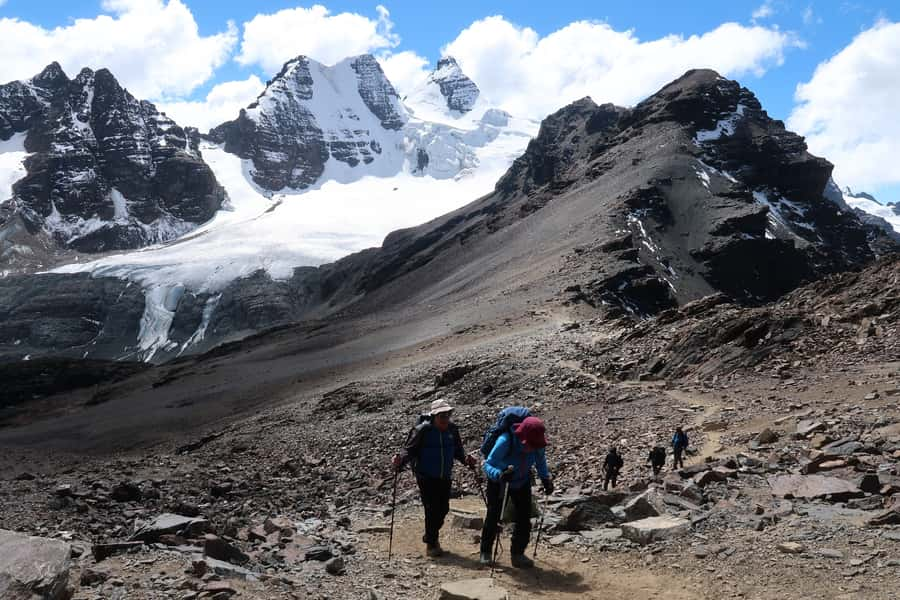
You can expect the mountain to feel demanding even before the steepest section. At more than 14,000 feet, ordinary walking takes more effort, and a pace that seems slow at sea level may be exactly right here. The best approach is to walk steadily, drink as directed by your guide, and avoid treating the first hour as a race.
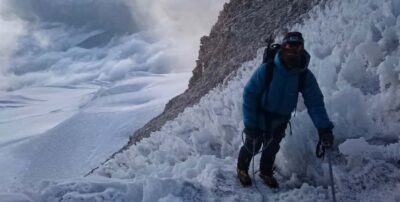
The route also gives you more than a summit objective. High lakes change color with the weather, and the surrounding peaks show patches of ice and snow. Llamas and sheep may appear along the way. These details keep the walk interesting when the thin air makes every uphill section feel longer.
The supplied clothing is useful if you do not have suitable mountain gear. A jacket, pants, and trekking poles can be provided if needed. You should still bring your own passport or identity card, and a visa if Bolivia requires one for your nationality. A backpack can be rented, but it is not included, so confirm that arrangement before departure.
The climb to 17,388 feet
Austria Peak is high enough to feel like a major mountaineering achievement, but the route does not require technical climbing skill. That distinction is important. You do not need specialist rope work or prior rock-climbing experience, yet you do need to be fit enough for a long, steep walk at extreme altitude.
The final ascent is where preparation becomes obvious. Your guide sets the rhythm, and a good pace is slow, even, and conservative. Patricia is praised for keeping a strong pace without rushing, while Andrés is remembered for patience and calm support during a particularly hard attempt. Those qualities matter more here than a fast start.
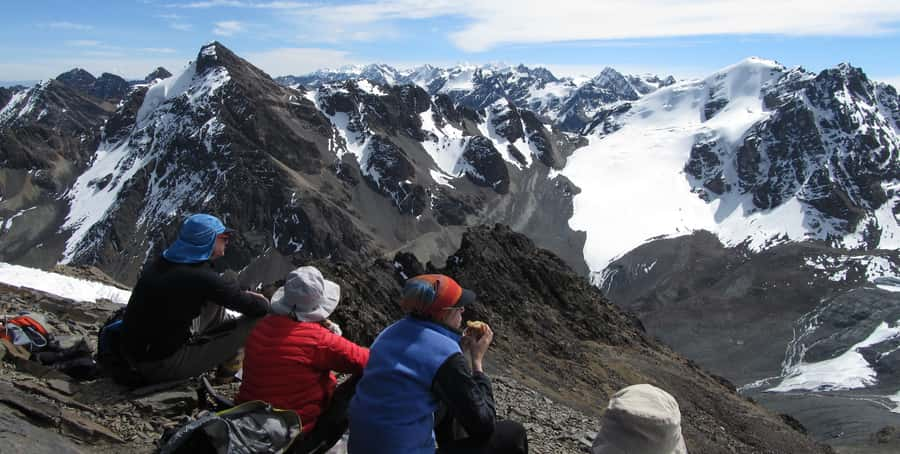
At the top, the reward is a broad view across the Cordillera Real and the surrounding Condoriri mountains. On clear days, Lake Titicaca is part of the distant panorama. You also get a closer look at glaciers and high peaks, which gives the summit more visual variety than a single isolated viewpoint.
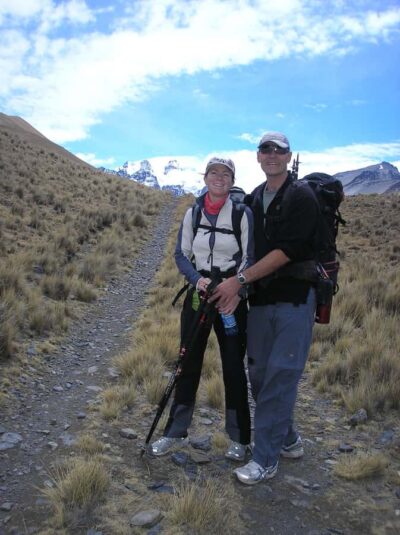
Do not measure success only by reaching the highest point. At this altitude, stopping is sensible if you develop severe headache, nausea, unusual weakness, or other signs of altitude trouble. One fit couple reached the high section after several nights of acclimatization, but one person became too nauseated to continue at about 16,400 feet. The lower walk around the lake still made for a worthwhile day.
That is a useful feature of this outing. A summit attempt may fail, but the setting remains rewarding. You should discuss the alternative route with the guide before setting out so you know what the day can look like if your body says no.
The descent is not an easy afterthought
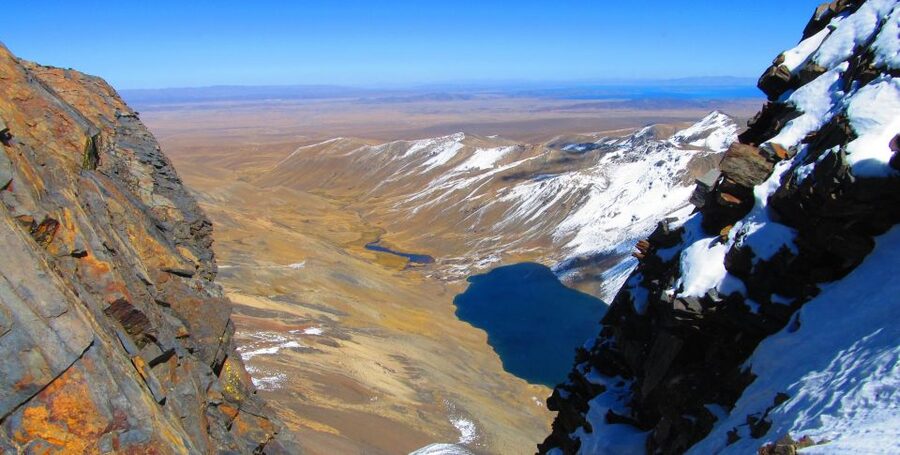
Many people focus on the summit and forget the way down. That is a mistake here. One account describes the descent as harder than the climb because energy was already spent, followed by a severe headache and a total of about nine hours on foot.
You need to save something for the return. Keep your pace measured on the ascent, eat the supplied boxed lunch, and do not assume that reaching the top means the work is finished. Trekking poles can help with balance and reduce some strain on tired legs, especially on uneven ground.
The route returns down the valley to the vehicle. The ride back to La Paz can be a quiet one. After 6 to 8 hours of walking, plus the long transfers, you may have little interest in conversation or city sightseeing. I would keep the evening free and avoid scheduling anything important after the climb.
A few more La Paz days to weigh up
- La Paz and El Alto: Cable Car Rides and Walking Tour
★ 4.8 · 790 reviews - La Paz Half-Day Walking Tour
★ 4.8 · 591 reviews - La Paz: Private City Tour with Cable Car & Moon Valley Visit
★ 4.9 · 508 reviews - La Paz: Full Day Trip to Copacabana and Isla del Sol
★ 4.5 · 400 reviews
What the $188 price covers
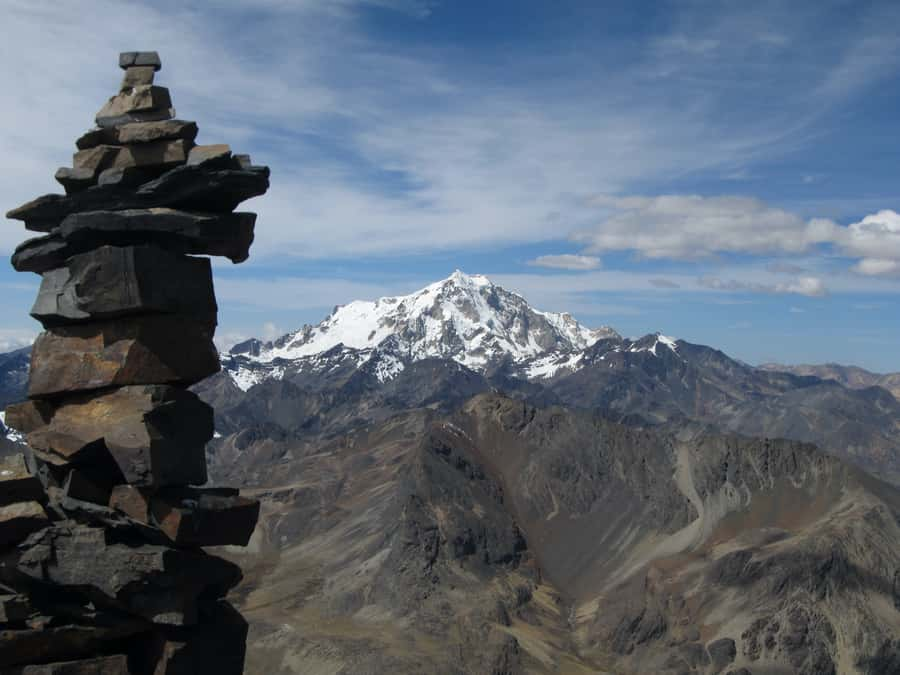
At $188 per person, the trip is not cheap by Bolivian day-tour standards, but the price includes several costs that can add up quickly. You receive a professional guide, all transport, hotel pickup and drop-off in the central area, a boxed lunch with drinks, a first-aid kit, and mountain clothing with poles if needed.
That package makes the value better for a visitor who does not already have cold-weather gear or transport to Condoriri. A private or small-group format can also be worthwhile because pacing matters at altitude. You are paying for a guide who can monitor the day, adjust the tempo, and help decide when the summit is no longer sensible.
The limits are clear. Personal insurance is not included, and a backpack costs extra if you need to rent one. Pickup outside the city center is also an add-on. Check those points before booking so the final price does not surprise you.
The included meal is practical rather than a reason to book the trip. It keeps you moving without requiring a restaurant stop in a remote valley. Bring only what you need, since a heavy pack makes the climb harder, but do not forget identification, sun protection, water arrangements, and any personal medication you rely on.
Fitness, altitude, and medication
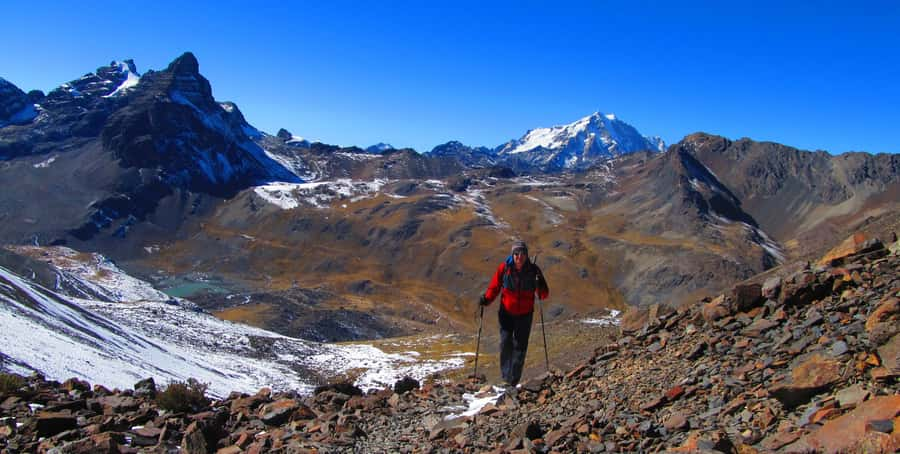
The tour requires a good level of physical fitness. You do not need technical climbing experience, but you should be comfortable with a long uphill hike followed by a long descent. If a normal six-hour mountain walk sounds daunting at lower elevation, Austria Peak is probably too much.
Acclimatization is the key preparation. The stated guidance recommends two to three days between 9,840 and 16,400 feet before the climb. That is useful advice, but it is not a guarantee. Altitude affects people differently, and even a fit person who has slept several nights at 3,600 to 4,100 meters may still feel sick near 5,000 meters.
Acetazolamide, also known as Diamox, is listed as an option at 125 milligrams in the morning and 125 milligrams in the evening. Speak with a medical professional before taking it. The tour information does not replace personal medical advice, and medication should not be used as permission to ignore serious symptoms.
This outing is not suitable for pregnant women, people with heart problems, people with high blood pressure, or people with mobility impairments. Personal insurance is also your responsibility. Since bad weather does not qualify for a refund, you should understand that the operator may have limited control over mountain conditions.
Guides, languages, and group size
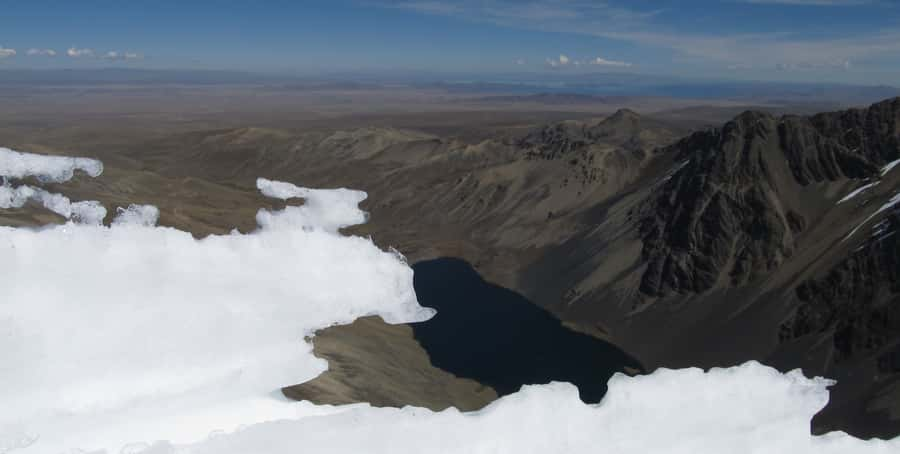
Guides speak English or Spanish. That gives you a practical choice when discussing pace, symptoms, equipment, and the decision to continue. At high altitude, clear communication is not a luxury.
Private and small-group options are available. I would favor a smaller format for this particular climb, especially if your fitness level is not identical to everyone else in your party. A guide can better match the speed to the group, and you may feel less pressure to keep up with strangers.
The strongest guide experiences attached to this outing involve punctuality, patience, and good pacing. Patricia is praised for managing the route at a comfortable speed, while Andrés is credited with staying calm when the climb became difficult. Those are exactly the qualities I would want above 16,000 feet.
Who should book Austria Peak
I would recommend this trip to you if you want a demanding first high mountain, have already spent time acclimatizing, and prefer a full outdoor day to a relaxed sightseeing schedule. It also works well as preparation for a later Huayna Potosí climb, which is how one participant used it three days before the larger goal.
You should book it if glacier views, high lakes, and broad mountain scenery matter as much to you as the summit itself. The Condoriri setting gives the trip value even if altitude prevents you from reaching Austria Peak.
I would not choose it as your first activity after landing in La Paz. I also would not book it if you need a predictable finish time, dislike long vehicle transfers, or expect a gentle walk with a view. The day can run to roughly 6 to 8 hours of hiking and 2 to 3 hours of driving, and the total may feel closer to an endurance event than a standard excursion.
Free cancellation is available up to 24 hours before departure for a full refund, and you can reserve now while paying later. Those terms help with planning, but they do not protect you from a weather-related loss on the day itself.
Should you book this one-day climb?
Book Austria Peak if you are properly acclimatized, physically ready, and interested in a genuine high-altitude challenge rather than a simple photo stop. The Cordillera Real views, glaciers, changing lake colors, and quiet Condoriri setting give you plenty to remember even before the summit.
Skip it, or choose the lower alternative, if you are unsure how your body handles altitude. A summit is never worth forcing. For the right person, though, this is a strong-value mountain day with transport, gear, food, and a guide built into the $188 price. Just arrive prepared, pace yourself, and leave the evening empty for sleep.
FAQ
How high is Austria Peak?
Austria Peak reaches 17,388 feet, or about 5,300 meters.
How long does the activity last?
It lasts one day. The schedule includes about 2 to 3 hours of driving and 6 to 8 hours of hiking, though the total day can be longer depending on conditions and pace.
Do I need technical climbing experience?
No technical skill is required, but you do need a good level of physical fitness and prior acclimatization.
How much acclimatization is recommended?
The provided guidance recommends two to three days between 9,840 and 16,400 feet before attempting the climb.
What happens if altitude sickness stops me from reaching the summit?
A lower-altitude route around the lake at about 14,100 feet may be available, allowing you to continue with a scenic hike instead of the summit attempt.
What is included in the price?
The price includes a professional guide, transport, boxed lunch with drinks, hotel pickup and drop-off in or near central La Paz, clothing such as a jacket and pants, trekking poles if needed, and a first-aid kit.
Are English-speaking guides available?
Yes. The available guide languages are English and Spanish.
What should I bring?
Bring your passport or identity card and a visa if one is required for Bolivia. A backpack is not included, but it can be rented as an add-on.
Just added around La Paz
- Private Tour of Tiwanaku Ruins from La Paz★ 5.0 · 3 reviews
- Private Tiwanaku and Titicaca Day Trip from La Paz★ 4.8 · 3 reviews
- La Paz: Uyuni tour ending in Atacama Chile by bus.★ 3.9 · 3 reviews
- From La Paz: Lake Titicaca and Copacabana Private Tour★ 5.0 · 5 reviews
- LA PAZ: GUIDED TOUR CHACALTAYA + VALLEY OF THE MOON★ 3.6 · 3 reviews
- La Paz: The Feminist Tour★ 5.0 · 3 reviews
- Titicaca Lake: Highlights Tour from La Paz by Bus★ 4.0 · 3 reviews
- La Paz: Uyuni Salt Flats & Lagoon Share Trip (private room)★ 4.7 · 4 reviews
Mountain Climbing Tours, compared.
Browse the lists this tour appears in