Reviewed · MORNING
Sucre: Sunrise, the Crater de Maragua and old Cave Paintings
At dawn, the Cordillera de los Frailes feels almost otherworldly: mineral-colored mountains, empty trails, old chapels, and cave paintings made thousands of years ago. This day from Sucre connects Andean scenery with living Jalqa culture, rather than treating the mountains as scenery viewed through a car window. I like the early start because it gives you cool air and quiet trails, and I like that the route includes both Pumamachay and Incamachay, not just one painted cave.
The two best features are the roughly four-hour hike and the chance to meet people in Jalqa communities, including a textile weaver on some departures. The main caution is the road and the weather: the drive can be bumpy, the morning can be cold and windy, and the sunrise may be muted by clouds. You need steady footing, patience, and a proper layer system.
Key points at a glance
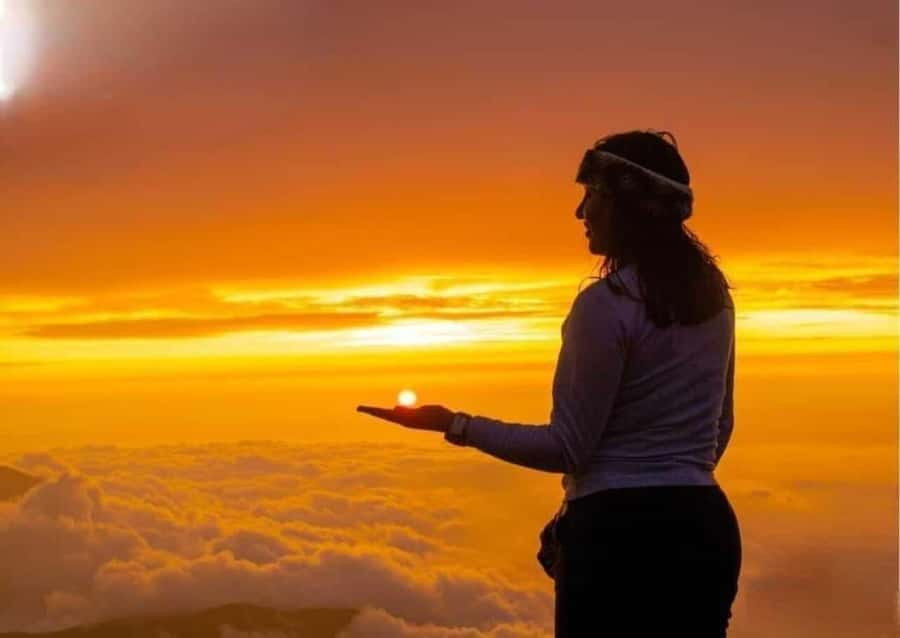
- Sunrise at Chataquilla: Begin near a colonial chapel and watch the sky brighten over the Bolivian Andes with a light breakfast.
- Two ancient painted caves: Pumamachay and Incamachay add archaeological interest to a hike that would otherwise focus only on scenery.
- A demanding but manageable hike: Expect about four hours on mountain trails, with an early section in dim light.
- Jalqa culture in the countryside: Visit local communities, eat a vegetarian lunch, and possibly meet a textile weaver.
- Maragua and Devil’s Throat: Finish with colorful mineral mountains, a small waterfall, and a viewpoint inside the crater area.
- Small-group value: The $105 price includes private transport, guide services, meals, entrance fees, and equipment such as headlamps.
Why this day from Sucre is worth your time
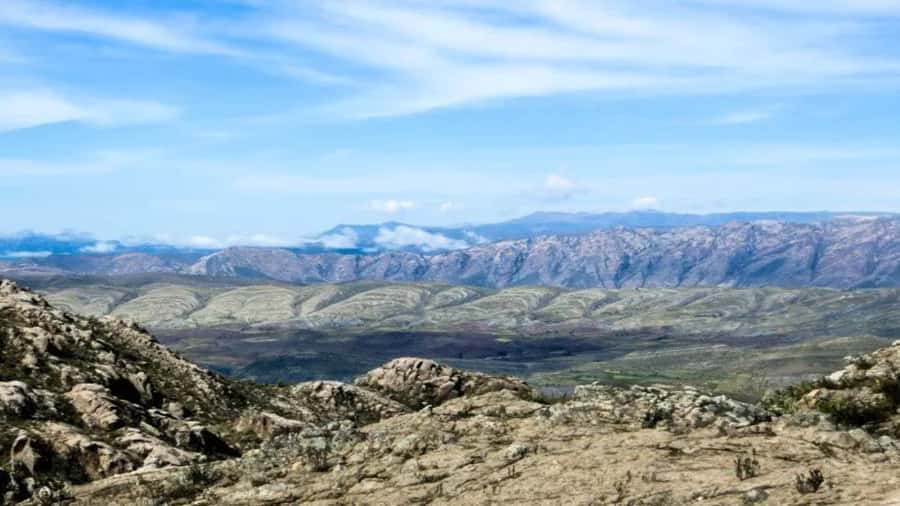
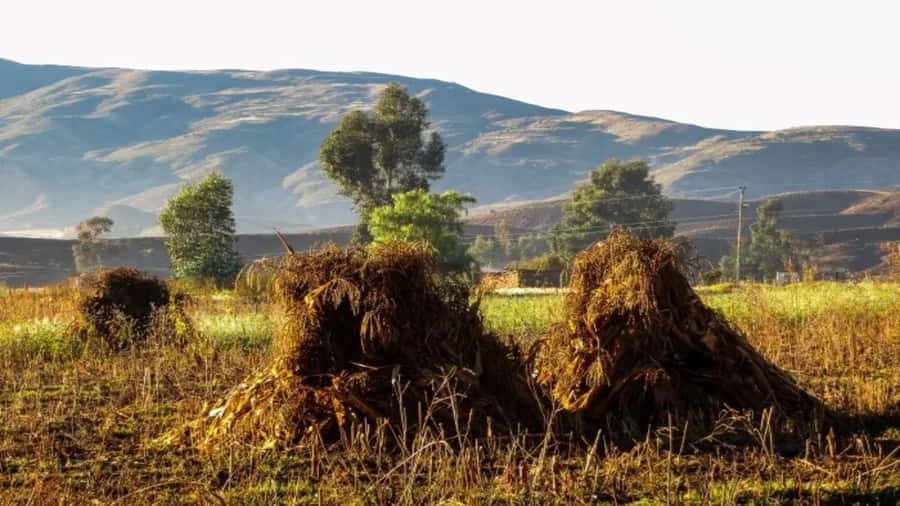
Sucre is known for its white colonial center, but the countryside outside the city offers a very different Bolivia. This tour takes you into the Cordillera de los Frailes, a mountain region shaped by folds, erosion, and exposed minerals. The route is not just a lookout stop followed by a quick photo. You spend much of the morning walking through it.
I especially like the balance between natural and cultural stops. The Maragua Crater supplies the big visual payoff, with bands of color in the surrounding mountains. The caves provide a quieter, more thoughtful stop. Then the Jalqa communities bring the day into the present, showing that these valleys are lived-in places rather than an outdoor museum.
At $105 per person, this is not the cheapest day trip from Sucre. Still, the price includes pickup and return transport, a live guide in English or Spanish, breakfast, a vegetarian lunch, entry tickets listed at $10, and a small group limited to 12 people. For a full ten-hour outing with a long hike and two vehicle transfers, that package is fair.
A few more Bolivia days to weigh up
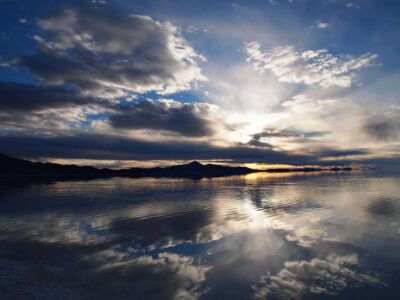
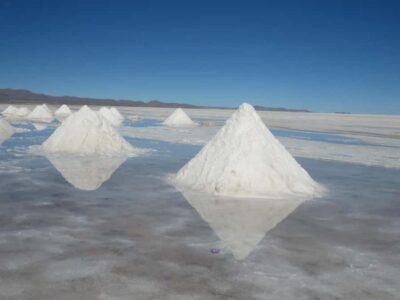
- 5-Hour Uyuni Salt Flat Tour Stargazing and Sunset/Sunrise In Group
★ 5.0 · 33 reviews - Bolivia: starlights and sunrise in Uyuni salt flat
★ 4.2 · 20 reviews - Uyuni: Starlight and Sunrise Salt Flats Tour
★ 4.2 · 12 reviews
Leaving Sucre before dawn for Chataquilla
Pickup is arranged at accommodations in Sucre’s historic center, with details coordinated by email. You leave early enough to reach a viewpoint near the colonial chapel of Chataquilla before sunrise. The first section may be dark, so a headlamp is provided for each participant.
The morning is part of the appeal, but it is also the least comfortable part of the day. Conditions can be cold, windy, and cloudy. Bring a warm layer, hat, and rain protection even if the forecast looks calm. A flashlight is supplied, though carrying a second one is sensible if you have it.
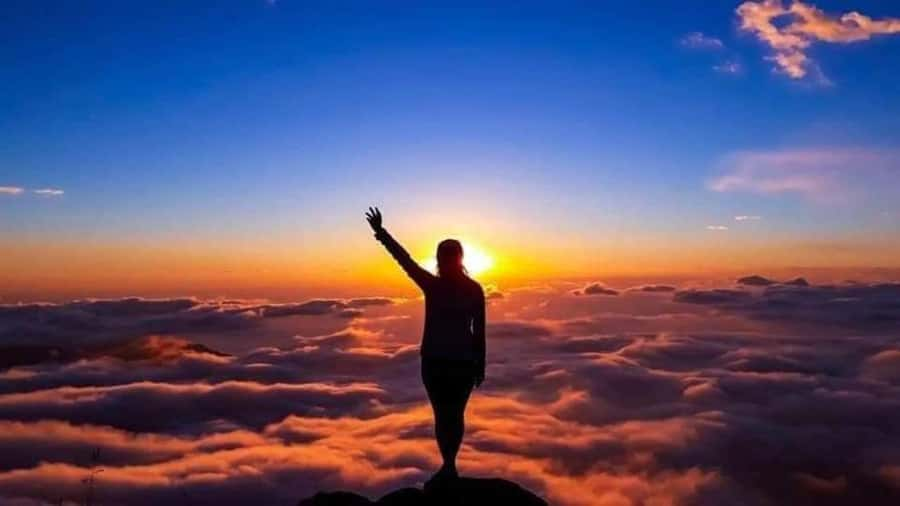
At the viewpoint, you wait for the light with a simple breakfast snack. One account describes it as warm and welcome, though it is not presented as a full meal. The sunrise is not guaranteed to be dramatic. Clouds can soften or block it, so you should book this for the entire mountain day, not for a sunrise photograph alone.
Afterward, you visit Chataquilla’s old chapel. It is a short stop, but the guide explains its place in the local area and its importance as a meeting point for the Jalqa community. That context helps you read the route as more than a natural attraction.
The first climb above Tumpeca Valley
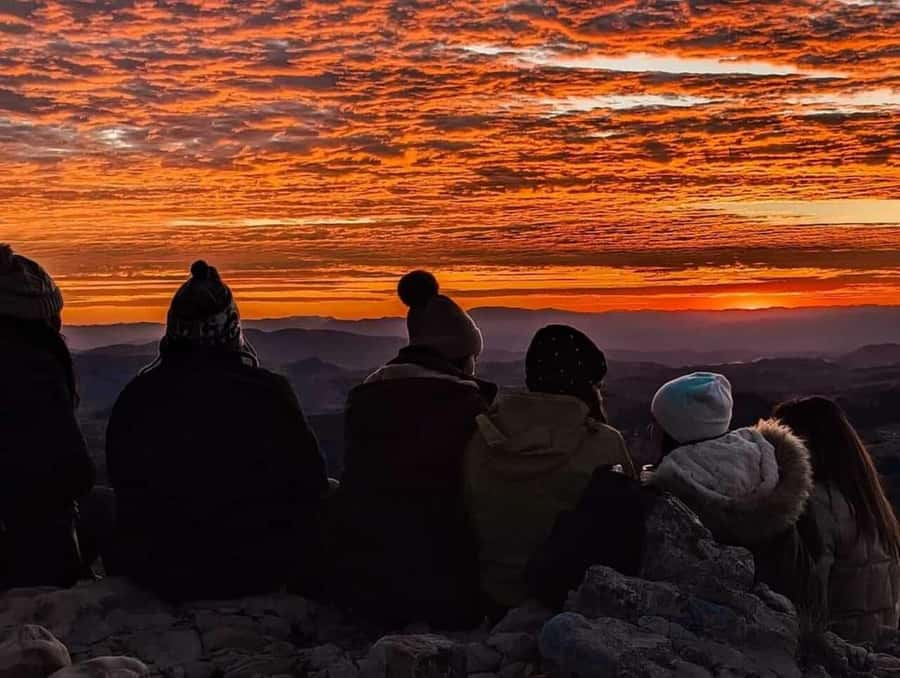
From Chataquilla, the trail climbs for about 20 minutes toward a mountain summit. This opening climb is short, but the dawn light and uneven ground require care. The tour information specifically warns you to watch your step, especially during the early part of the hike.
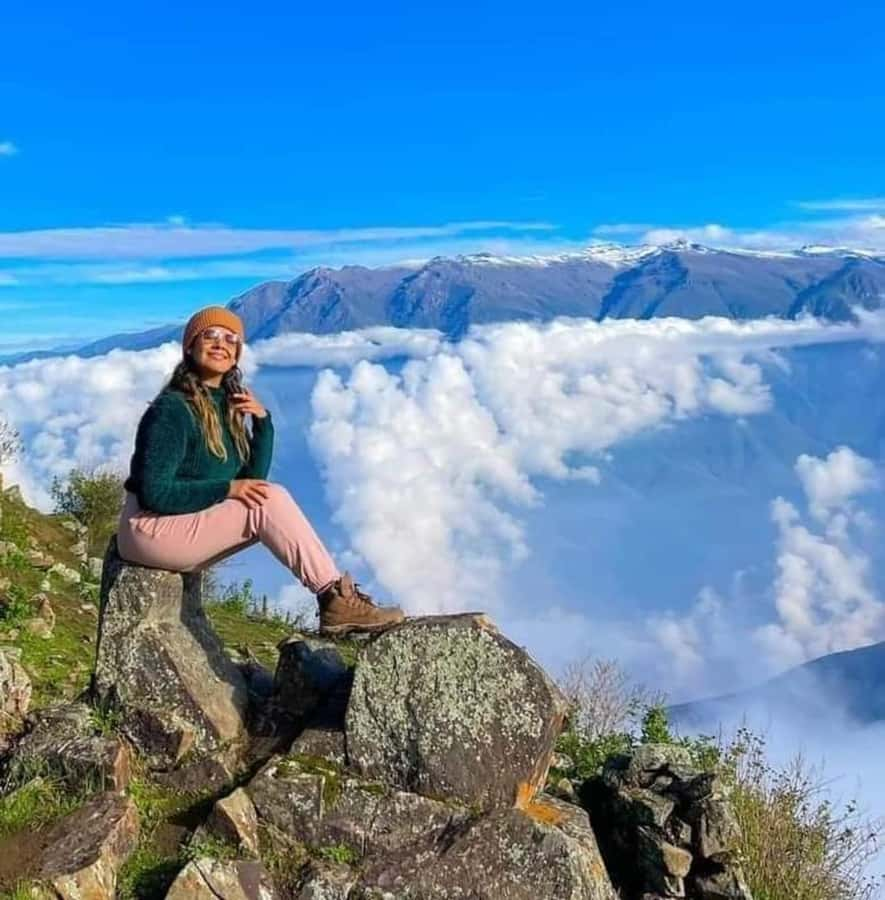
From the high point, you can look toward Tumpeca Valley, the indigenous community of Chaunaca, Maragua Crater, and part of Sucre. This is a useful orientation stop because you begin to understand the day’s scale. You are not simply walking to one crater. You are crossing a broad mountain area with valleys, ridges, forests, and scattered communities.
The route continues through local vegetation and forested sections. The exact wildlife sightings are never promised, though you might spot Andean animals if conditions are lucky. The main reward is the changing view as the trail moves through different types of terrain.
Bring water from Sucre. Water is not included, and the tour’s long walking section makes this one of the most important practical details. Snacks are also not included, so pack something extra if you need more than the supplied breakfast and lunch.
Pumamachay and Incamachay cave paintings
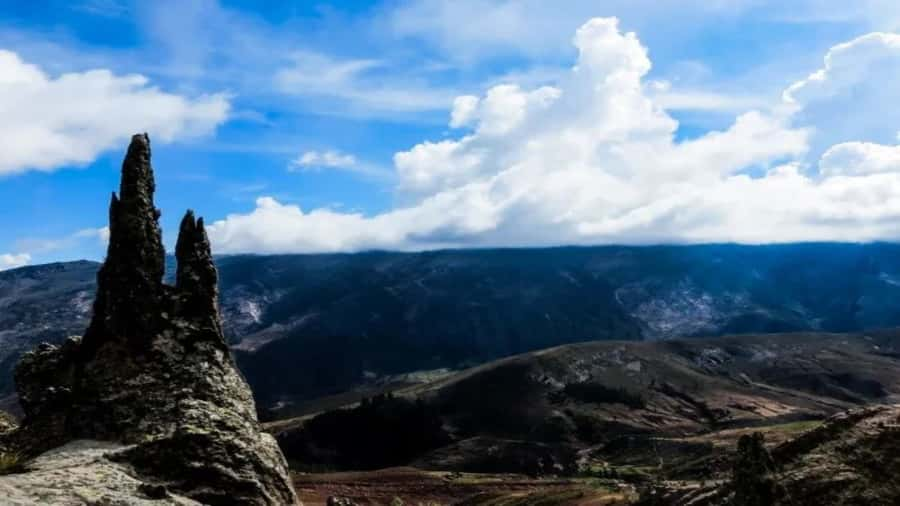
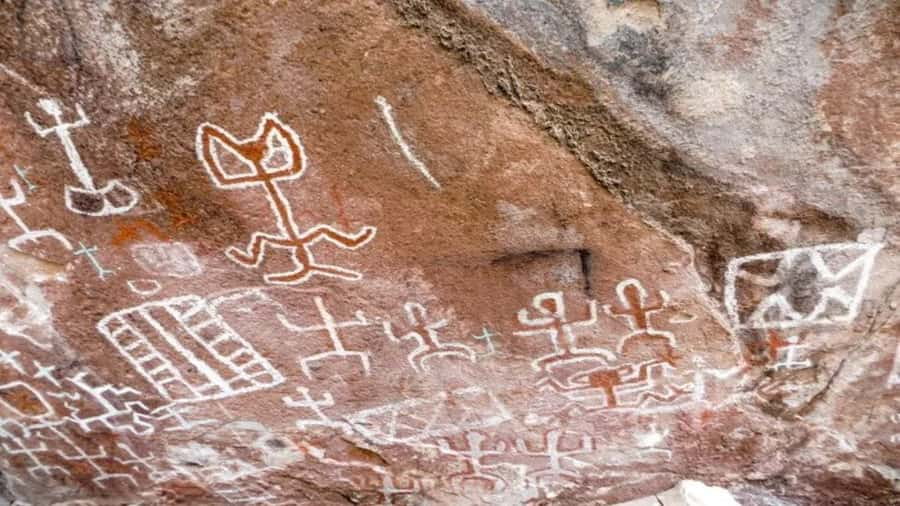
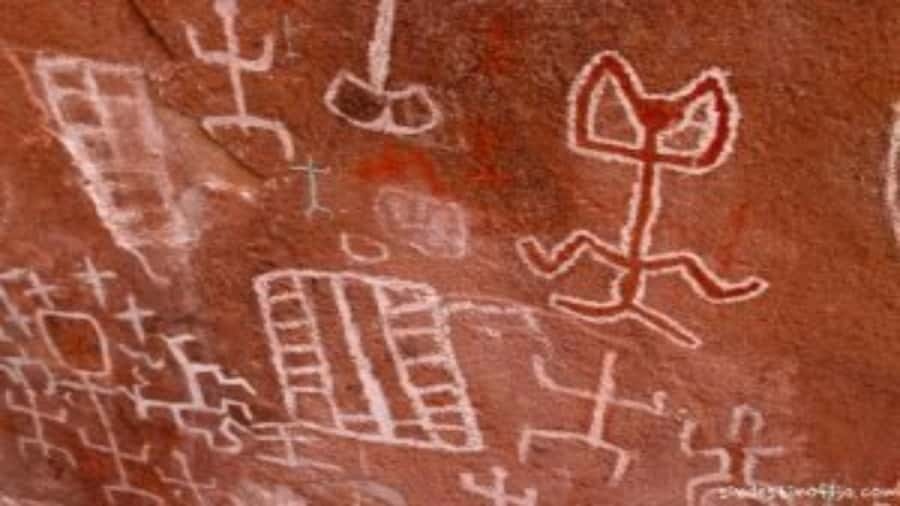
After about two hours of walking, you reach Pumamachay Cave. The paintings date back thousands of years, giving the hike a strong archaeological layer. You are not just looking at rocks and mountain folds. You are seeing traces left by people who used these valleys long before today’s communities.
The paintings are the kind of sight that rewards a guide. Some may be easy to miss without explanation, and the setting matters as much as the marks themselves. The cave is not described as a large developed attraction, so do not expect museum-style displays, broad walkways, or extensive interpretation panels. This is a simple mountain visit with ancient images in their original surroundings.
About 30 minutes later, the trail reaches Incamachay, where there are more cave paintings and signs of earlier communities. Seeing both sites makes the walk worthwhile. One painted cave alone could feel brief after the early start, but two sites give the archaeological part of the route more weight.
The path between the caves is still a real hike. Wear hiking shoes with good grip, not casual sneakers. The tour is unsuitable for wheelchair users and people with mobility impairments, vertigo, or altitude sickness. Children under 10 are not accepted, and the information also lists children under 13 as unsuitable, so families should confirm the age rule before booking.
Same corner of Bolivia, a completely different day out:
- La Paz and El Alto: Cable Car Rides and Walking Tour
★ 4.8 · 790 reviews - Day Trip to Uyuni Salt Flats
★ 4.0 · 602 reviews - La Paz Half-Day Walking Tour
★ 4.8 · 591 reviews - La Paz: Private City Tour with Cable Car & Moon Valley Visit
★ 4.9 · 508 reviews
Walking into Jalqa country
The trail eventually reaches the Jalqa community of Tumpeca, set in a valley near a river. This is one of the more meaningful parts of the day because the community is not treated as a decorative stop. You move through a working rural area and learn how people connect to these mountains.
The tour includes a vegetarian lunch after leaving Tumpeca, with lunch served in the Maragua area. It is a practical arrangement: after several hours on foot, you will want food before the final sightseeing stops. The lunch is described as tasty and satisfying, but you should not expect a broad restaurant menu. If you have dietary needs beyond vegetarian food, ask before booking.
A textile connection may also be part of the visit. One departure included meeting a textile weaver and taking home a bracelet. That detail gives the cultural side of the tour something tangible, though the supplied information does not promise the same encounter on every departure.
The guides can make a big difference here. Karina led one departure and was described as friendly and professional, with good English. Manuel also guided a departure in English. Don Gabino drove for one group and made the rough roads feel safe. Names and staff can change, but these details show the kind of small-group contact you can expect when the right local team is working.
Maragua Crater and the mineral-colored mountains
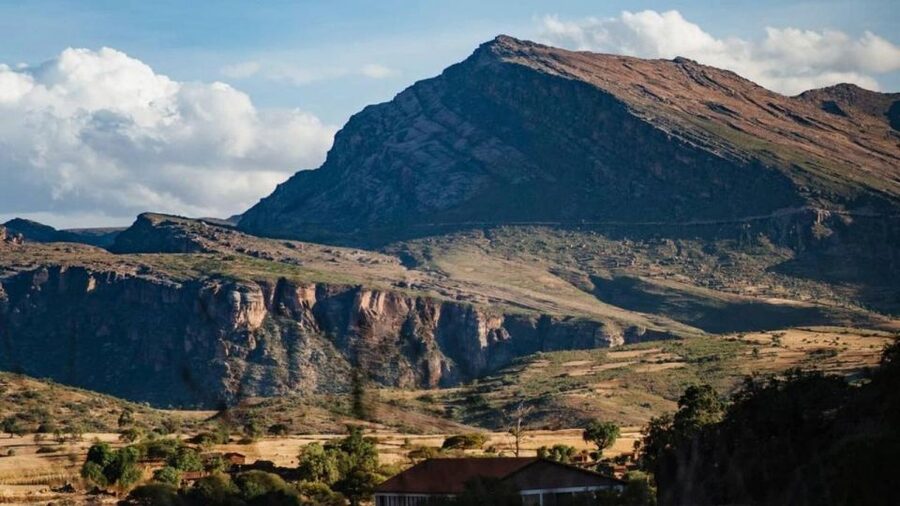
After lunch, the scenery shifts toward Maragua Crater. The name suggests a neat circular bowl, but the attraction is better understood as a striking geological formation with folded, colorful mountain layers. Minerals give the hills different tones, and the views are strongest from the surrounding high points and crater area.
This is where the day feels most visually dramatic. You have already walked through forest and valleys, seen ancient paintings, and visited communities. Now the wide mountain view provides a clear finish to the route. I recommend keeping your camera accessible, but do not let the photo stops slow you so much that you miss the guide’s explanations.
Inside the crater area, you visit the Jalqa community of Maragua. The tour also includes the Devil’s Throat, a small waterfall and viewpoint. The waterfall is not a huge cascade, so set your expectations correctly. Its value comes from the setting, the short stop, and the chance to look back across the folded mountains.
The tour information allows about 1.5 hours at Maragua. That is enough for sightseeing, the community visit, the viewpoint, and photographs, but it is not a full-day stay in the crater. The final return drive to Sucre takes about two hours, with the earlier transfer from the hiking area to Maragua taking roughly 40 to 45 minutes according to the stated timing and firsthand details.
What the transport and timing mean
This is a ten-hour day, and the early departure makes the schedule feel full. The walking itself takes about four hours, with vehicle travel before and after it. Roads in the area are not described as smooth, and one detailed account specifically advises people prone to car sickness to bring Gravol or another familiar remedy.
Private transportation is included, which matters because the route begins and ends in different rural locations. You are not left arranging a taxi between trailheads, and the driver meets you when the hike finishes. The tradeoff is that some of the ride may be bumpy and winding.
A small group of no more than 12 people is a good fit for this route. It keeps the cave visits and community stops from feeling crowded and makes it easier to stay with the guide on the trail. The experience is available with English or Spanish guiding, but confirm your preferred language when you reserve.
Flexible booking terms also reduce the risk of committing too early. You can reserve and pay later, and cancellation is allowed up to 24 hours in advance for a full refund. These terms are useful when mountain weather may affect your plans.
How to prepare for the hike
Wear hiking shoes, long or comfortable walking clothes, and a warm layer that you can remove later. The morning can begin cold and windy, while the day becomes more comfortable once you are walking.
Pack:
- Water and extra snacks
- Sunscreen and a hat
- Rain gear
- A flashlight, even though a headlamp is provided
- A waterproof bag for electronics
- Your passport, or a copy
- A camera with a secure strap
Alcohol and drugs are not allowed. Baby strollers are also not suitable for the route.
You should be comfortable walking for several hours on uneven mountain trails. The early light is peaceful, but it makes footing harder to judge. Stay focused during the first section and follow the guide rather than rushing ahead for photographs.
Who should book this tour?
I would choose this day if you want more than a standard viewpoint trip from Sucre. It suits hikers who enjoy combining geology, archaeology, local communities, and long views in one outing. It is also a good option if you prefer a small group and want transport, meals, entry fees, and guiding handled together.
I would think twice if you dislike early mornings, rough roads, cold weather, or long walks. If your priority is a guaranteed spectacular sunrise, this is not the safest choice because cloud and wind can change the view. The strongest reasons to book are the full route, the two cave sites, and the combination of Maragua with Jalqa communities.
At $105, I see solid value for an active ten-hour day. The tour asks more from you than a simple car trip, but it also gives you a closer look at the countryside around Sucre. Bring water, dress for the cold start, and make sure your shoes can handle the trail.
FAQ
How long does the tour last?
The activity lasts about 10 hours, including the hike, sightseeing, and transportation from Sucre and back.
Where does pickup take place?
Pickup is included from accommodations located within Sucre’s historic center. The exact arrangements are coordinated by email.
What languages are available?
The live guide service is available in English and Spanish.
How large is the group?
The activity is offered as a small-group tour limited to 12 participants.
Is breakfast included?
Yes. A light breakfast is provided while you wait for sunrise near the mountain viewpoint.
Is lunch included?
Yes. A vegetarian lunch is included in the Maragua area after the visit to Tumpeca.
Are drinks and snacks included?
No. You need to bring your own water and any extra snacks you want during the day.
How long is the hike?
The full walking section takes about four hours, with an early climb, mountain trails, visits to the caves, and the route toward the Jalqa community.
What should I bring?
Bring comfortable hiking shoes, warm clothing, a hat, sunscreen, water, rain gear, a flashlight, a waterproof bag, and your passport or a copy.
Is the tour suitable for everyone?
No. It is not suitable for children under the stated age limits, pregnant women, people with mobility impairments, wheelchair users, people with vertigo, or people with altitude sickness.
Just added around Bolivia
- Uyuni: Classic Uyuni Salt Flats Tour + Hotel Pickup★ 3.0 · 4 reviews
- Uyuni tour express from Sucre by bus (round trip)★ 4.2 · 4 reviews
- Uyuni: Salar de Uyuni Traditional Tour+Sunset Tour★ 4.8 · 3 reviews
- UYUNI SALT FLAT: SUNRISE & STARLIGHT EXPERIENCE★ 3.1 · 3 reviews
- UYUNI SALT FLAT: SUNSET & STARLIGHT EXPERIENCE★ 5.0 · 3 reviews
- Uyuni: 3-Days Salt Flats and Desert Adventure Tour with Food★ 3.8 · 4 reviews
- Uyuni: Full-day tour, Salt flats and Sunset experience★ 4.8 · 5 reviews
- Uyuni: Salar de Uyuni and San Pedro de Atacama 3-Day Tour★ 4.2 · 4 reviews
Morning, compared.
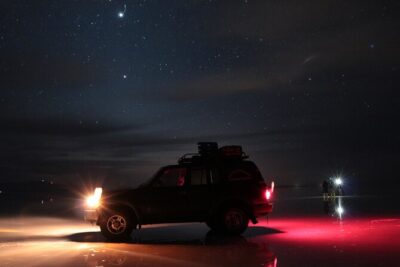
5-Hour Uyuni Salt Flat Tour Stargazing and Sunset/Sunrise In Group
Read our review →