
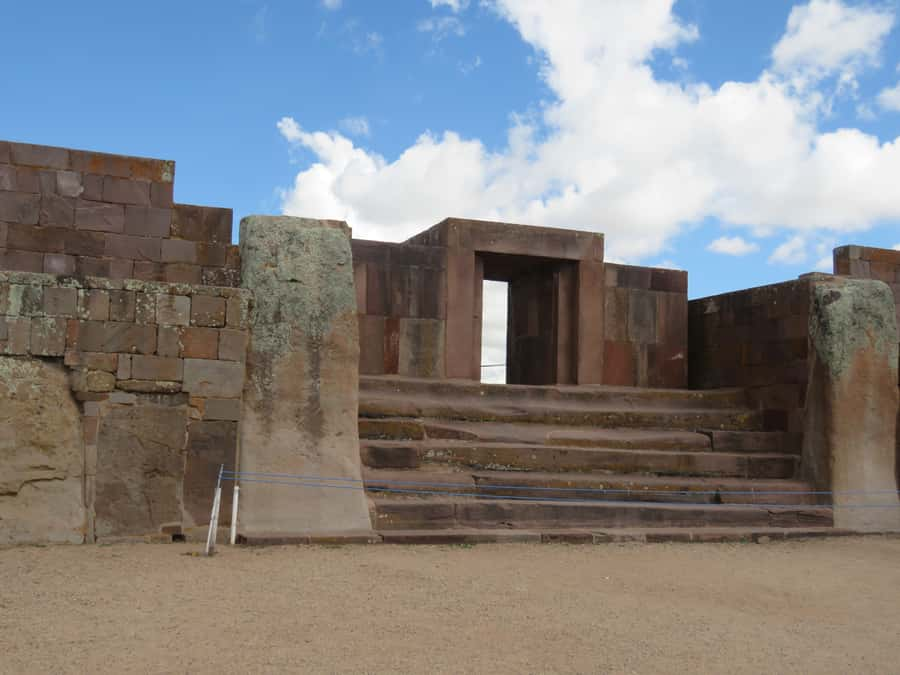
Reviewed · TIWANAKU RUINS TOURS
Private Tour of Tiwanaku Ruins from La Paz
Tiwanaku is one of Bolivia’s most important archaeological sites, and this private day trip gives you time to see it without being rushed through a large group. You’ll visit temples, pyramids, museums, and carved stonework while an English-speaking guide explains how the society behind the site lived and built.
I like the private transport, which makes the long road journey from La Paz more comfortable, and I like the chance to visit both the archaeological site and its museums. The main drawback is the distance: about two hours each way, so roughly half the day is spent on the road.
- Two-hour journey from La Paz: Watch Andean scenery, animals, and local plant life pass by from a private vehicle.
- A full archaeological circuit: See Akapana, Kalasasaya, the Sun Gate, Pumapunku, Putuni, Kantatalite, and the semi-subterranean temple.
- Museum context first: Visit the ceramic and lithic museums before walking among the ruins.
- English-speaking specialist guide: The guide explains the culture’s social setting, building methods, and history.
- Local lunch included: The meal breaks up the sightseeing and may include regional dishes such as llama meat.
- Private, flexible format: Hotel pickup, entrance fees, snacks, water, and return transport are included.
Why Tiwanaku Makes a Worthwhile Day Trip
The Tiwanaku site is not a quick roadside stop. It is a place where the scale of the stonework matters, and where a guide can make the difference between seeing old walls and understanding an organized society that built them.
The tour description calls Tiwanaku one of the oldest Incan empires, but it is best to approach the site as the remains of an ancient Andean civilization with its own identity. That distinction matters. You are not simply visiting an Inca ruin. You are looking at an earlier cultural center whose architecture, sculpture, ceramics, and social ideas shaped the wider Andean story.
You will leave La Paz in the morning, spend about two hours reaching the village of Tiwanaku, tour the museums and ruins for around two hours, stop for lunch, and return by private vehicle. The schedule fills eight hours, but the pace should feel more manageable than a large coach outing because the group is private.
The trip also gives you a welcome change of scene. La Paz is dense, steep, and energetic. Outside the city, the road opens to broad highland views, animals, native plants, and working communities. The journey is part of the day, not just a transfer.
The Road From La Paz to Tiwanaku
Hotel pickup is included in La Paz, which removes one of the annoying parts of arranging an out-of-town excursion. You do not need to make your own way to a bus terminal or work out a separate ride to the archaeological area.
The private vehicle is described as comfortable and fully equipped. Bottled water, snacks, and return transport are included, so you can settle in for the long drive. Bring a passport or identity card, since that is specifically listed among the items to carry.
The two-hour journey can be useful preparation for the site. You will see Andean scenery and may spot animals and local flora along the route. Do not expect nonstop commentary or a tightly scripted sightseeing drive, but the views give you a sense of the high-altitude setting in which Tiwanaku developed.
The distance is also the clearest limitation. If you dislike long road days, the tour may feel heavy for the amount of time spent walking among the ruins. A private vehicle helps, but it cannot shorten the road.
More Tiwanaku ruins days from La Paz:
- Private Tiwanaku and Titicaca Day Trip from La Paz
★ 4.5 · 62 reviews - La Paz: Tiwanaku Archeological Site Full-Day Tour
★ 4.2 · 34 reviews - From La Paz: Tiwanaku and Lake Titicaca One-Day Tour
★ 4.7 · 17 reviews
Start With the Tiwanaku Museums
The visit includes the archaeological museum, a ceramic museum, and a lithic museum. This is a good order for the day because the smaller objects can help you read the large stone structures later.
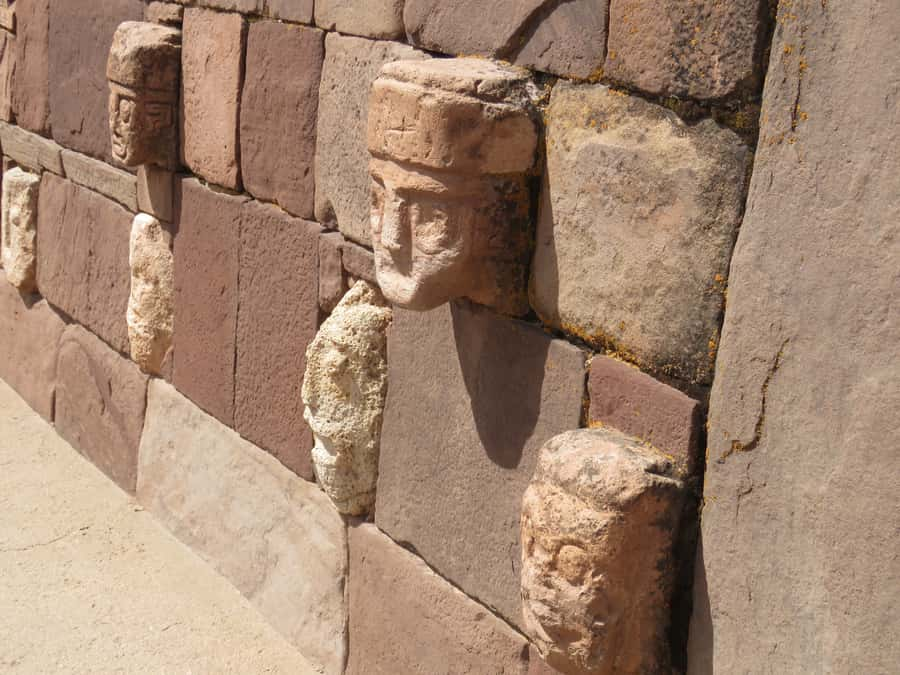
In the ceramic collection, look for the shapes, decoration, and practical objects that show how people worked with clay. The lithic displays shift your attention to stone carving and construction. After seeing those collections, the blocks at the outdoor site become easier to appreciate as planned architectural pieces rather than random piles of masonry.
This museum time is especially useful if you are new to Andean archaeology. The guide can place the buildings in their cultural and social setting, which is more helpful than hearing only dates and names. One guide associated with this experience, Juan, is described as explaining the period’s cultural and social background in very good English.
Guide assignments can change, so Juan may not lead every departure. Still, the stated format is a professional art historian guide in English or Spanish, and the private setup gives you a better chance to ask questions than you would have in a large group.
Walking Through Akapana and Kantatalite
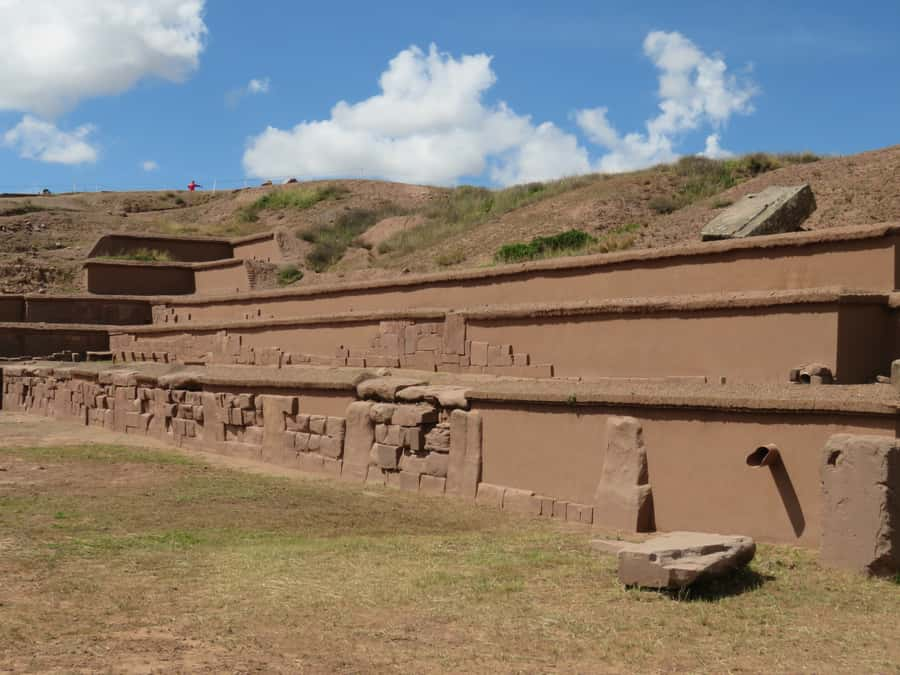
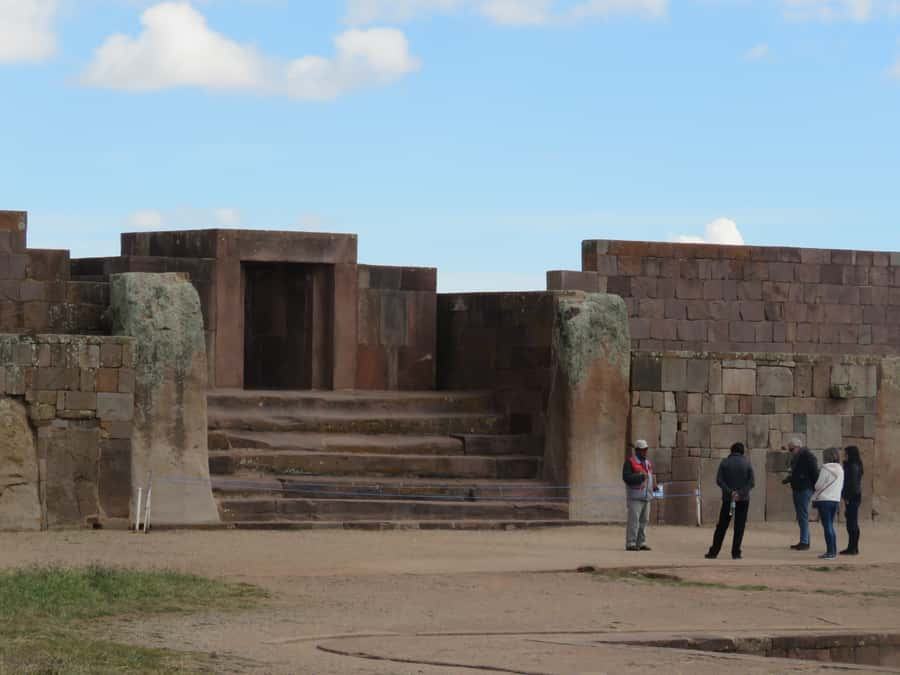
Akapana Pyramid is one of the major structures on the site. Its broad, monumental form gives you an immediate sense of the planning required to build here. Your guide can help you understand what you are looking at and point out features that are easy to miss from a casual walk.
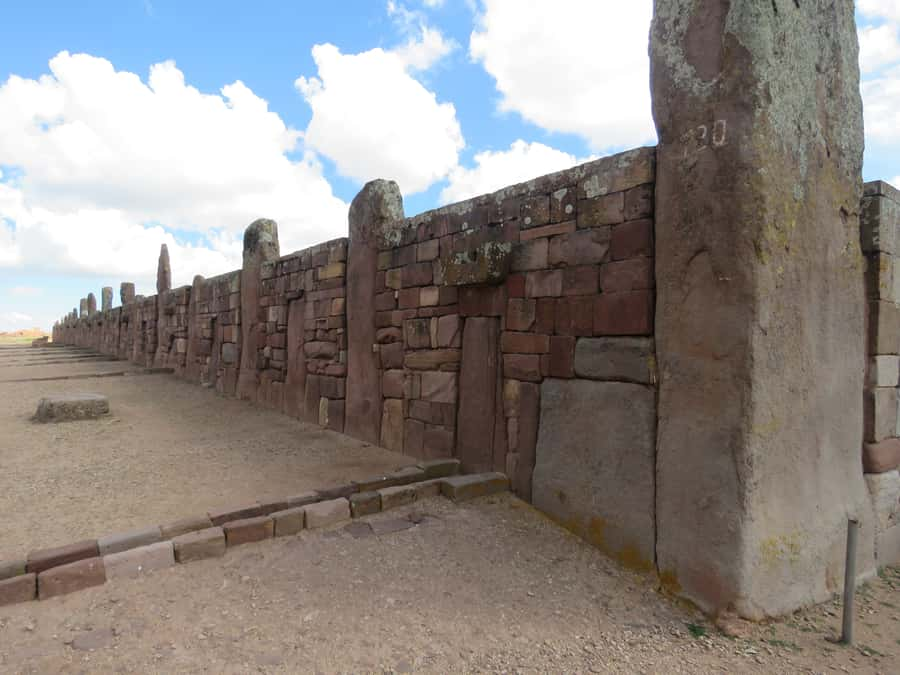
Kantatalite adds another layer to the visit, with carved stonework that rewards a slower look. This is where comfortable shoes matter. The tour is not described as strenuous, but you will be walking between several archaeological areas, and the highland sun can be strong even when the air feels cool.
Wear light clothing, but bring protection from the sun. Sunglasses, a hat, and sunscreen are specifically recommended. Extra camera batteries are also sensible because the site includes broad views, carved details, and several separate structures.
The Semi-Subterranean Temple and Kalasasaya
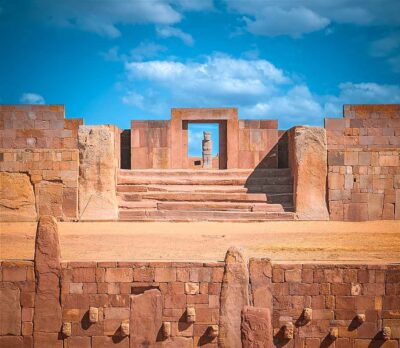
The semi-subterranean temple is one of the more distinctive stops because its design changes your viewpoint. Instead of looking up at a high structure, you look down into a space set below the surrounding level. The setting helps show that Tiwanaku’s builders used more than one architectural idea across the site.
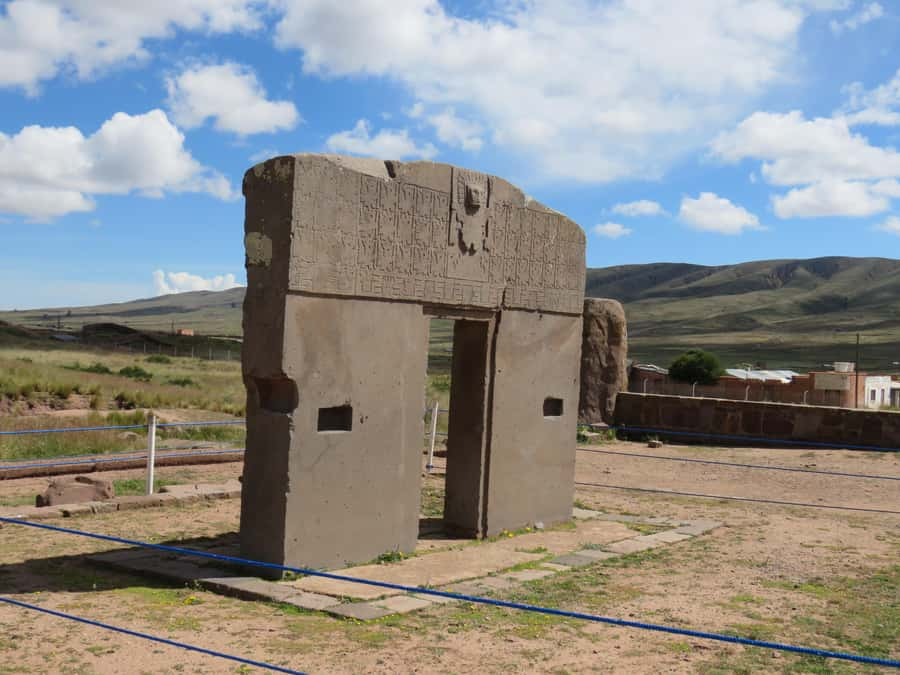
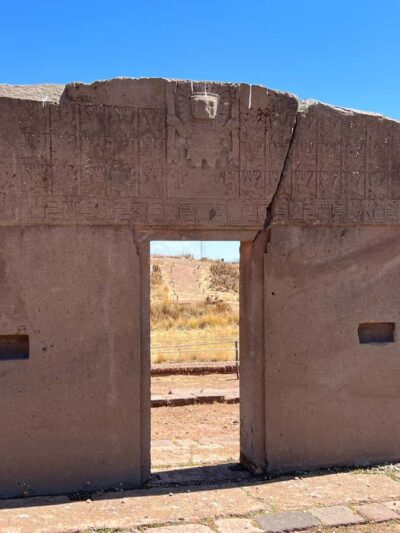
Kalasasaya is another central stop. It includes the Sun Gate, often called Puerta del Sol, which is one of the most recognizable pieces of Tiwanaku stonework. The gate is important not only as a photo stop, but also as a reminder that carved monuments carried meaning beyond their practical use.
This is where a guide’s explanation earns its keep. The site has enough names and architectural remains to become confusing. A good explanation connects the Sun Gate, the temple area, and the wider settlement so you do not spend the day trying to remember which structure is which.
Take time with the carved surfaces. The construction methods still raise questions, and the precision of the builders is one of the site’s lasting points of interest. You do not need to agree with every theory about how the stones were moved or shaped. It is enough to notice the skill involved and ask your guide what is known, what is debated, and what remains uncertain.
A few more La Paz days to weigh up
- La Paz and El Alto: Cable Car Rides and Walking Tour
★ 4.8 · 790 reviews - La Paz Half-Day Walking Tour
★ 4.8 · 591 reviews - La Paz: Private City Tour with Cable Car & Moon Valley Visit
★ 4.9 · 508 reviews - La Paz: Full Day Trip to Copacabana and Isla del Sol
★ 4.5 · 400 reviews
Putuni, the Moon Gate, and Pumapunku
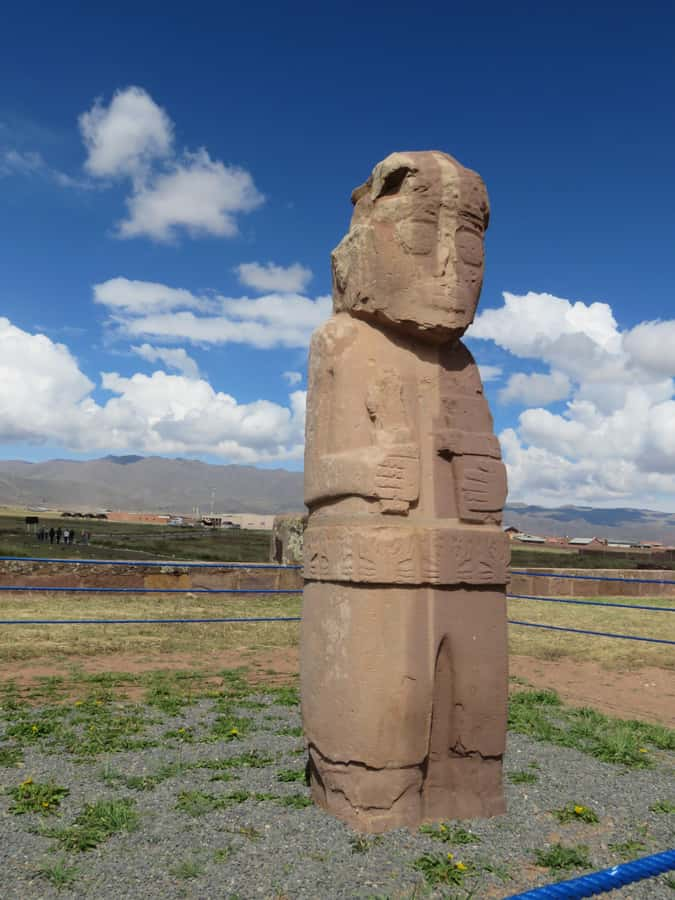
Putuni temple and the Moon Gate extend the visit beyond the most famous monument. These stops are useful because they show that Tiwanaku was not just one pyramid and one carved gate. It was a planned ceremonial and urban center with several connected areas.
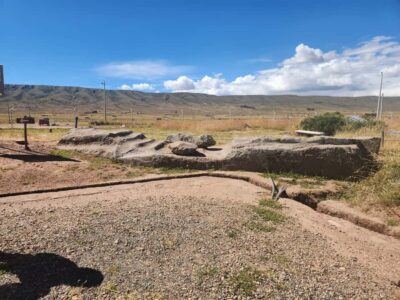
Pumapunku Pyramid is likely to be a highlight for anyone interested in ancient construction. The large stone blocks and precise joins invite close inspection. The site can leave you wondering how its builders organized labor, transported materials, and achieved such careful cuts with the tools available to them.
That sense of mystery is part of the appeal, but keep your expectations in check. This tour gives you a guided archaeological visit, not a technical excavation or a specialist research seminar. You will receive historical and cultural explanations, see the main structures, and have time to ask questions, but the exact level of detail depends on your guide and your interests.
The private format helps here. If you want to spend longer at Pumapunku or ask about the stonework, you can direct the conversation more easily than in a fixed group. If you prefer a quick overview, your guide can keep the walk moving.
Lunch With a Taste of the Region
After about two hours at the museums and ruins, you stop for lunch. The meal and snacks are included, along with bottled water, so you do not need to plan a separate restaurant stop.
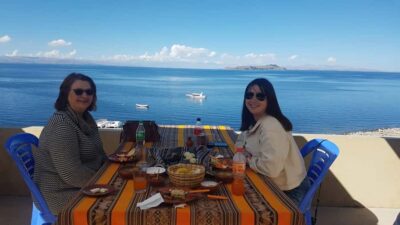
The food is described as local, and one menu experience included llama meat. Llama is often compared with veal in flavor and texture. If that dish is available on your departure, it gives you a chance to try something tied to the region rather than relying on familiar international food.
Lunch is more than a practical pause. The archaeological site can be a lot to take in, and sitting down gives you time to sort out what you have seen. Ask your guide about the buildings, the culture, or the communities around Tiwanaku while the morning is still fresh.
The exact menu is not specified, so do not book this expecting a particular dish. The useful promise is a local lunch, not a guaranteed llama meal.
What the $158 Price Covers
At $158 per person, this is not the cheapest way to reach Tiwanaku. You are paying for a private experience rather than basic shared transport, and the price includes hotel pickup and drop-off, private transportation, entrance fees, lunch, snacks, bottled water, and a professional guide.
That package can be good value if you want a full day arranged for you. You avoid piecing together transport, admission, food, and a guide on your own. The English-speaking art historian guide is the main reason to choose this over simply reaching the ruins independently.
Value depends on group size. A solo visitor or couple pays more per person for privacy, while a small group can spread the cost across several people. If you mainly want a cheap ride to Tiwanaku, a public or shared option may suit you better. If you want comfort, a set schedule, and detailed explanations, the price is easier to justify.
The tour also includes skip-the-ticket-line access. That can save time at a busy entrance, though the length of any line will vary by day. Travel insurance and souvenir photos are not included, so arrange insurance separately if you want it and budget extra for photos or purchases.
Who Will Enjoy This Private Tiwanaku Tour
I would choose this experience if you want archaeology explained in English and prefer not to manage the day yourself. It suits couples, families, friends, and small private groups who value their own vehicle and the ability to ask questions.
It is also a strong fit for anyone interested in ancient engineering, carved stone, ceramics, or Andean social history. The museums and outdoor ruins work well together, and the guide can connect the objects with the buildings.
You should think twice if you want a short visit or if long drives wear you down. The trip takes eight hours, with about four hours on the road. The walking portion is manageable in principle, but you still need comfortable shoes, sun protection, and enough energy for several archaeological areas.
The site is not presented as an adventure excursion. There is no hiking program, special climbing activity, or long free period in the village. This is a focused cultural day trip with transport, guided sightseeing, and lunch.
Practical Advice Before You Go
Wear comfortable walking shoes. Pack sunglasses, a sun hat, sunscreen, and light clothing, as the highland sun can be intense. Bring your passport or identity card, and carry extra camera batteries if photography matters to you.
Keep water with you even though bottled water is included. The open setting can feel exposed, and a hat is more useful than you may expect. Plan to keep your camera ready during the drive as well, since the route includes Andean views, animals, and plant life.
The tour offers free cancellation up to 24 hours before departure and a reserve-now, pay-later option. Starting times vary, so check availability when choosing your date. Pickup is from your hotel in La Paz.
Spanish and English are available. If you need English, select that option clearly at booking and confirm the language if the reservation process allows it.
Should You Book It?
Book this private Tiwanaku tour if you want the ruins explained properly, prefer hotel pickup, and value a private vehicle over the lowest possible price. The combination of museums, major structures, a local lunch, and a professional guide makes the long drive worthwhile for people with a real interest in archaeology and Andean culture.
Skip it if you have only a short stay in La Paz, dislike spending four hours on the road, or want a budget transfer rather than a guided day. For most curious visitors who can spare eight hours, this is a practical and well-rounded way to see Tiwanaku, with the comfort and personal attention that make the distance easier to accept.
FAQ
How long does the Tiwanaku tour take?
The tour lasts eight hours. The drive from La Paz to Tiwanaku takes about two hours, the guided archaeological visit takes about two hours, and the remaining time covers lunch and the return journey.
Does the tour include hotel pickup in La Paz?
Yes. Pickup and drop-off at your hotel in La Paz are included.
Is transportation private?
Yes. The tour uses private transportation in a comfortable, fully equipped private vehicle, and the group is private.
Is an English-speaking guide available?
Yes. Live guiding is available in English and Spanish. The tour includes a professional art historian guide.
Are entrance fees and lunch included?
Yes. Entrance fees, lunch, snacks, and bottled water are included. Souvenir photos and travel insurance are not included.
What should I bring?
Bring your passport or identity card, comfortable walking shoes, sunglasses, a sun hat, sunscreen, light clothing, and extra camera batteries if needed.
Just added around La Paz
- Private Tiwanaku and Titicaca Day Trip from La Paz★ 4.8 · 3 reviews
- La Paz: Uyuni tour ending in Atacama Chile by bus.★ 3.9 · 3 reviews
- From La Paz: Lake Titicaca and Copacabana Private Tour★ 5.0 · 5 reviews
- LA PAZ: GUIDED TOUR CHACALTAYA + VALLEY OF THE MOON★ 3.6 · 3 reviews
- La Paz: The Feminist Tour★ 5.0 · 3 reviews
- Titicaca Lake: Highlights Tour from La Paz by Bus★ 4.0 · 3 reviews
- La Paz: Uyuni Salt Flats & Lagoon Share Trip (private room)★ 4.7 · 4 reviews
- From La Paz: Trip to Uyuni Salt Flats with Wine at Sunset★ 4.4 · 4 reviews
Tiwanaku Ruins Tours, compared.
Private Tiwanaku and Titicaca Day Trip from La Paz
Read our review →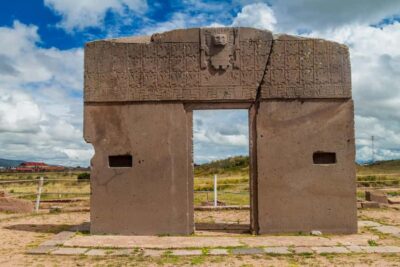

Private Tiwanaku and Titicaca Day Trip from La Paz
Read our review →Browse the lists this tour appears in