
Reviewed · TIWANAKU RUINS TOURS
Tiwanaku; Pre Incan Ruins Tours from La Paz
Tiwanaku is the kind of archaeological site that makes you stop and look twice. Huge stone blocks fit with startling precision, carved gateways carry symbols whose meaning is still debated, and the high-altitude setting gives the ruins a spare, otherworldly feel. I like that this tour covers both the main ruins and the museums, and I like that the shared price of $23 keeps the day within reach for budget-minded visitors.
The main caution is that the low price does not include the entrance fee, lunch, snacks, or drinks. One recent booking also reported paying about 140 Bolivianos in additional fees, before any tip, so ask clearly what you will owe before the bus leaves. The day lasts 510 minutes, with roughly four hours on the road and plenty of outdoor walking.
Key points at a glance
- Pumapunku’s precision stonework: See the cut and fitted blocks that made Tiwanaku famous among students of ancient Andean architecture.
- The Sun Gate: Examine a single carved stone gateway decorated with a striking central figure and rows of smaller designs.
- Kalasasaya Temple: Walk through the Temple of the Standing Stones and consider how its stones framed ceremonial space.
- Two museums on site: The Ceramic Museum and Lithic Museum add context that the open-air ruins cannot provide.
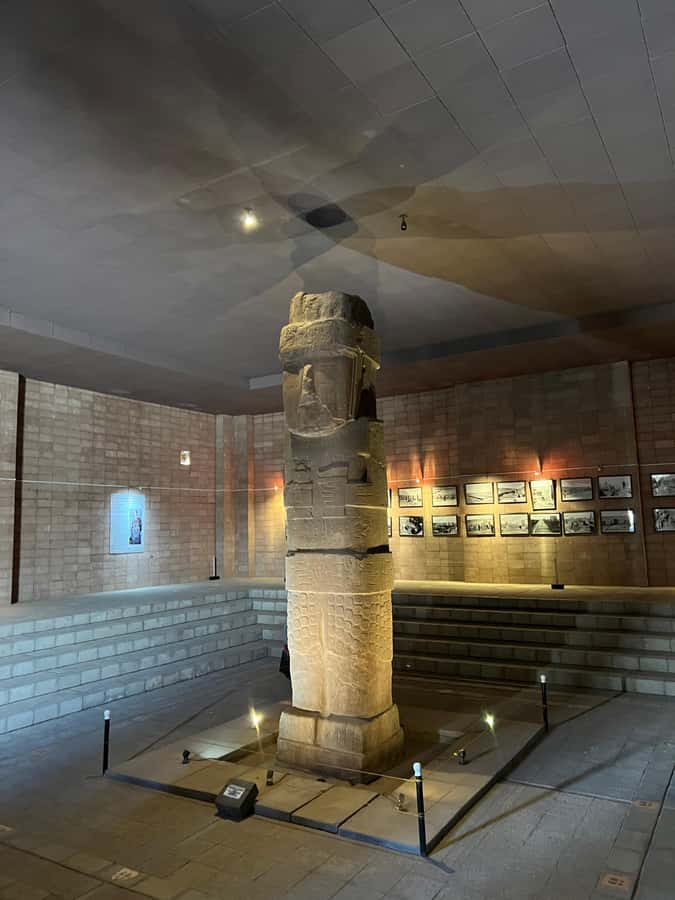
- The Bennett Monolith: The Lithic Museum houses one of Tiwanaku’s best-known carved stone figures.
- A full day from central La Paz: Transport, a bilingual guide, ruins, and museums are included, but admission and food are extra.
Why Tiwanaku deserves a full day from La Paz
Tiwanaku, also written Tiahuanaco, lies near the southeastern shore of Lake Titicaca, around two hours from La Paz by coach. It is one of the major pre-Columbian archaeological sites in South America and a UNESCO World Heritage site.
The civilization that grew here adapted to the difficult Andean highlands with raised fields and terraces. Those farming methods helped support a large society in a place where altitude, cold, and limited growing conditions made food production hard.
You do not need to be an archaeology specialist to enjoy the site. The appeal is easy to grasp: massive stones, unusual carvings, broad ceremonial spaces, and a culture that influenced a wide area around Lake Titicaca and the southern Andes.
I find Tiwanaku especially useful for putting later Andean history into perspective. It predates the Inca, and its art and building methods show that complex societies flourished in the highlands long before the Inca Empire took shape.
The site’s original purpose is not fully settled, and the reasons for its decline remain subjects of study. That uncertainty gives the visit some of its appeal, but it also means you should expect interpretation rather than a neat answer to every question.
More Tiwanaku ruins days from La Paz:
- Private Tiwanaku and Titicaca Day Trip from La Paz
★ 4.5 · 62 reviews - La Paz: Tiwanaku Archeological Site Full-Day Tour
★ 4.2 · 34 reviews - From La Paz: Tiwanaku and Lake Titicaca One-Day Tour
★ 4.7 · 17 reviews
Leaving Hotel Sagarnaga for the highlands
The tour begins near Hotel Sagarnaga in central La Paz. The agency office is next to the hotel, and you can wait at the office or in the hotel lobby until departure.
Transport is shared, so this is not a private sightseeing day. That keeps the cost down, but it also means you should expect the pace and seating arrangements of a group excursion.
The coach ride takes about two hours each way. That is a large part of a 510-minute outing, yet it is also necessary: Tiwanaku is far enough from La Paz that a quick visit would leave you rushing through the ruins.
Use the ride to rest and watch the change from La Paz toward the open highland setting around Tiwanaku. The itinerary provides no special stop along the way, so bring anything you need for the road, especially water and a small snack.
The Ceramic Museum and Lithic Museum
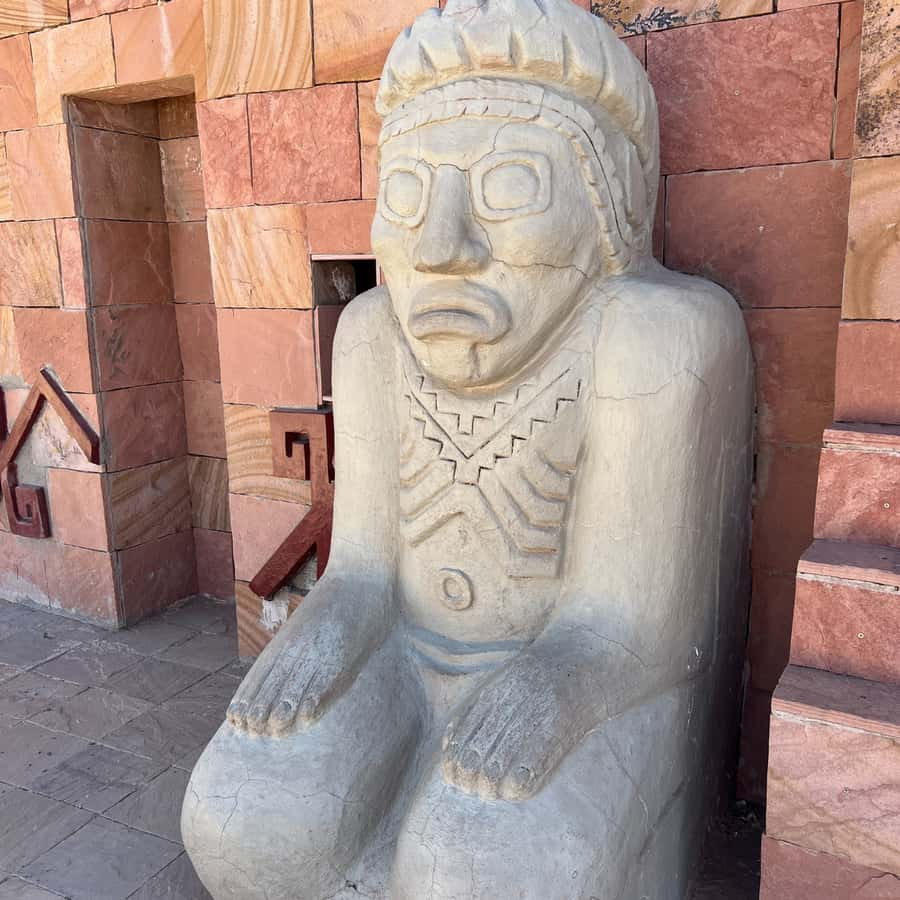
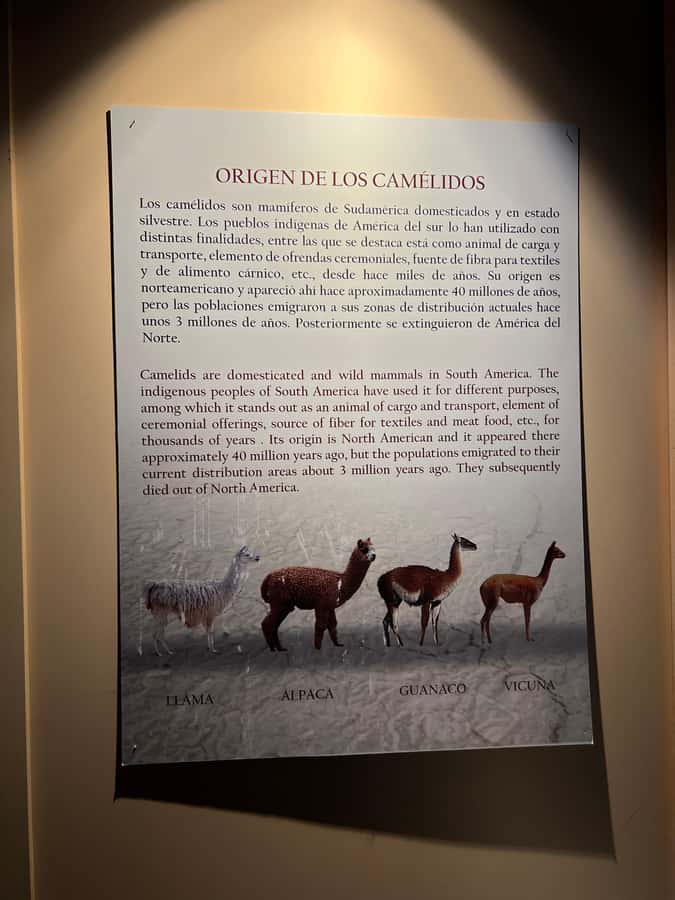
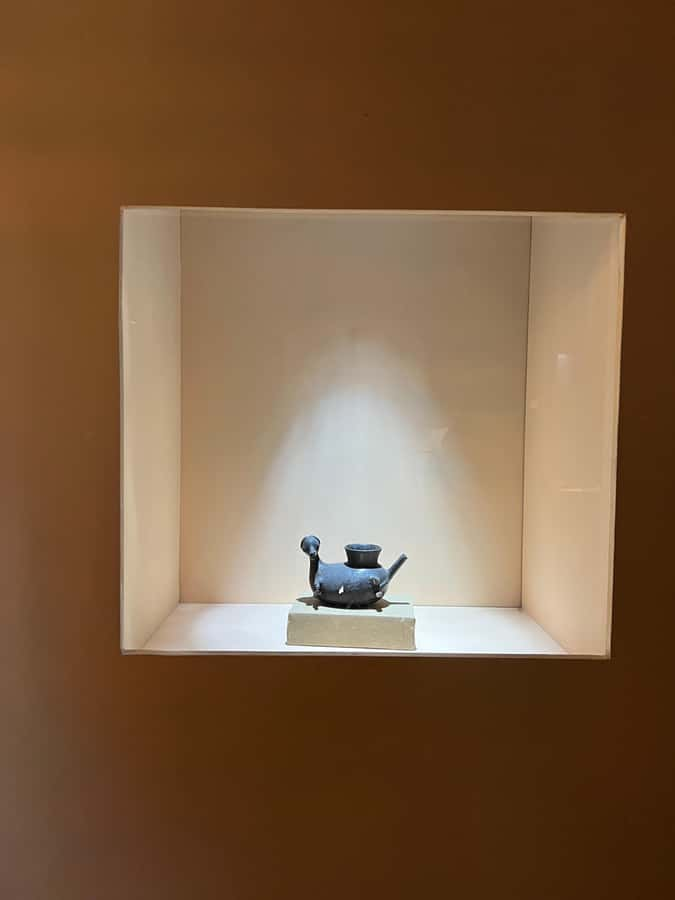
The museums help you read the ruins. Without them, you may notice the size of the stones and the odd shapes of the carvings but miss how pottery, sculpture, and symbols fit into the wider culture.
The Ceramic Museum receives a short guided visit of about 15 minutes. That is not long, so think of it as an introduction rather than a full museum tour. You should have enough time to see selected objects and connect the pottery style to the culture that built Tiwanaku.
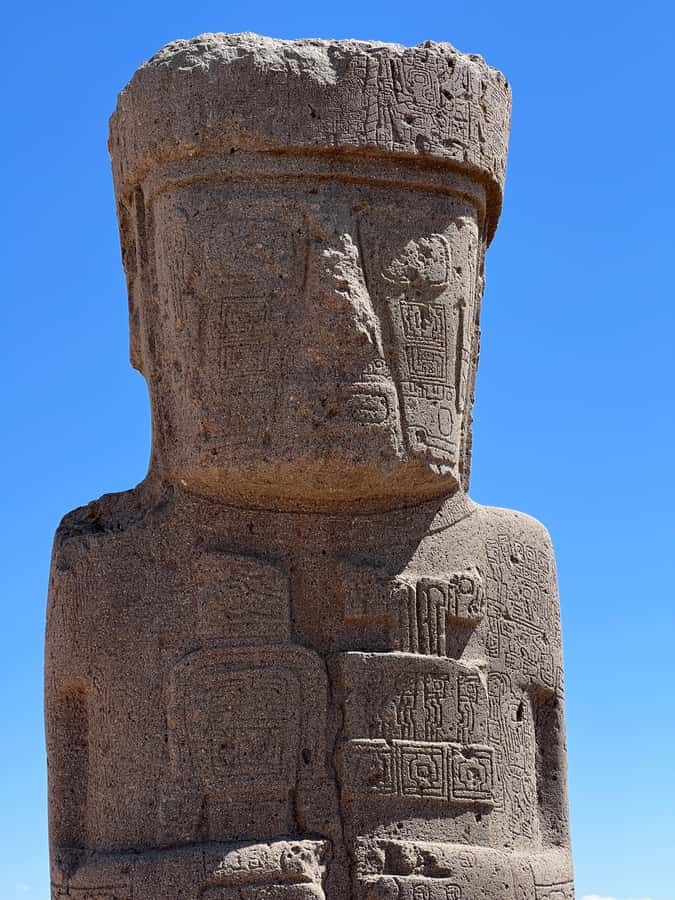
The Lithic Museum receives about 10 minutes in the listed schedule. Its major draw is the Bennett Monolith, a famous carved stone figure. The monolith gives you a closer look at the sculptural skill behind the larger building stones outside.
These museum stops are brief, but I like having them included. The outdoor ruins can feel abstract when you see them without background. Even a short museum visit gives you objects with recognizable shapes, carved details, and human scale.
The schedule lists both the Ceramic Museum and Museo del Sitio de Tiwanaku. Names can vary in English, so follow your guide’s instructions about which building you are entering and how long you have there.
The Sun Gate and its carved symbols
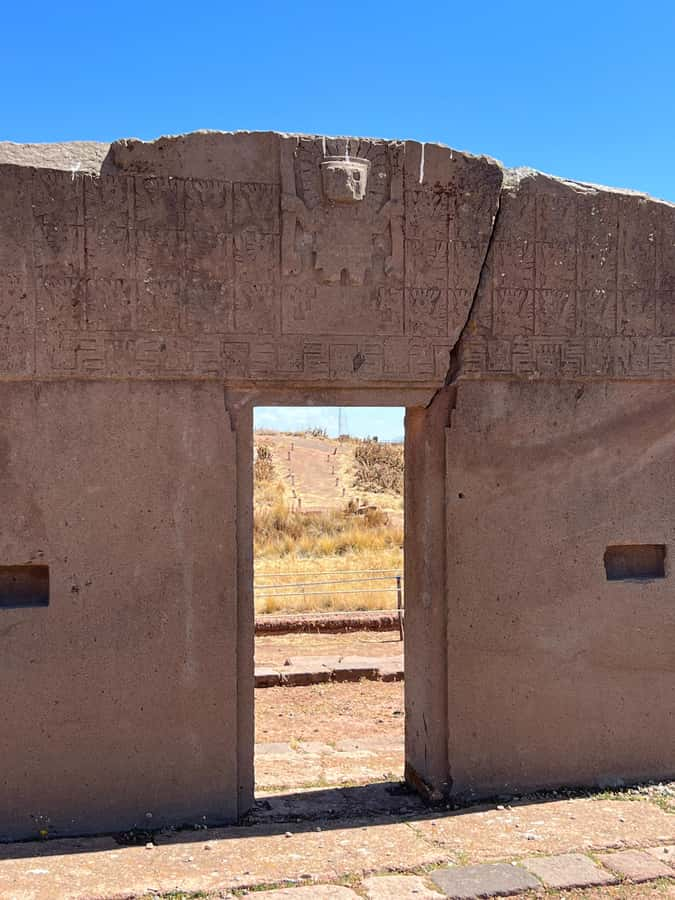
The Sun Gate, known locally as Puerta del Sol de la cultura Tiahuanaco, is one of the site’s most recognizable pieces. It is a stone gateway covered with intricate carving, including a central figure and repeated designs.
Its exact original position and use have prompted continued discussion. You do not need to settle that question to appreciate the craftsmanship. Look closely at the surface rather than only taking the standard front-facing photograph.
The Sun Gate is also a good place to listen carefully to the guide. A bilingual guide can explain the symbols in both Spanish and English, but the tour is shared, so keep near the group and ask questions when there is time.
The schedule allows about 20 minutes here. That is enough for a guided explanation and photographs, though you may wish for more time if you enjoy studying carved details.
A few more La Paz days to weigh up
- La Paz and El Alto: Cable Car Rides and Walking Tour
★ 4.8 · 790 reviews - La Paz Half-Day Walking Tour
★ 4.8 · 591 reviews - La Paz: Private City Tour with Cable Car & Moon Valley Visit
★ 4.9 · 508 reviews - La Paz: Full Day Trip to Copacabana and Isla del Sol
★ 4.5 · 400 reviews
Kalasasaya, the Temple of the Standing Stones
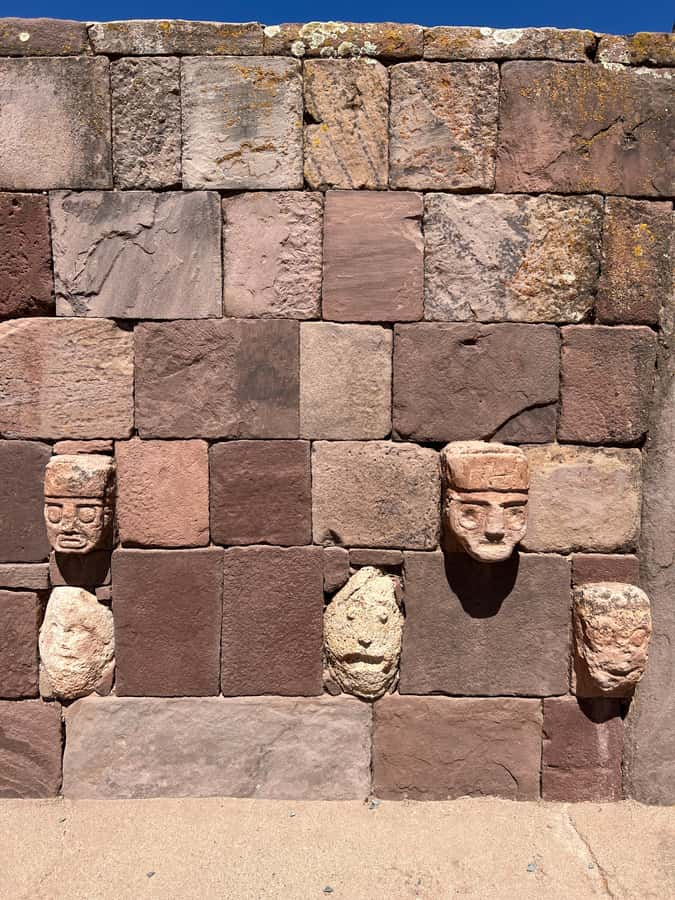
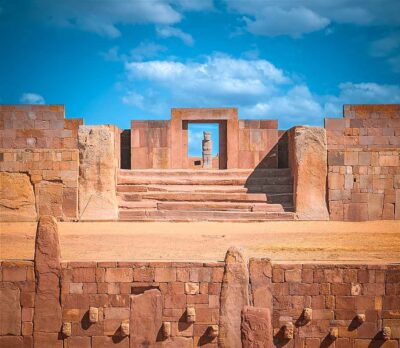
Kalasasaya means the Temple of the Standing Stones. Its upright stones define a ceremonial enclosure and give you a clear sense of how Tiwanaku’s builders used carefully placed blocks to organize space.
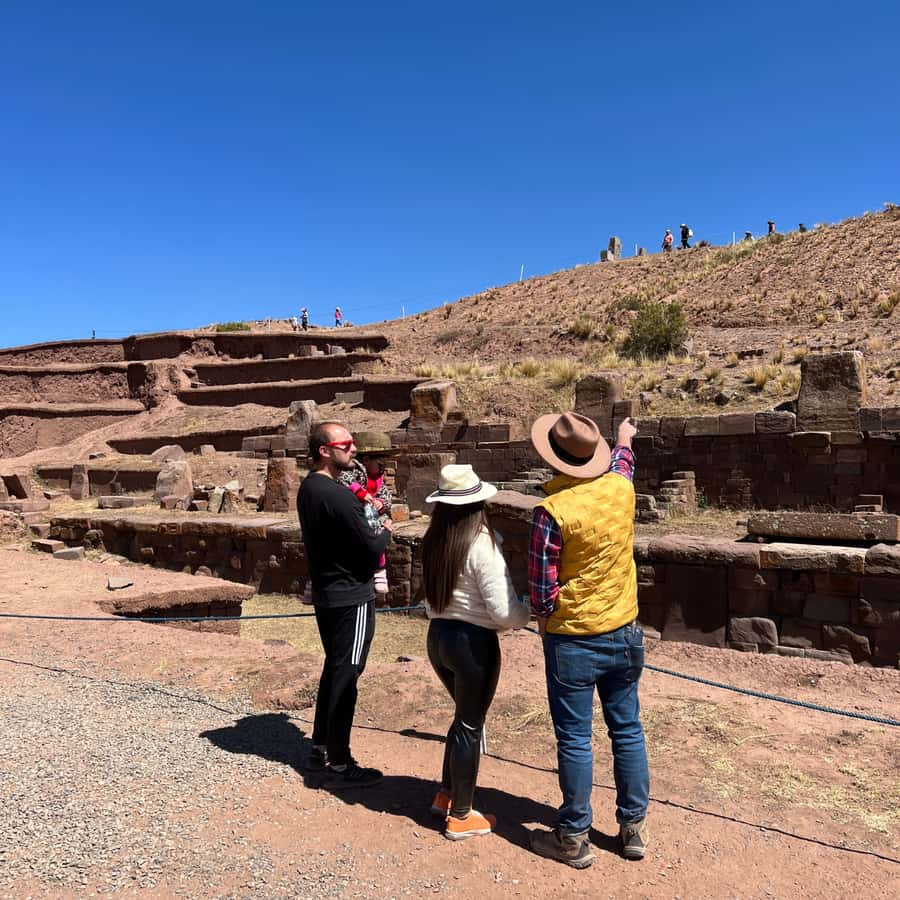
This is one of the stops where scale matters. Walk slowly along the stone lines and notice how the enclosure changes as you move through it. The site is not just a collection of isolated ruins. The arrangement of the stones helps show how people may have moved through and gathered within the area.
You will spend much of the tour outdoors here. There is little sitting time apart from the bus ride and lunch, and the itinerary calls for a lot of walking. Wear comfortable shoes, use sun protection, and carry water.
The high altitude can make an ordinary walk feel harder than expected. The supplied information does not give a specific altitude-related briefing, so plan conservatively and keep your pace comfortable.
Pumapunku and Tiwanaku’s famous stonework
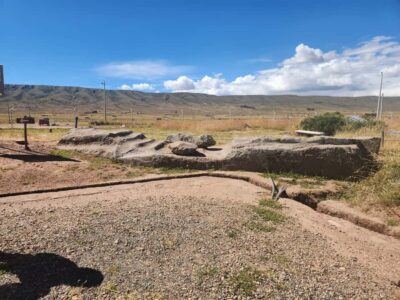
Pumapunku is the stop most likely to appeal to anyone fascinated by engineering. The site is famous for blocks cut with straight edges, angles, and recesses that fit together with great precision.
You can look for the marks of planning in the stone: repeated shapes, clean corners, and large pieces that appear designed to work as part of a system. The exact construction methods remain a subject of interest, but the visible result is enough to make this one of Tiwanaku’s strongest stops.
Be careful not to treat every modern theory about Pumapunku as established fact. The most useful approach is to separate what you can see from what remains uncertain. Ask the guide which details are supported by archaeological study and which ideas are speculation.
This is also a place where a guide adds real value. A bilingual explanation can point out features you might walk past on your own, especially when the ruins are spread over a broad area.
Akapana and the wider ceremonial area
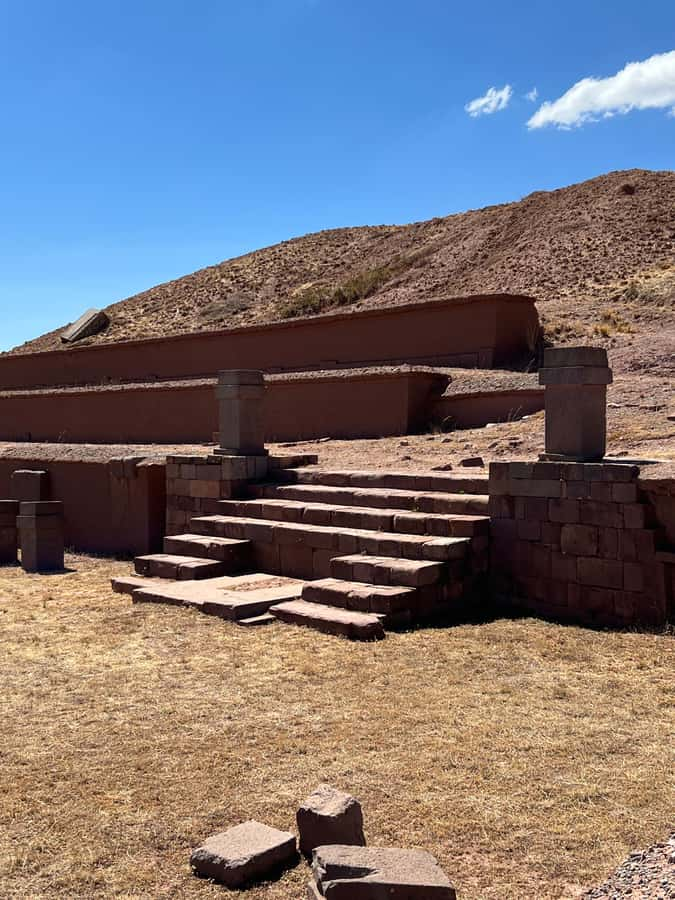
Akapana is included as a guided visit lasting about 30 minutes. It is one of the site’s major structures and helps you understand that Tiwanaku was more than a few famous stones.
The visit gives the day a broader scale. After examining gateways and carved blocks, you get a better sense of the planned ceremonial center and the work needed to build it.
The itinerary also includes another guided site visit that is not named in the supplied schedule. Your guide will direct the group during this portion of the archaeological visit.
Do not expect every structure to look complete. Archaeological sites often require imagination, and Tiwanaku is no exception. The value comes from combining the remaining stones, the museum objects, and the guide’s explanation to form a picture of the ancient center.
What the bilingual guide adds
The tour includes a shared guide in English and Spanish. No guide’s name is provided, so you should not book this expecting a particular guide.
The best use of the guide is interpretation. The ruins have enough visual impact to entertain you for a while, but the cultural context explains why the site matters. Raised fields, terraces, stone carving, pottery, and regional influence all become easier to connect when someone explains them on location.
The language arrangement can affect the pace. Information may be delivered in both languages, and a shared group can include people with different questions and interests. Stay close enough to hear, especially at Pumapunku and the Sun Gate.
One specific caution deserves attention. A recent booking reported that the guide discussed tipping before the tour began and presented it as customary. Tipping expectations can vary, but you should feel free to ask about costs and tipping plainly before departure. The tour price is low enough that surprise charges matter.
Is $23 good value?
At $23 per person, the tour is priced for convenience and access rather than luxury. Shared transport, a bilingual guide, the archaeological visit, and museum visits are included.
The price does not include the entrance fee, lunch, snacks, or beverages. One booking reported additional fees totaling about 140 Bolivianos, excluding a tip. Treat that as a warning to confirm the current entrance and extra charges before you commit to the day.
Even with added costs, the package can make sense if you want a simple way to reach Tiwanaku from La Paz. Organizing transport independently may take more time and planning, while this option gives you a set departure and return route.
The value is strongest for you if you want transport and basic interpretation without paying for a private vehicle. It is weaker if you dislike group tours, want long unstructured time at each ruin, or expect every cost to be included in the advertised price.
Lunch is not included. The schedule allows time for lunch, but the supplied details do not identify a restaurant or explain whether the stop is included in the guided portion. Bring a snack and money for food and drinks.
Walking, clothing, and practical preparation
This is an outdoor walking tour with very little sitting apart from the coach ride and lunch. Comfortable shoes are essential, not optional.
Bring a passport or ID card. The tour information specifically asks you to carry one, so do not leave it at your hotel.
You should also prepare for a long day. The listed duration is 510 minutes, and the round-trip drive takes about four hours. The archaeological visit and museum stops fill the rest of the day with walking and standing.
A small day bag is useful for water, snacks, and personal items. Only the passport or ID card and comfortable shoes are specifically required, so avoid assuming that special equipment or meals are supplied.
Cancellation is flexible up to 24 hours before departure for a full refund, and you can reserve now and pay later. Check the available starting time when booking because the exact departure time is not stated here.
Who should book this Tiwanaku tour?
I would choose this tour if you are staying in La Paz and want to see one of Bolivia’s major archaeological sites without arranging transport yourself.
It suits first-time visitors who want a guide to explain the main areas, budget-conscious travelers who accept shared transport, and anyone interested in pre-Inca Andean culture, stonework, and ancient agriculture.
It is less suitable if you need a private schedule or prefer a slow, highly detailed museum visit. The Ceramic Museum and Lithic Museum receive short scheduled visits, and the entire day has a fixed rhythm.
Families and older visitors should think about the amount of walking and the limited sitting time. The information does not describe accessibility arrangements, so contact the operator directly if you need specific support.
Should you book it?
Book this tour if Pumapunku, the Sun Gate, and Kalasasaya are high on your Bolivia list and you value a low-cost route from La Paz. The combination of ruins, museums, shared transport, and bilingual guidance gives you a useful first look at Tiwanaku.
Before paying, confirm the entrance fee and any other charges, especially after the report of roughly 140 Bolivianos in added fees. Bring water, a snack, comfortable shoes, and your passport or ID card.
If you want the easiest budget option and can accept a long shared day, this is a sensible choice. If you want complete price clarity, a private pace, or extended time at each monument, compare it with a tour that includes admission and lunch.
FAQ
Where does the tour start?
It starts near Hotel Sagarnaga in La Paz. The travel agency office is next to the hotel, and you can wait at the office or in the hotel lobby before departure.
How long does the Tiwanaku tour last?
The listed duration is 510 minutes. The coach ride takes about two hours each way.
Which languages does the guide speak?
The shared live guide speaks English and Spanish.
Are entrance fees included?
No. Entrance fees are not included in the tour price.
Is lunch included?
No. Lunch, snacks, and beverages are not included.
What should I bring?
Bring comfortable shoes and a passport or ID card. You should also plan for substantial outdoor walking and bring money for food, drinks, entrance fees, and any additional charges.
Just added around La Paz
- Private Tour of Tiwanaku Ruins from La Paz★ 5.0 · 3 reviews
- Private Tiwanaku and Titicaca Day Trip from La Paz★ 4.8 · 3 reviews
- La Paz: Uyuni tour ending in Atacama Chile by bus.★ 3.9 · 3 reviews
- From La Paz: Lake Titicaca and Copacabana Private Tour★ 5.0 · 5 reviews
- LA PAZ: GUIDED TOUR CHACALTAYA + VALLEY OF THE MOON★ 3.6 · 3 reviews
- La Paz: The Feminist Tour★ 5.0 · 3 reviews
- Titicaca Lake: Highlights Tour from La Paz by Bus★ 4.0 · 3 reviews
- From La Paz: Trip to Uyuni Salt Flats with Wine at Sunset★ 4.4 · 4 reviews
Tiwanaku Ruins Tours, compared.

Private Tiwanaku and Titicaca Day Trip from La Paz
Read our review →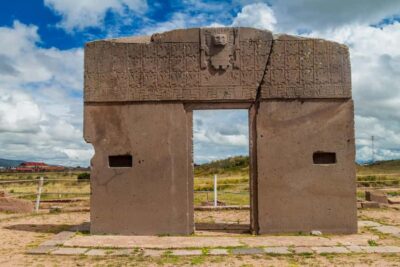

Private Tiwanaku and Titicaca Day Trip from La Paz
Read our review →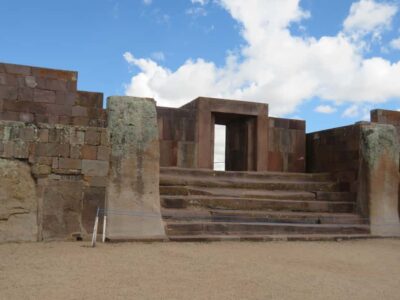
Browse the lists this tour appears in