
Reviewed · SANTA CRUZ DE LA SIERRA TOURS
Bolivia: Bolivian Wine Tasting with Charcuterie Board
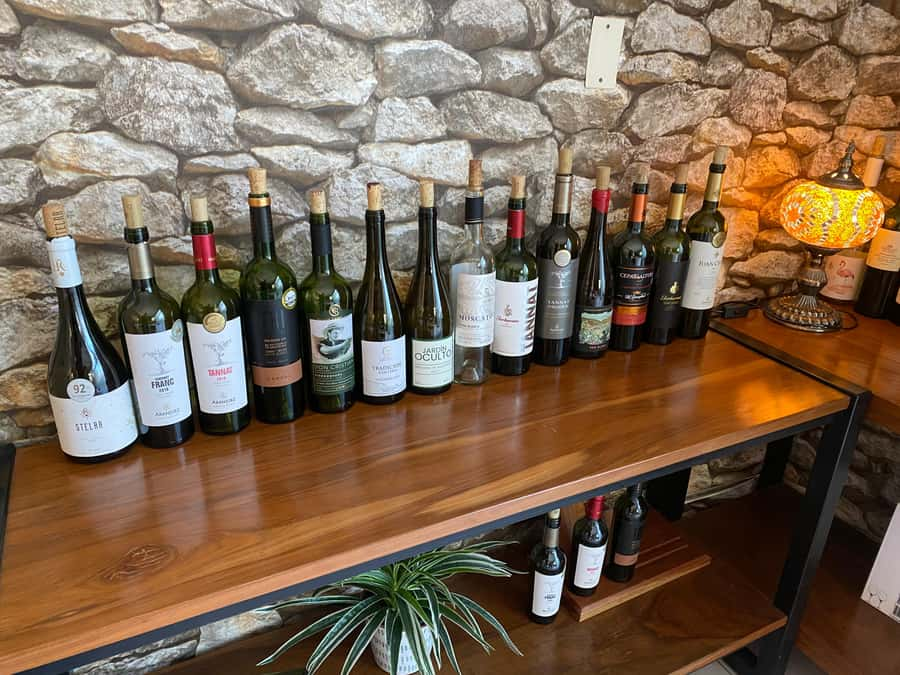
Bolivia’s wine story is the surprise here. In a private home near Santa Cruz, Guillermo guides you through four Bolivian wines, including hard-to-find heritage grapes and an internationally award-winning bottle. You get a short lesson, a careful tasting, and a chef-prepared board of local cheeses and cold cuts.
I like the small group of six and the gradual build in quality, ending with a Bolivian Tannat. I also like that this is not just a drinking session: you learn where Bolivia’s vineyards are located and how to taste each wine. The main consideration is the setting. It takes place in a private home, with no transportation included, so you need to make your own way to calle Espejos number 10.
Key points at a glance
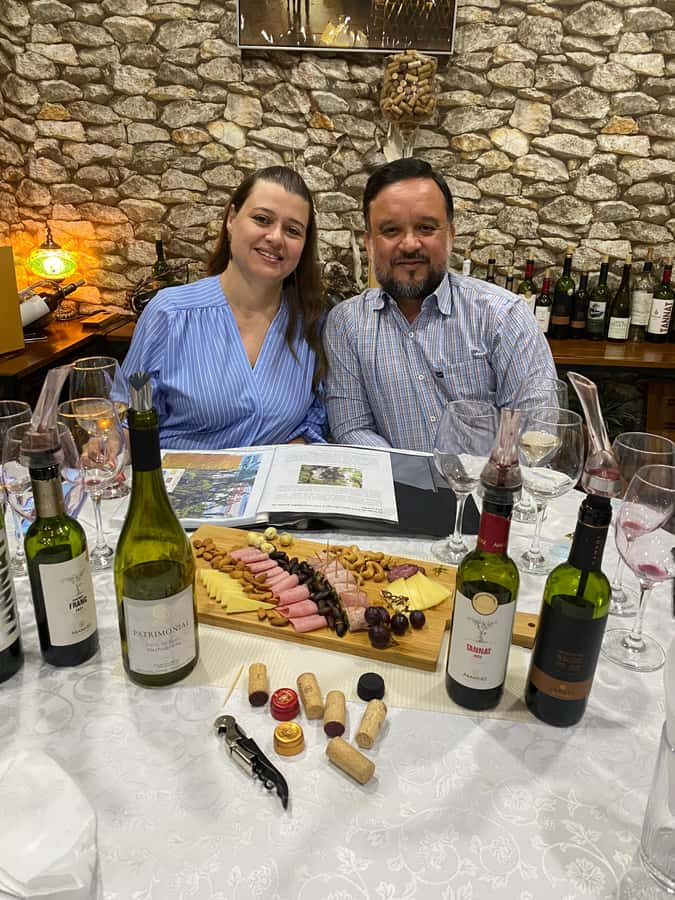
- Four wines, uncorked on site: The selection includes award-winning bottles and uncommon Bolivian heritage grapes.
- A Bolivian wine lesson: Learn about the country’s vineyard regions, grape varieties, and wine-making background before tasting.
- A chef-prepared food pairing: Local cheeses and cold cuts give you something substantial to eat while you taste.
- A final Tannat: The tasting increases in quality and finishes with one of Bolivia’s best examples of the variety.
- A six-person maximum: The small format allows for questions and personal attention from Guillermo.
- An easy Santa Cruz location: The meeting point is close to Pirai Avenue and Second Ring Avenue, but transport is not included.
Why Bolivian wine makes this tasting different
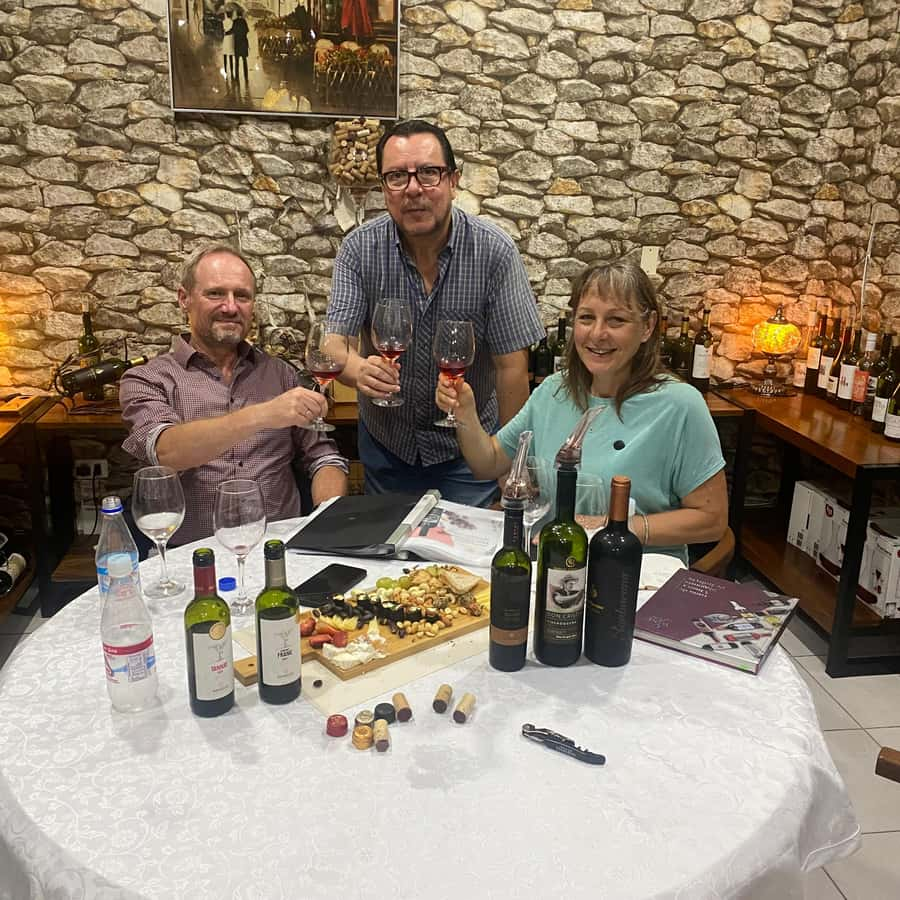
Most people do not come to Bolivia expecting a wine lesson. That is precisely why this experience works. It introduces a part of the country that can be hard to find on a standard Santa Cruz visit, especially if you want to taste smaller-production wines or grapes that rarely appear on restaurant lists.
The focus is on high-altitude and emerging Bolivian wines. The country’s vineyards are located in several regions, and the opening talk explains where they are and how those places shape the wines. You also learn about the strains, or grape varieties, you are about to taste.
That background matters. Without it, four unfamiliar bottles can blur together. With it, you have a framework for comparing the wines and understanding why Bolivian producers value certain grapes. I like this approach because it gives the tasting a local purpose instead of treating Bolivia as a place that simply copies better-known wine countries.
The selection includes heritage grapes that are difficult to find in restaurants. That makes this especially useful if you enjoy tasting regional varieties rather than ordering the same international grapes you already know. You may not find these bottles easily elsewhere during your time in Bolivia.
More Bolivia wine tastings worth an afternoon:
- From La Paz: Trip to Uyuni Salt Flats with Wine at Sunset
★ 4.4 · 4 reviews
Meeting Guillermo near Pirai Avenue
The meeting point is at calle Espejos number 10, in a white four-block building close to Pirai Avenue and Second Ring Avenue. Guillermo waits at the entrance. Since the activity takes place in a private home, you should arrive at the stated address rather than expecting a public wine bar or a commercial tasting room.
That private setting shapes the mood. The experience is designed to feel relaxed and personal, with a maximum of six participants. A small group is useful here because the session includes instruction, discussion, and questions. You are not simply handed a glass and left to compare notes on your own.
Guillermo leads the experience in Spanish or English. His enthusiasm for Bolivian wine is part of the appeal, but the practical value comes from how he connects the bottles to the country’s wine regions and grape varieties. He has a particular interest in promoting Bolivian wines, so you should expect the session to be more than a generic tasting script.
There is no transportation included. From your hotel or another part of Santa Cruz, you need to arrange your own way to the address and back. The location is close to two recognizable avenues, which helps, but confirm the meeting details before setting out.
The 15-minute introduction to Bolivian vineyards
The first formal part lasts about 15 minutes. Guillermo explains the history of wine in Bolivia, the regions where vineyards are found, and the types of grapes included in the tasting.
This is a short introduction, not a long lecture. That is a good balance for a two-hour activity. You get enough context to make the tasting meaningful without spending the evening with an untouched glass in front of you.
Pay attention to the geographic explanation. High-altitude wine is one of the main points of interest, and the location of a vineyard affects how a wine develops. The introduction also prepares you for the less familiar heritage grapes, so you can judge them as local expressions rather than comparing every bottle to a familiar supermarket wine.
I would use this time to ask about the bottles you are about to taste. With only six people, you should have a reasonable chance to ask about the grape, the region, and why each wine was chosen. The exact labels are not fixed in the information provided, so the selection may vary.
Learning the steps of a proper wine tasting
After the introduction, the tasting begins with a guided explanation of the steps used to assess wine. You are shown how to approach each glass in a more deliberate way, rather than simply taking a sip and deciding if you like it.
That can be useful even if you already drink wine. A structured tasting gives you a way to compare four bottles fairly. You can consider the appearance, aroma, flavor, and finish, then notice how each wine changes when paired with the food.
The session is described as a master class, but do not picture a formal wine-school examination. The tone is relaxed and social. It is better suited to someone who wants practical guidance and conversation than to someone seeking a technical certification.
The first wine tasting portion lasts about 30 minutes. That gives you time to begin with the opening wines before the food is served. The order is intentional: the quality builds as the evening moves forward, keeping the final pour as the main event.
More food tours in Bolivia:
- La Paz: Street Food Walking Tour
★ 3.3 · 6 reviews - La Paz: Cable Car Ride Tour with Food Tasting
★ 4.2 · 5 reviews - Uyuni: 3-Days Salt Flats and Desert Adventure Tour with Food
★ 3.8 · 4 reviews
Local cheese and cold cuts prepared by a chef
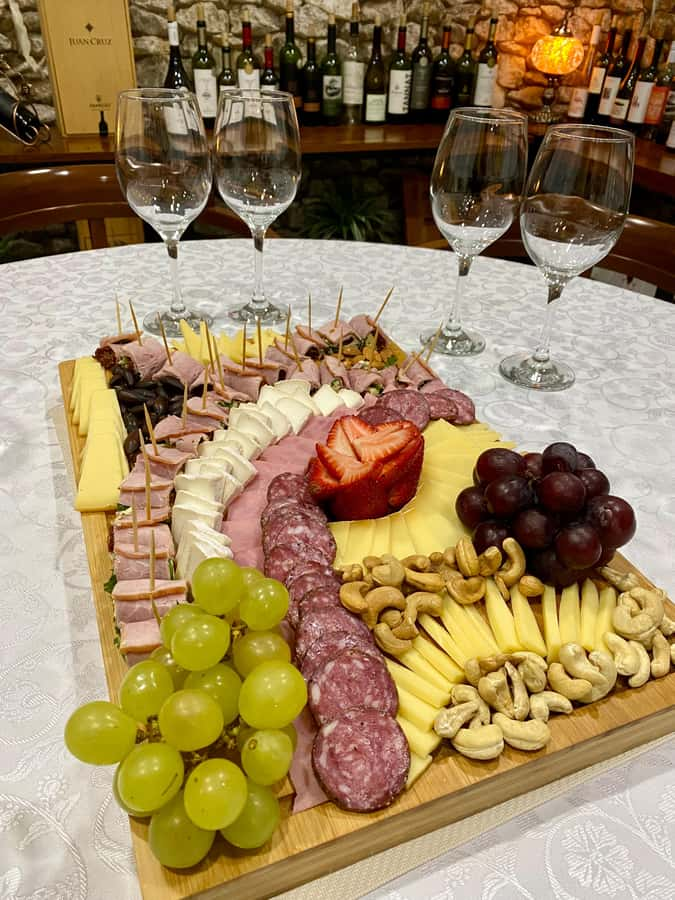
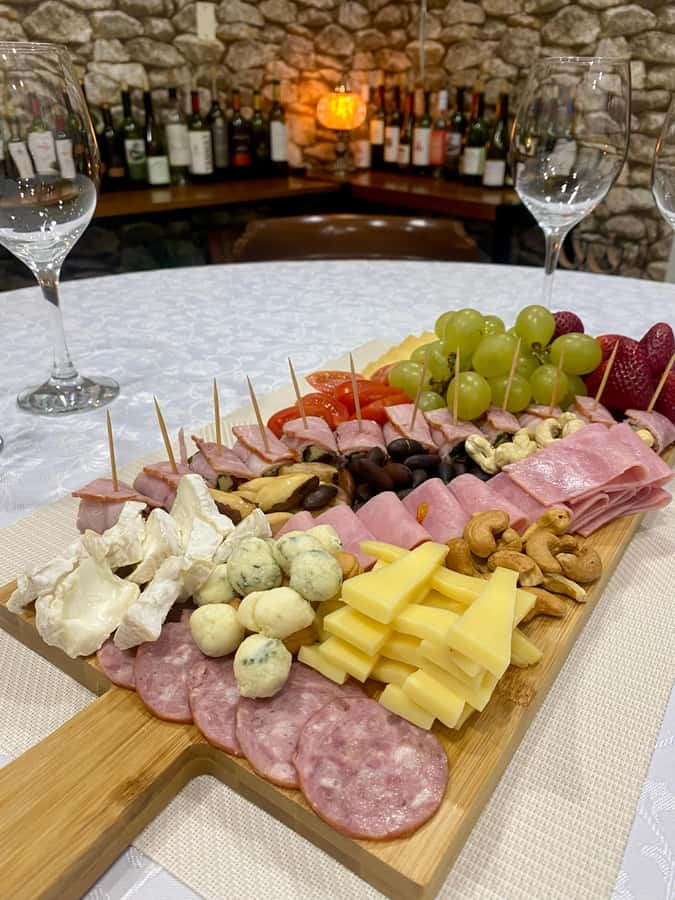
Food tasting takes about 15 minutes and centers on a charcuterie board with local cheeses and cold cuts. The board is prepared by a chef friend, which gives the pairing a more personal touch than a plate assembled from standard packaged snacks.
The food is not an afterthought. Cheese and cold cuts help you see how a wine behaves with salt, fat, and texture. A bottle that seems sharp on its own can feel rounder with food, while a fuller red may show why it was selected for a hearty pairing.
The exact contents of the board are not specified beyond local cheeses and cold cuts, so do not book this expecting a fixed menu or a full dinner. It is a substantial accompaniment to the wine, not a replacement for a restaurant meal.
I like that the food is local as well as the wine. The activity is about Bolivia as a place that produces and enjoys its own food and drink. That makes the evening feel more connected to Santa Cruz than a tasting built around imported cheese and familiar European labels.
The four-wine progression and final Tannat
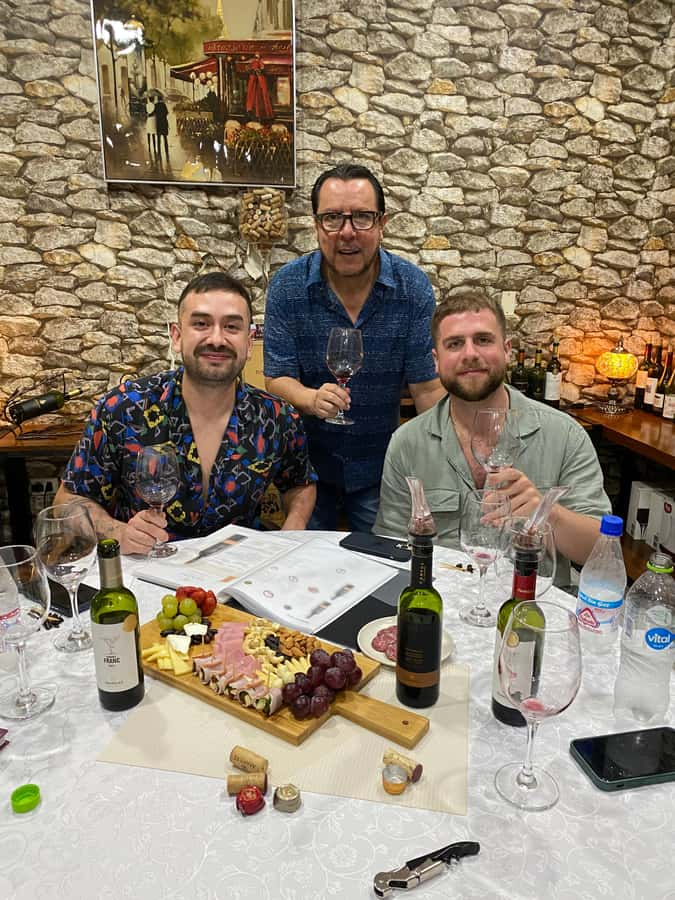
The main wine tasting takes about an hour. Four Bolivian wines are uncorked on site, and the quality rises through the selection. The final pour is one of the best Bolivian wines from the Tannat variety.
Tannat is a strong choice for a finale. It is known as a substantial red grape, so placing it at the end gives the tasting a clear finish. You should expect the later wine to feel more serious and full-bodied than the opening pours, though the exact character depends on the bottle selected.
The four wines include internationally award-winning examples, along with bottles made from heritage grapes. That combination lets you compare two sides of Bolivian wine: polished wines that have received attention beyond the country, and less common varieties that offer a more distinctive local story.
Because the wines are opened at the home, you can expect each bottle to be fresh for the group rather than poured from an already-open selection. The host can present the bottle as it is uncorked and explain its place in the evening’s order.
The selection may be particularly valuable in Santa Cruz, where you might not otherwise encounter these wines in restaurants. This does not mean every bottle will suit your personal taste. The benefit is the chance to taste a range and learn what you like before searching for Bolivian wine elsewhere.
What the two-hour schedule feels like
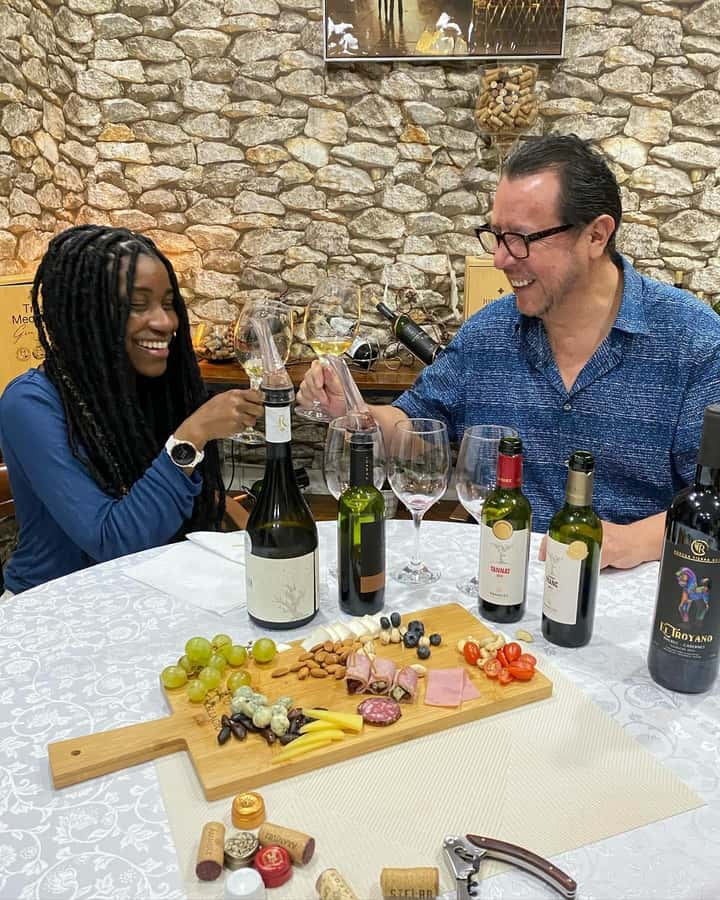
The timing is compact but sensible:
- About 15 minutes for the introduction and explanation of Bolivia’s wine regions
- About 30 minutes for the first wine tasting
- About 15 minutes for the food tasting
- About one hour for the final wine tasting and discussion
The schedule leaves little wasted time. It also means you should arrive ready to participate. This is not a drop-in tasting where you sample one glass and leave after 30 minutes.
The last hour is the heart of the activity. It allows enough time to taste all four wines, work through the tasting steps, eat from the board, and talk with Guillermo. If you enjoy asking questions, the small group should make the format more satisfying than a large commercial event.
At the same time, the private-home setting may not suit everyone. Some people prefer a purpose-built tasting room with a visible wine cellar, printed menus, and a more polished public atmosphere. Here, the attraction is the personal scale and direct conversation.
Is $49 a good value?
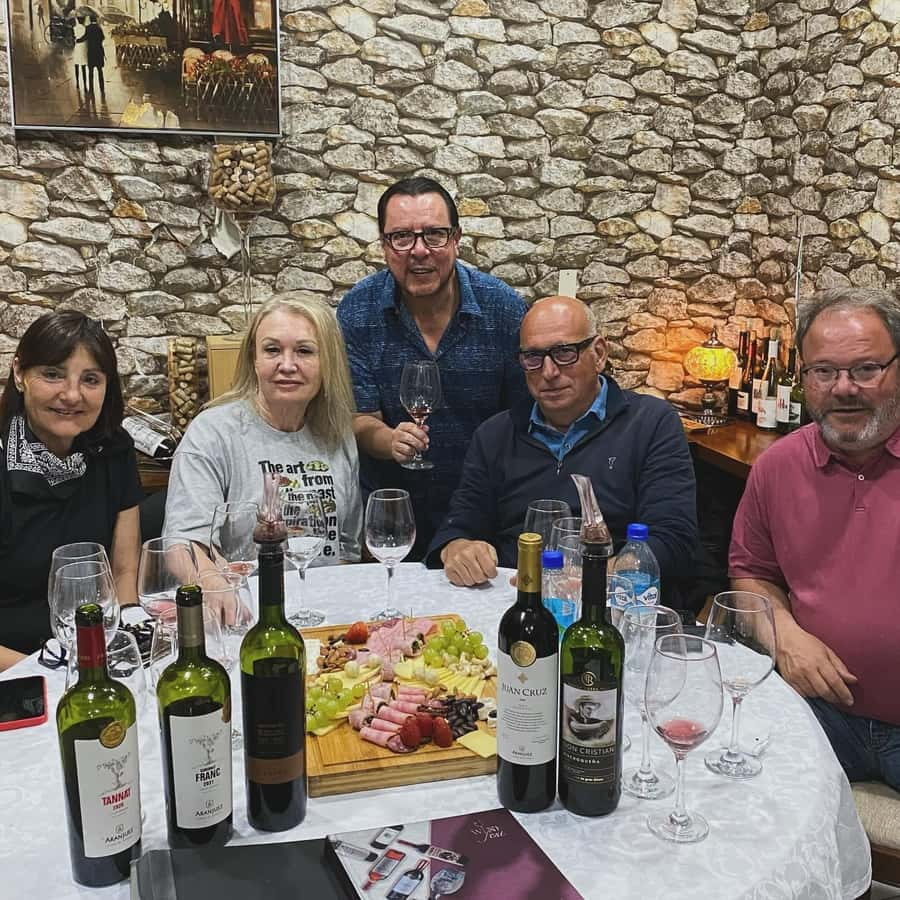
The price is $49 per person for two hours. That includes four Bolivian wines, the guided introduction, the tasting instruction, and the charcuterie board with local cheeses and cold cuts.
I consider that a fair price if you want more than four casual samples. The price covers the wines themselves, food, and a guided lesson focused on a subject you may not be able to explore easily elsewhere in Santa Cruz. The maximum group size of six also matters because you are paying for a personal session rather than a crowded standing event.
The value is weaker if you are mainly looking for a full meal or a large number of pours. The food is a tasting board, and the experience lasts two hours. You should book it for the combination of education, conversation, and unusual wines.
No transportation is included, so add the cost and time of getting to calle Espejos number 10. The meeting point is near Pirai Avenue and Second Ring Avenue, but the activity does not provide a pickup or drop-off service.
Who will enjoy this most
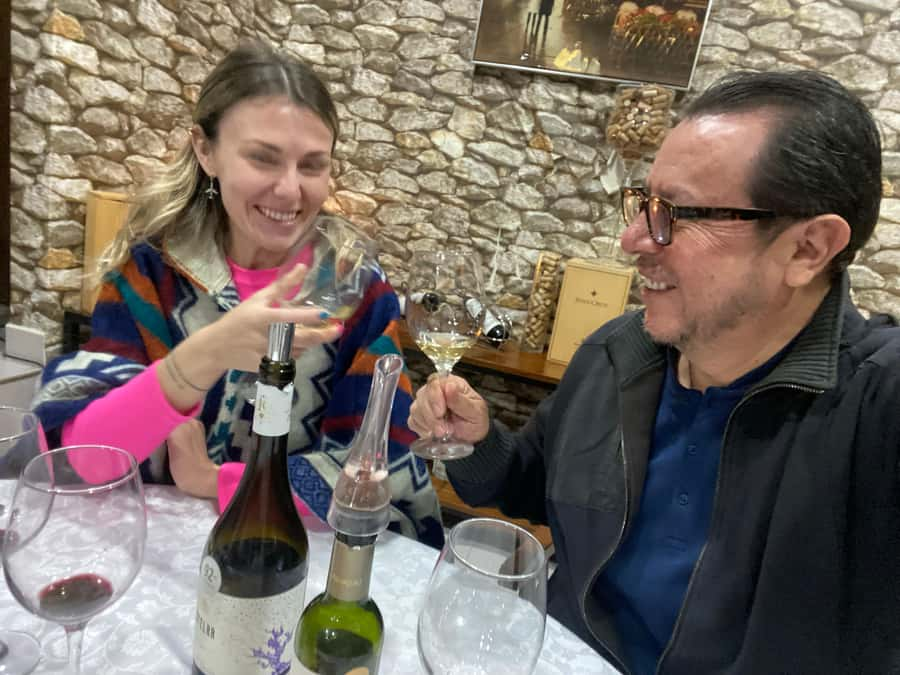
I would recommend this to adults who are curious about Bolivia beyond the usual sightseeing. It is a good match for wine drinkers, people interested in regional food, and anyone who likes small social activities with a local host.
It also suits beginners. You do not need to arrive with wine vocabulary or prior tasting experience. The guided steps give you a way to pay attention without making the evening feel stiff.
Experienced wine drinkers may enjoy it for a different reason. The heritage grapes and limited restaurant availability provide a chance to taste bottles that are not easy to find in an ordinary meal. The award-winning wines also give you a useful benchmark for Bolivian production.
The activity is not suitable for children under 18 or pregnant women. Smoking is not allowed indoors. The private-home setting is wheelchair accessible, and the experience is available in Spanish and English.
Practical details before you reserve
Bring an ID card. A copy is accepted.
The experience runs for two hours, with starting times based on availability. Cancellation is free up to 24 hours in advance, and you can reserve now and pay later if you want to keep your Santa Cruz plans flexible.
Since the address is a private home, check the meeting point carefully: calle Espejos number 10, near Pirai Avenue and Second Ring Avenue. Look for the white four-block building, where Guillermo waits at the entrance.
You should also plan how you will return after the tasting. Transportation is not included, and the activity involves four wines. Arrange your ride before you begin rather than trying to solve that detail at the end.
Should you book this Bolivian wine tasting?
Book it if you want a focused, personal introduction to a side of Bolivia that is easy to miss. The combination of heritage grapes, award-winning wines, and local food gives the evening real substance, while the small group keeps it conversational.
Skip it if you want a full dinner, a large public tasting room, or transportation from your hotel. For everyone else, $49 is a sensible price for four wines, a chef-prepared board, and two hours with Guillermo learning why Bolivian wine deserves a place on your itinerary.
FAQ
Where does the Bolivian wine tasting take place?
It takes place at a private home at calle Espejos number 10, close to Pirai Avenue and Second Ring Avenue in Santa Cruz. The building is white and four blocks in size, and Guillermo waits at the entrance.
How long does the experience last?
The experience lasts two hours. It includes a short introduction, guided wine tasting, food tasting, and a longer final wine-tasting session.
How many wines are included?
Four Bolivian wines are included. The selection includes internationally award-winning wines and wines made from Bolivian heritage grapes.
Is food included?
Yes. A charcuterie board with local cheeses and cold cuts is included. The board is prepared by a chef friend.
Is transportation included?
No. You are responsible for getting to and from the meeting point.
What languages are available?
The live guide experience is available in Spanish and English.
Who cannot take part?
The activity is not suitable for pregnant women or children under 18. Smoking is not allowed indoors.
Just added around Bolivia
- Uyuni: Classic Uyuni Salt Flats Tour + Hotel Pickup★ 3.0 · 4 reviews
- Uyuni tour express from Sucre by bus (round trip)★ 4.2 · 4 reviews
- Uyuni: Salar de Uyuni Traditional Tour+Sunset Tour★ 4.8 · 3 reviews
- UYUNI SALT FLAT: SUNRISE & STARLIGHT EXPERIENCE★ 3.1 · 3 reviews
- UYUNI SALT FLAT: SUNSET & STARLIGHT EXPERIENCE★ 5.0 · 3 reviews
- Uyuni: 3-Days Salt Flats and Desert Adventure Tour with Food★ 3.8 · 4 reviews
- Uyuni: Full-day tour, Salt flats and Sunset experience★ 4.8 · 5 reviews
- Uyuni: Salar de Uyuni and San Pedro de Atacama 3-Day Tour★ 4.2 · 4 reviews
Santa Cruz de la Sierra Tours, compared.
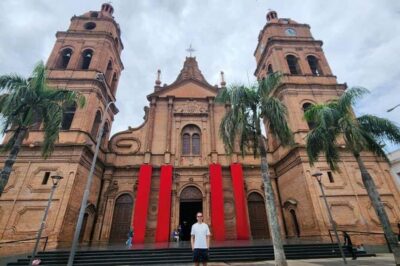
Walking tour – A journey through the History of Santa Cruz
Read our review →

Browse the lists this tour appears in